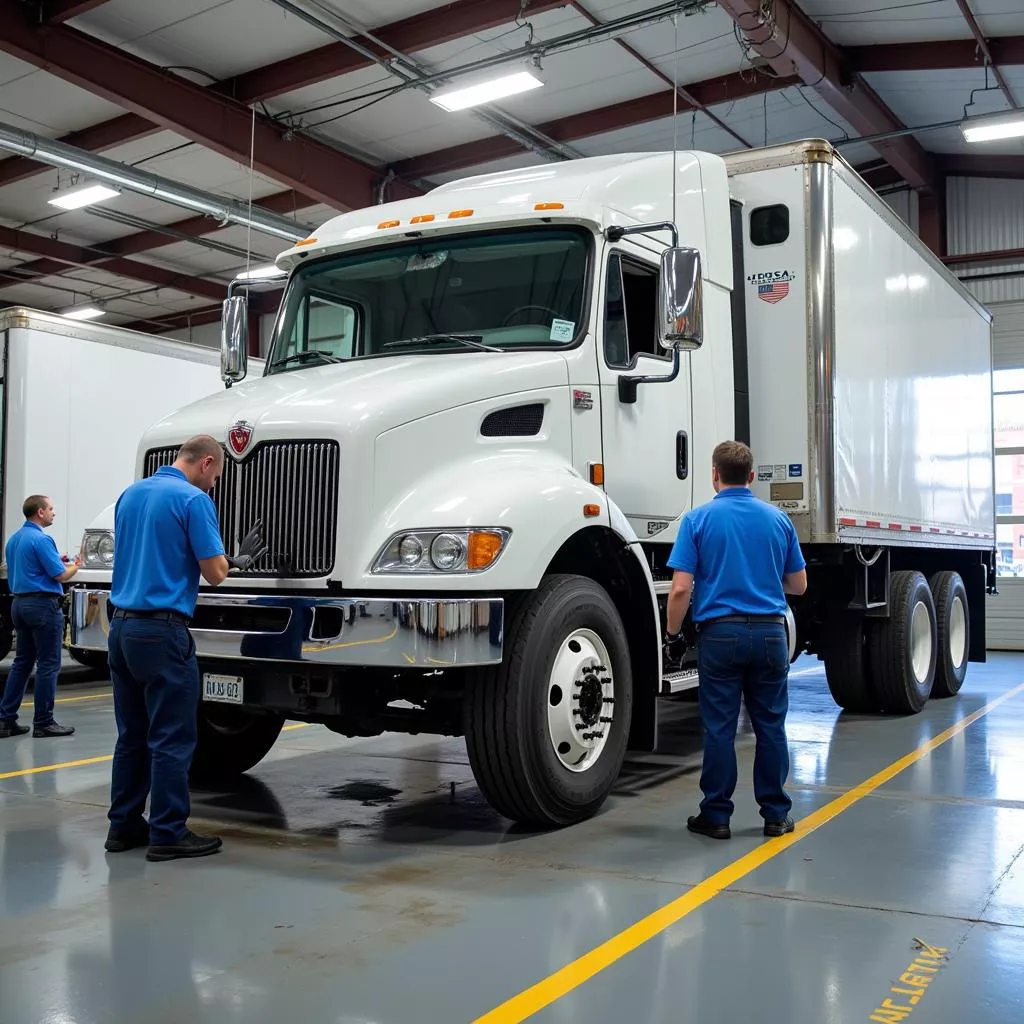
My friend, Mr. Ba, owns a 5-ton Isuzu truck used for transporting construction materials in the Ha Dong district. One day, while driving on Quang Trung Street, he was pulled over by a traffic officer. It turned out that Mr. Ba’s truck inspection had expired two months prior, which he had completely forgotten. As a result, he received a hefty fine and had to spend time and effort getting his truck re-inspected. Since then, Mr. Ba has become much more careful, always remembering the inspection schedule and thoroughly understanding vehicle inspection regulations to avoid any further trouble.
Mr. Ba’s story serves as a reminder to all drivers about the importance of understanding vehicle inspection regulations. So, what are the key points to keep in mind? Let’s delve into the details with XE TẢI HÀ NỘI!
Truck inspection
Vehicle Inspection Regulations: Overview and Recent Updates
1. What is a vehicle inspection?
A vehicle inspection is a periodic technical inspection to determine whether motor vehicles, vans, and cars in general meet the safety and environmental standards prescribed by law.
2. Purpose of vehicle inspections
The main purposes of vehicle inspections are:
- To prevent traffic accidents caused by unsafe vehicles.
- To protect the environment by limiting harmful emissions from vehicles.
- To raise awareness among vehicle owners about the importance of maintenance and upkeep.
3. Who needs to understand vehicle inspection regulations?
All owners and drivers of cars, trucks, and vans in Vietnam need to understand vehicle inspection regulations.
4. Main content of vehicle inspection regulations
Vehicle inspection regulations cover the following key areas:
- Applicable vehicles: Specifies the types of vehicles subject to inspection, inspection cycles, and required documentation.
- Inspection process: Outlines the steps involved in vehicle inspection, including document verification and physical inspection.
- Technical standards: Defines the technical parameters that vehicles must meet to pass inspection, including brakes, lights, and emissions.
- Responsibilities of vehicle owners: Outlines the obligations of vehicle owners to maintain their vehicles and ensure they are in safe operating condition.
- Penalties for violations: Describes the penalties for violating vehicle inspection regulations.
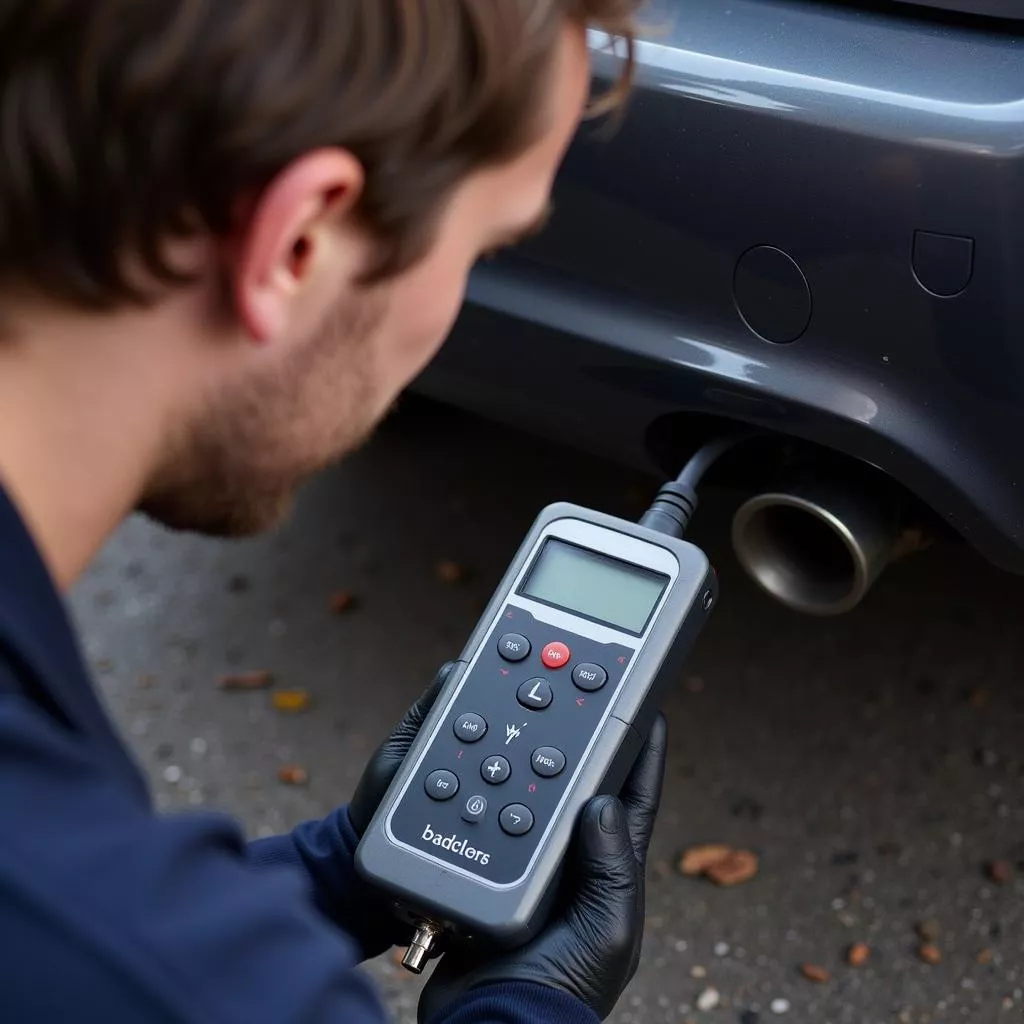 Vehicle emissions testing
5. Recent updates to vehicle inspection regulations
Recently, there have been some notable changes to vehicle inspection regulations, such as:
- Extension of inspection validity: Applies to specific vehicle types and models.
- Automatic inspection renewal: In certain cases, vehicle owners may be eligible for automatic inspection renewal without requiring a physical re-inspection.
- Online public services: Vehicle owners can easily access information and schedule inspection appointments online.
Vehicle Inspection Fees 2023
| Vehicle Type | Inspection Fee (VNĐ) |
|---|---|
| Cars under 9 seats | 240,000 |
| Vans | 290,000 |
| Trucks under 2 tons | 300,000 |
| Trucks from 2 – 10 tons | 350,000 |
| Trucks over 10 tons | 400,000 |
Note: The above prices are for reference only. Actual inspection fees may vary depending on the time and service provider.
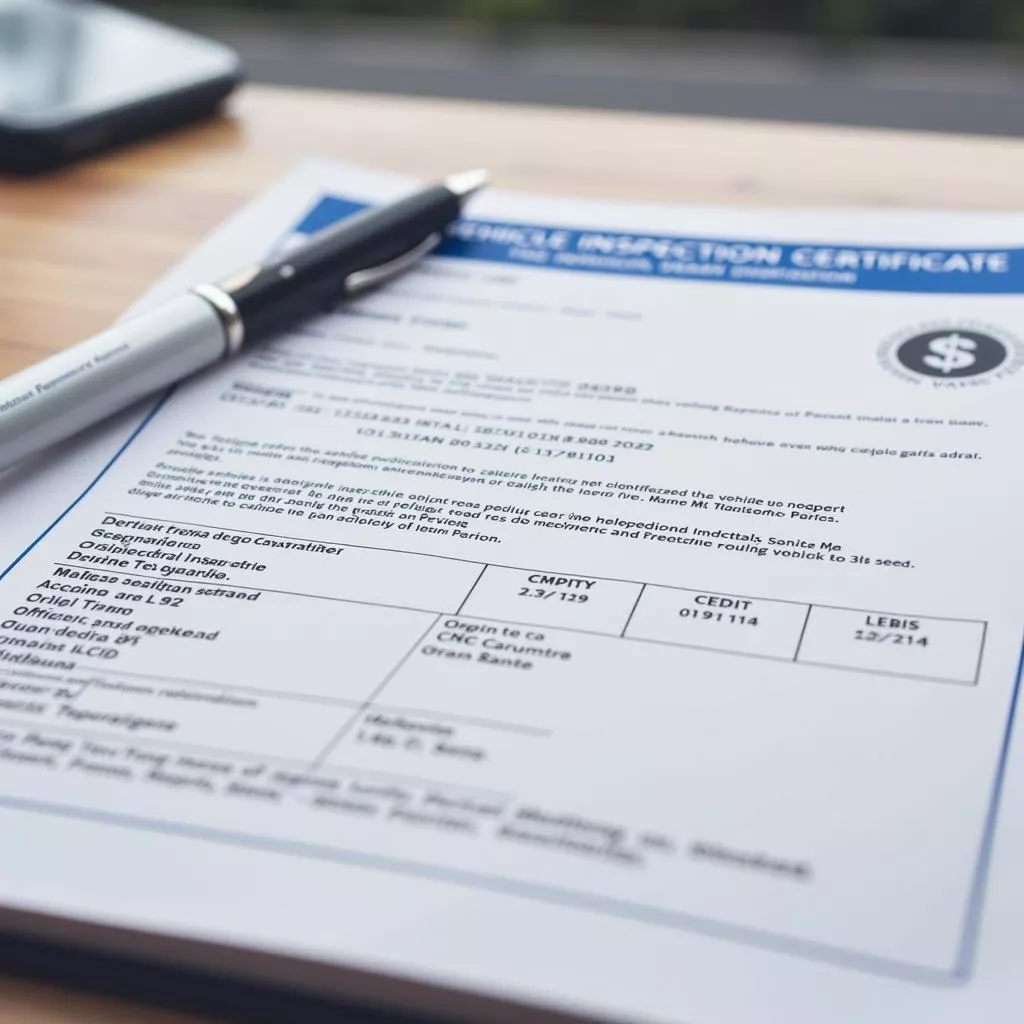 Vehicle inspection certificate
Important notes for vehicle inspection
- Prepare all necessary documents: Vehicle registration, insurance, ID card, etc.
- Ensure the vehicle meets technical standards: Thoroughly check brakes, lights, tires, and emissions before inspection.
- Choose a reputable inspection center: Consult friends, relatives, or search for information online.
- Keep the inspection sticker and certificate carefully: These are important proof that your vehicle has passed inspection.









