Donald Trump’s presidency (2017-2021) significantly impacted Southeast Asia (ASEAN). This article analyzes the effects of his policies on the region, spanning economic, security, and political spheres.
Economic Impact of Trump’s Policies on ASEAN
Trump’s withdrawal from the Trans-Pacific Partnership (TPP) shortly after taking office shocked many ASEAN nations, particularly TPP members like Vietnam, Singapore, and Malaysia. His “America First” policy, focused on trade protectionism and tariffs on imported goods, created instability in US-ASEAN trade relations. However, the TPP withdrawal also opened opportunities for other regional trade agreements, such as the Regional Comprehensive Economic Partnership (RCEP).
Some ASEAN countries benefited from American companies relocating production from China due to US-China trade tensions. However, the uncertainty of US trade policy under Trump also deterred many investors.
Impact on Regional Security
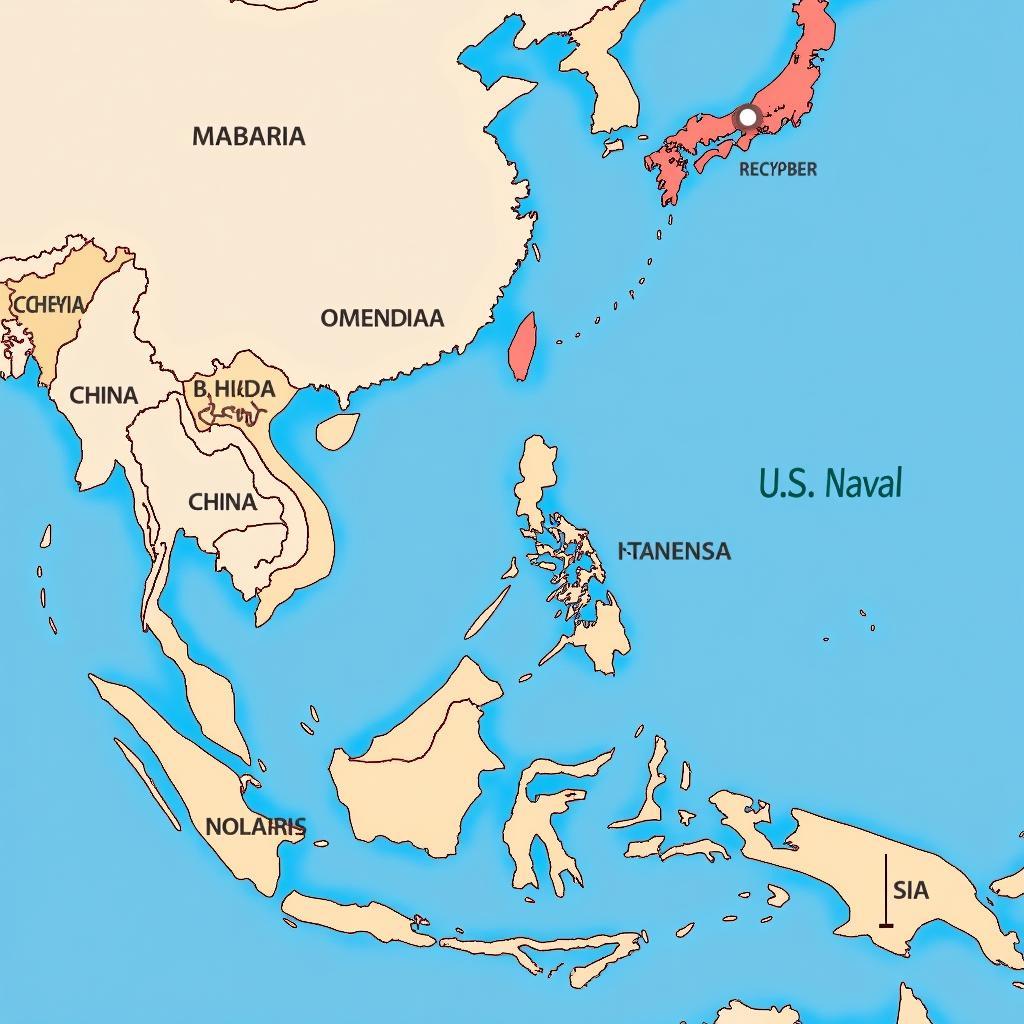
Trump’s South China Sea policy sparked controversy. While his administration increased military presence in the South China Sea and condemned China’s actions, the lack of a consistent US strategy raised concerns among ASEAN nations about America’s commitment to regional security.
Trump's South China Sea Policy and ASEAN
“The US withdrawal from the TPP and the lack of a clear strategy in the South China Sea created a vacuum for China to increase its influence in the region,” commented Nguyen Van A, Director of the Institute for International Strategic Studies.
Political Impact
Trump’s “America First” policy weakened US leadership in international organizations, affecting its credibility and influence on ASEAN nations. His limited participation in regional forums like the East Asia Summit signaled a perceived lack of US commitment to ASEAN.
 Trump's Policies and Their Political Impact on ASEAN
“Trump’s disinterest in ASEAN led many countries in the region to seek closer cooperation with other powers, particularly China,” stated Tran Thi B, a lecturer at the Diplomatic Academy of Vietnam.
Conclusion
Donald Trump’s policies had multifaceted and complex impacts on ASEAN. The US withdrawal from the TPP, protectionist trade policies, and an inconsistent security strategy posed challenges for the region. Trump’s South China Sea Policy However, it also created opportunities for ASEAN to strengthen intra-bloc cooperation and diversify foreign relations. The long-term effects of these policies require further observation and assessment.
FAQ
- What is the TPP?
- What is the RCEP?
- What is the significance of the South China Sea for ASEAN?
- What is the “America First” policy?
- How many members are there in ASEAN?
- What is the relationship between the US and ASEAN?
- What is the impact of the US-China trade war on ASEAN?
Common Scenarios and Frequently Asked Questions
Customers often inquire about the impact of Donald Trump’s policies on their import and export activities. They are also concerned about the continued US commitment to security in the region.
Suggested Further Reading
Learn more about US foreign policy here. We also have an article on the relationship between ASEAN and China here.