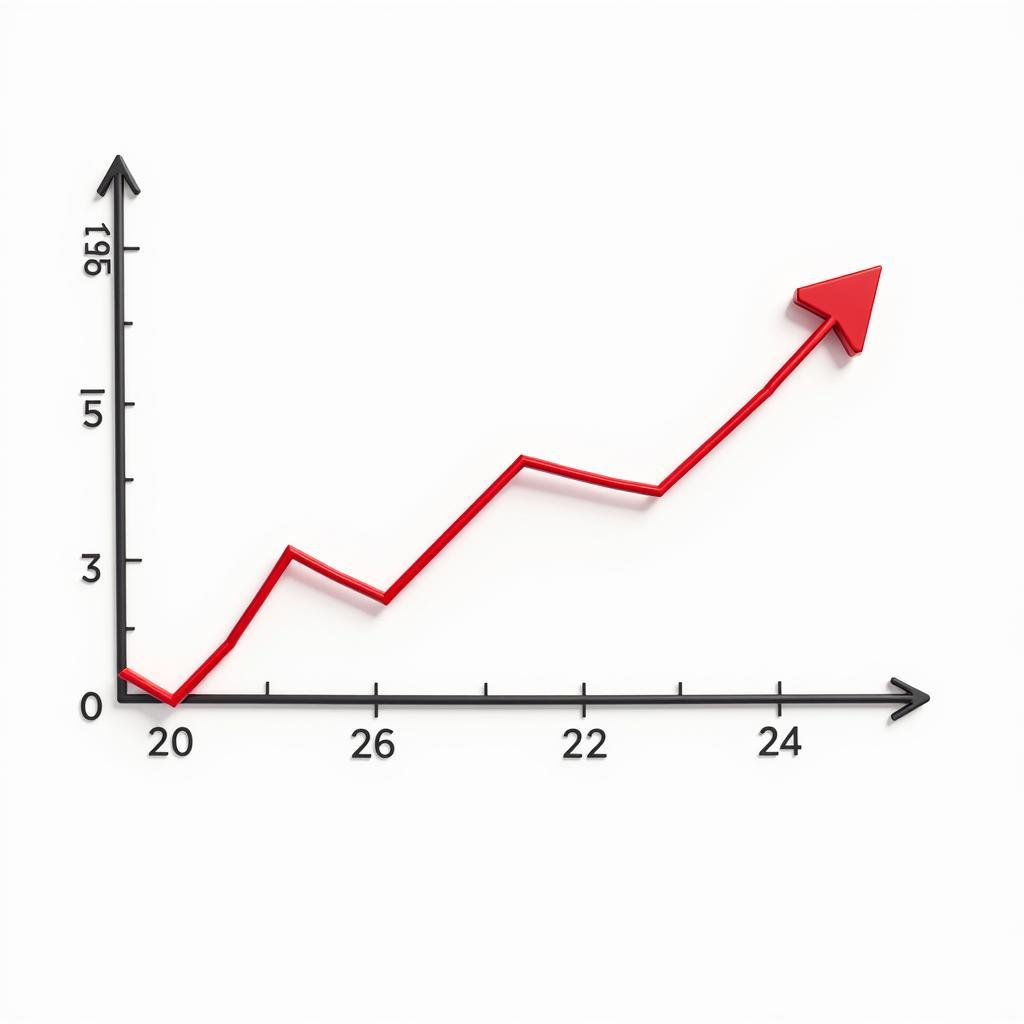
A budget deficit is a significant financial issue reflecting the difference between government revenue and expenditure over a specific period. When public spending surpasses budget revenue, a budget deficit occurs. Budget deficit chart
Causes of Budget Deficits
Several factors can contribute to budget deficits. Some common causes include:
- Economic Recession: During recessions, economic activity slows down, leading to reduced tax revenue. Simultaneously, the government may increase spending on social welfare programs to support the economy, exacerbating the deficit.
- Military Spending: Countries with high defense spending often tend to have larger budget deficits.
- Expansionary Fiscal Policy: When the government reduces taxes or increases spending, the budget deficit can rise.
- Public Debt Interest: As public debt increases, interest payments also rise, putting pressure on the national budget.
Impacts of Budget Deficits
Budget deficits can have several impacts on the economy, including:
- Increased Interest Rates: To finance the deficit, the government often borrows money, increasing the demand for loans and potentially pushing interest rates higher.
- Inflation: When the government prints more money to cover the deficit, the prices of goods and services can increase, leading to inflation.
- Reduced Investment: High interest rates resulting from budget deficits can discourage private sector investment.
- Public Debt Burden: Prolonged budget deficits lead to increased public debt, creating a burden for future generations.
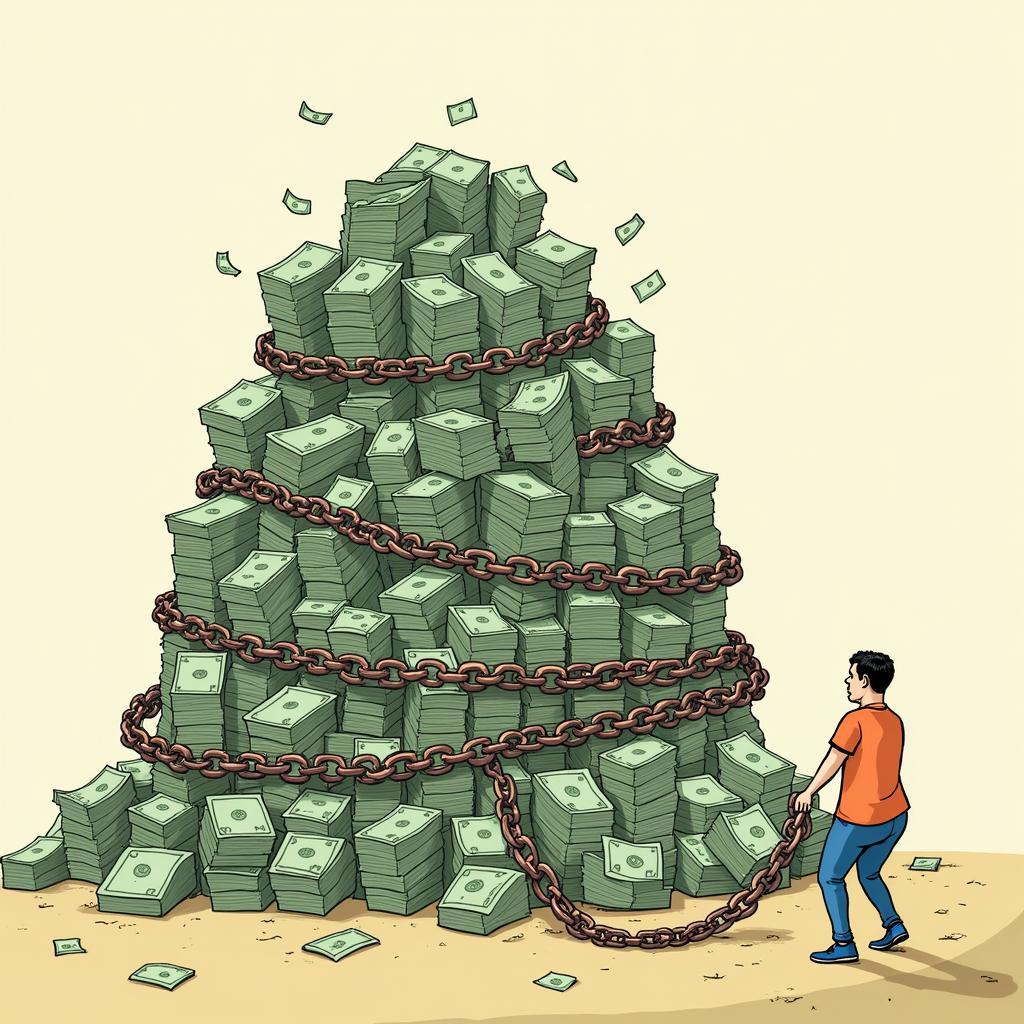 Illustrative image of the public debt burden
Solutions to Budget Deficits
To address budget deficits, the government can implement several measures:
- Spending Control: Reduce unnecessary public spending and improve budget efficiency.
- Increased Revenue: Raise taxes or expand the tax base.
- Economic Growth Promotion: Implement policies to stimulate economic growth, thereby increasing tax revenue.
- Structural Reforms: Reform the tax system, public spending, and public debt management.
Conclusion
Budget deficits are a complex issue requiring comprehensive and sustainable solutions. The government needs appropriate fiscal policies to control deficits and ensure economic stability and development.
Frequently Asked Questions about Budget Deficits
1. Are budget deficits always bad?
Not necessarily. In some cases, budget deficits can be necessary to stimulate the economy, for example, during a recession.
2. How do you know if a country is suffering from a large budget deficit?
The ratio of the budget deficit to GDP is a commonly used indicator to assess the severity of the budget deficit.
3. How does a budget deficit affect me?
A budget deficit can affect you through higher interest rates, inflation, reduced job opportunities, and the burden of public debt on future generations.
4. What solutions is Vietnam implementing to address budget deficits?
Vietnam is implementing measures such as controlling public spending, increasing budget revenue, reforming the tax system, and promoting economic growth.
5. What can I do to contribute to reducing the budget deficit?
As a responsible citizen, you can pay your taxes in full, participate in monitoring government activities, and support sound fiscal policies. Tax Policies for Startups
Want to Learn More?
Contact Us
For the best advice and support on financial matters, please contact us:
- Phone: 0968239999
- Email: [email protected]
- Address: No. TT36 – CN9 Road, Tu Liem Industrial Park, Phuong Canh Ward, Nam Tu Liem District, Hanoi.
We have a 24/7 customer service team ready to assist you.









