Vietnam’s tax policy plays a crucial role in regulating the economy, generating government revenue, and supporting business development. This article provides an overview of the current tax system, its impact on businesses, particularly in the transportation sector, and key considerations for truck business owners.
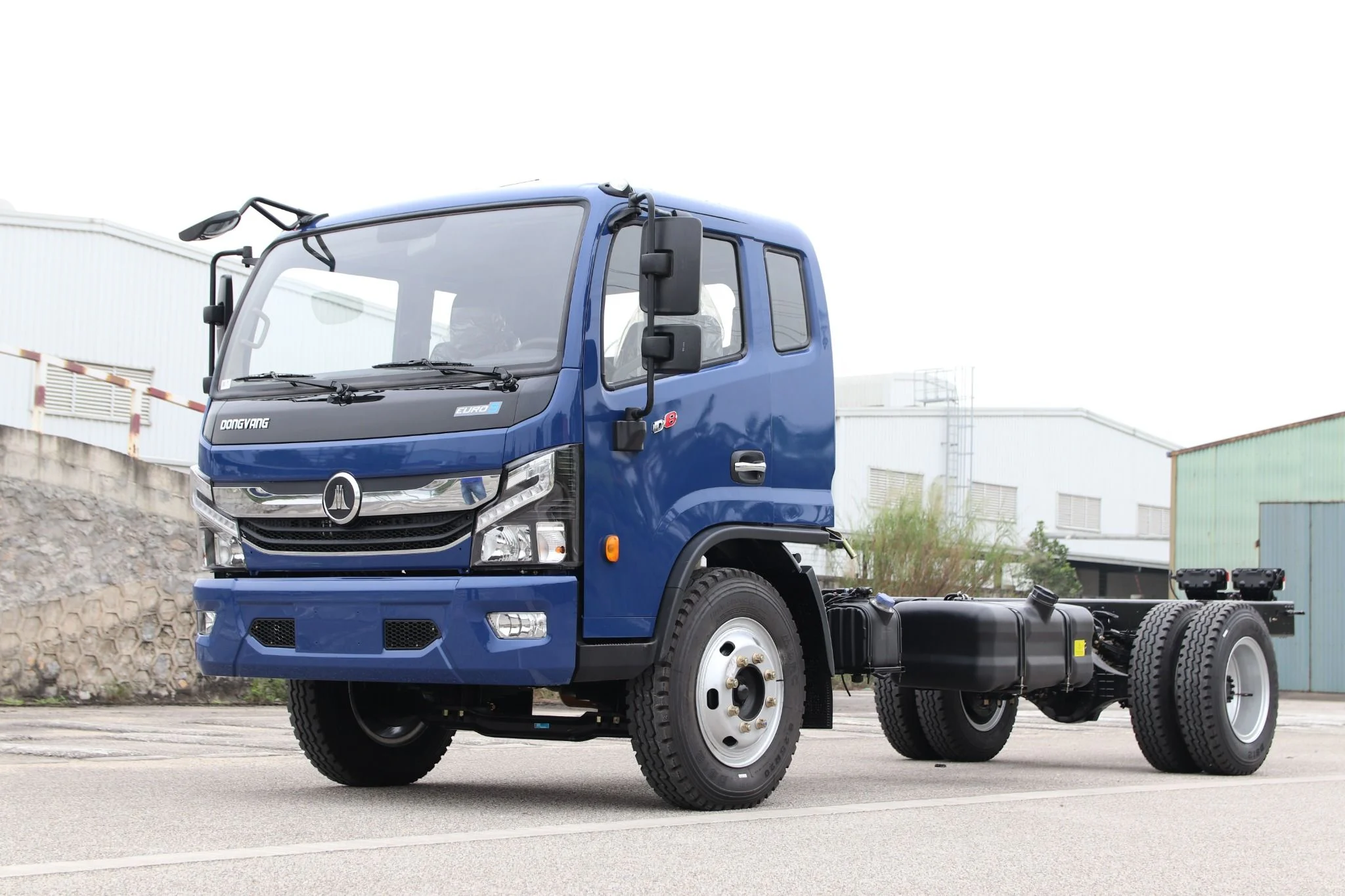
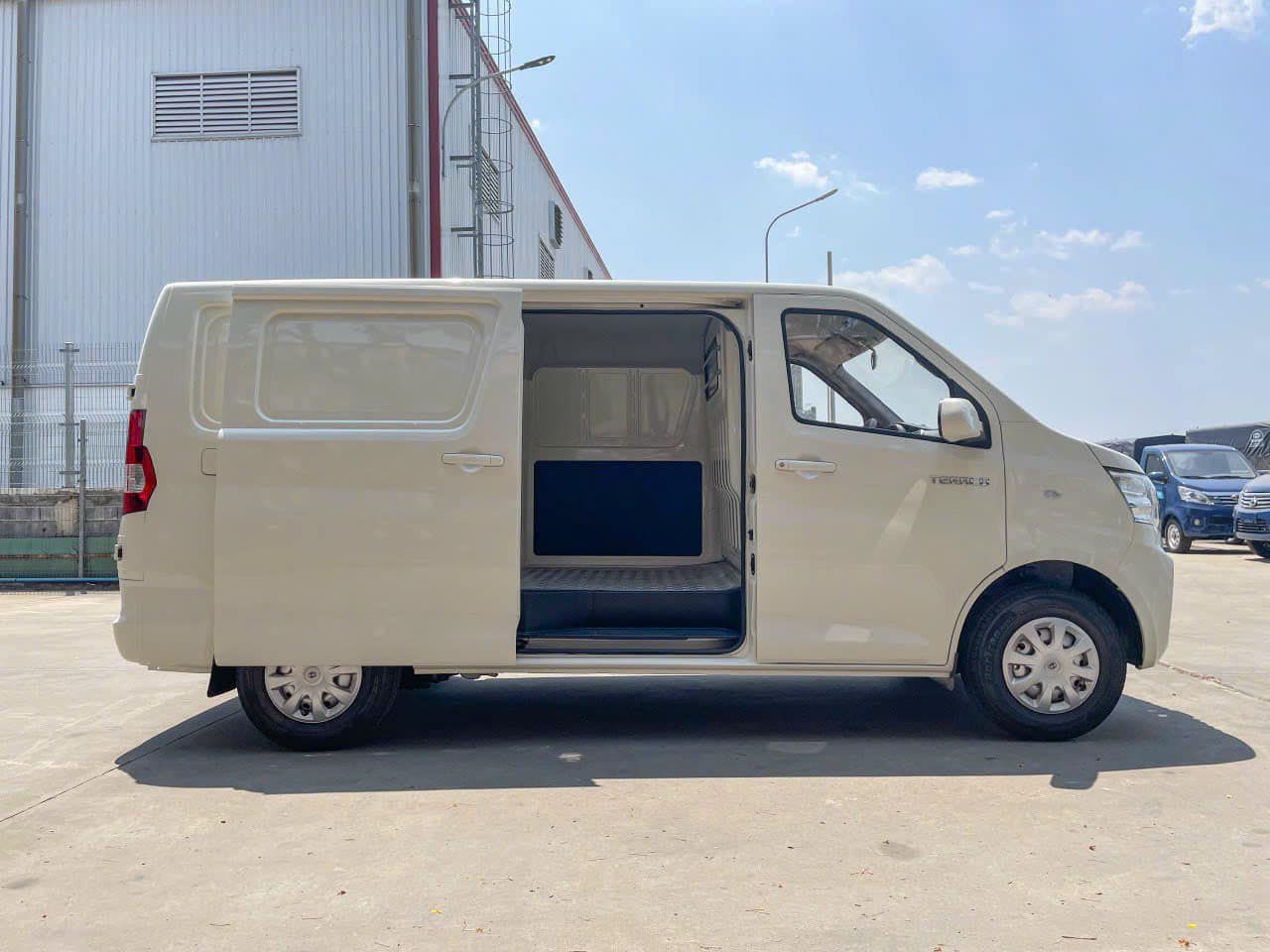
Understanding Vietnam’s tax policy is essential for businesses, especially those in the transportation industry utilizing box trucks, light trucks, vans, and trucks with capacities of 1 ton, 2 tons, 3.5 tons, and 8 tons, to operate efficiently and comply with the law. A clear understanding of tax regulations helps businesses optimize costs, enhance competitiveness, and achieve sustainable growth. Tax policies also directly affect transportation costs, influencing decisions on choosing the right truck for business needs.
Main Types of Taxes in Vietnam
Vietnam’s tax system comprises various taxes, each with its purpose and applicable subjects. Some important taxes that transportation businesses should be aware of include Value Added Tax (VAT), Corporate Income Tax (CIT), Special Consumption Tax, registration fees, and other taxes and fees related to transportation activities.
Value Added Tax (VAT)
VAT is applied to most goods and services. For transportation businesses, VAT is calculated on freight charges. Understanding how to calculate and declare VAT is crucial for ensuring compliance.
Vietnam Tax Policy Overview 2018
Corporate Income Tax (CIT)
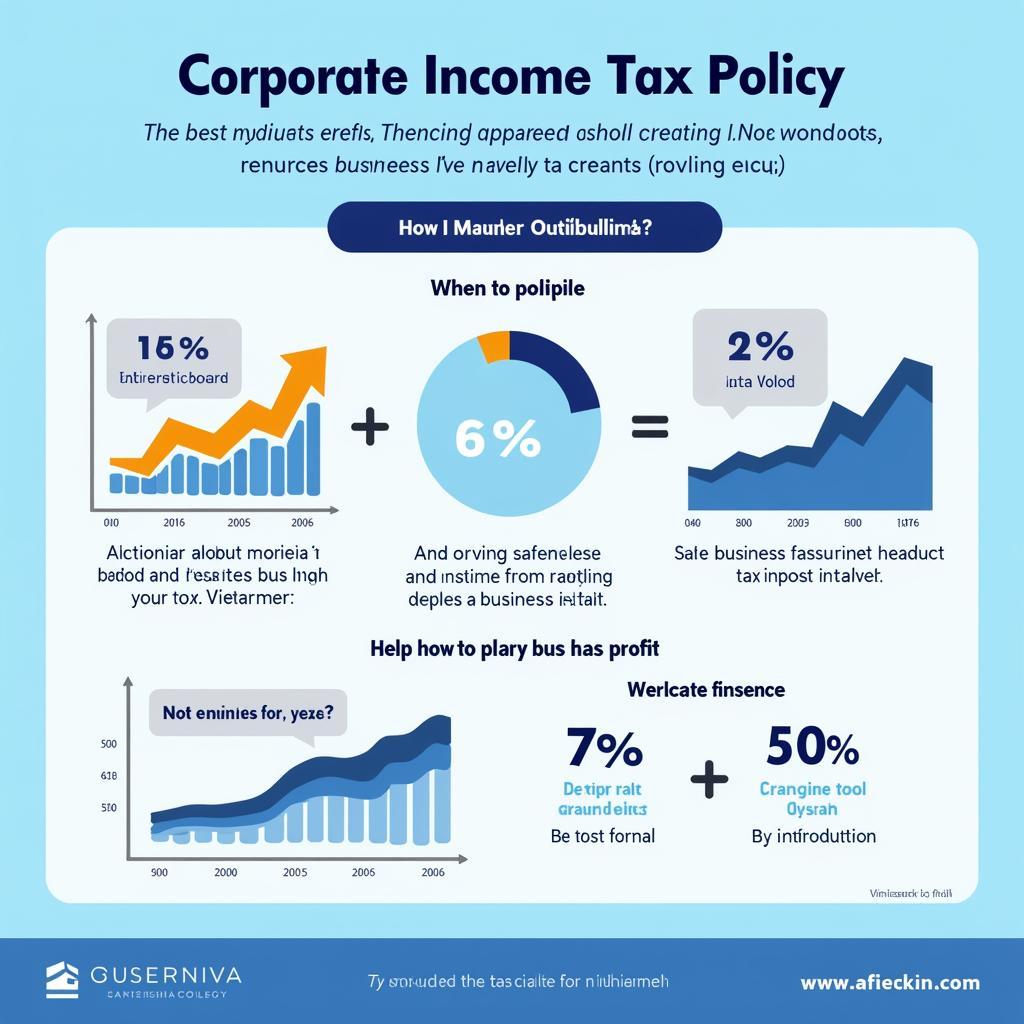
CIT is calculated on a company’s profit after deducting eligible expenses. For transportation businesses, managing expenses, including fuel, maintenance, and labor costs, is crucial for CIT optimization.
Corporate Income Tax Policy in Vietnam
Impact of Tax Policy on Transportation Businesses
Tax policy significantly impacts the operations of transportation businesses. Changes in tax policy can affect freight rates, business profits, and market competitiveness.
Tax Optimization for Transportation Businesses
To optimize taxes, transportation businesses need to understand current regulations, apply appropriate accounting methods, and utilize financial management software.
Summary of Vietnam’s Tax Policy
Recent Changes in Tax Policy
Vietnam regularly updates and adjusts its tax policies to align with domestic and international economic conditions. Transportation businesses need to closely monitor these changes to adjust their operations accordingly.
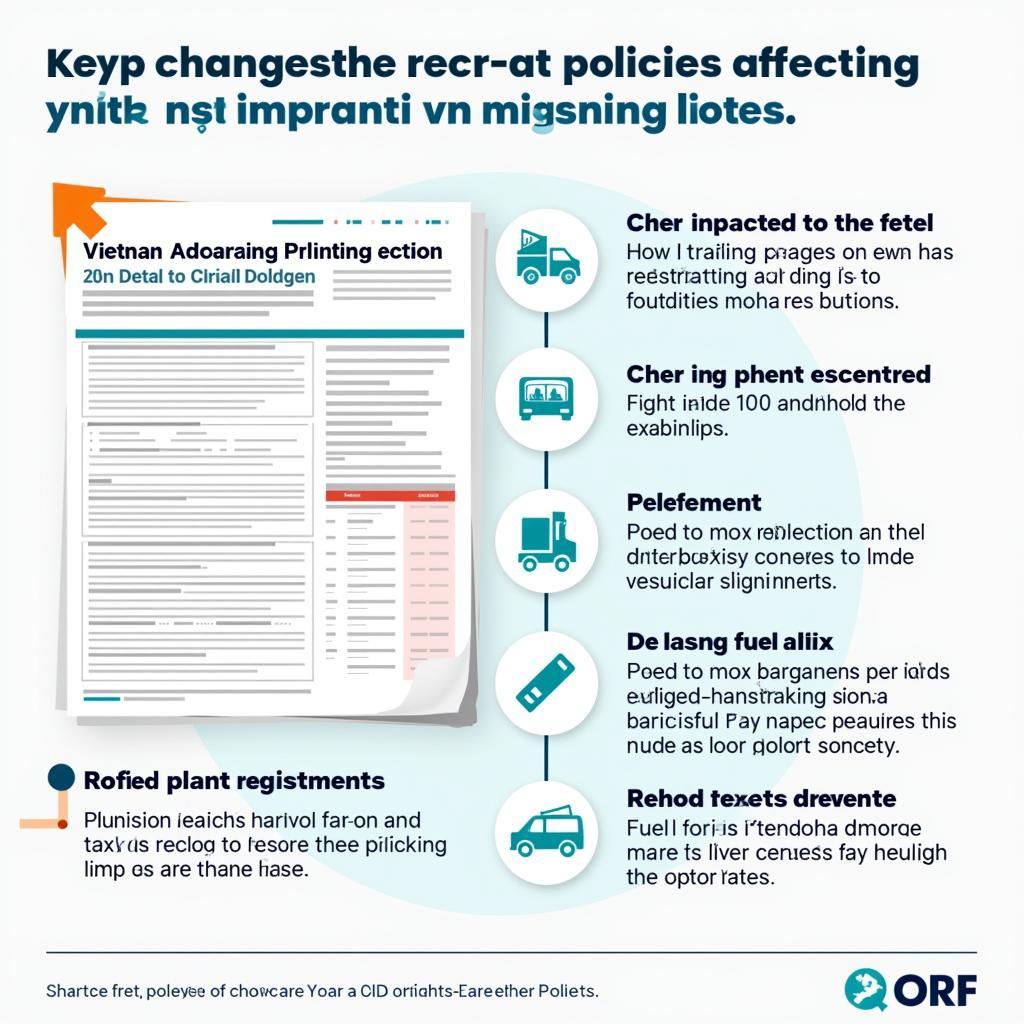 Changes in Transportation Tax Policy
Conclusion
Vietnam’s tax policy is complex and constantly evolving. Transportation businesses must proactively learn, update their knowledge, and comply with regulations to ensure efficient and sustainable operations. Understanding tax policy not only helps businesses optimize costs but also contributes to the overall development of the economy.
Official Document on Tax Policy for Medicinal Herbs
FAQ
- How is VAT calculated for transportation services?
- Are there any tax incentives for transportation businesses?
- What are the procedures for tax declaration and payment for transportation businesses?
- What are the penalties for tax violations by transportation businesses?
- How can CIT be optimized for transportation businesses?
- What is the official source of information on tax policy in Vietnam?
- How does tax policy affect freight rates?
Support Policies for the Furniture Industry
Suggested related articles on our website: Political Book Review
For assistance, please contact us by phone: 0968239999, Email: [email protected] or visit our address: No. TT36 – CN9 Road, Tu Liem Industrial Park, Phuong Canh Ward, Nam Tu Liem District, Hanoi. We have a 24/7 customer service team.