China’s one-child policy had a profound impact on society and the economy, including the trucking industry. This article will analyze the policy’s effects on freight and passenger transportation demand, as well as changes in the Vietnamese truck market.
Impact on Transportation Demand
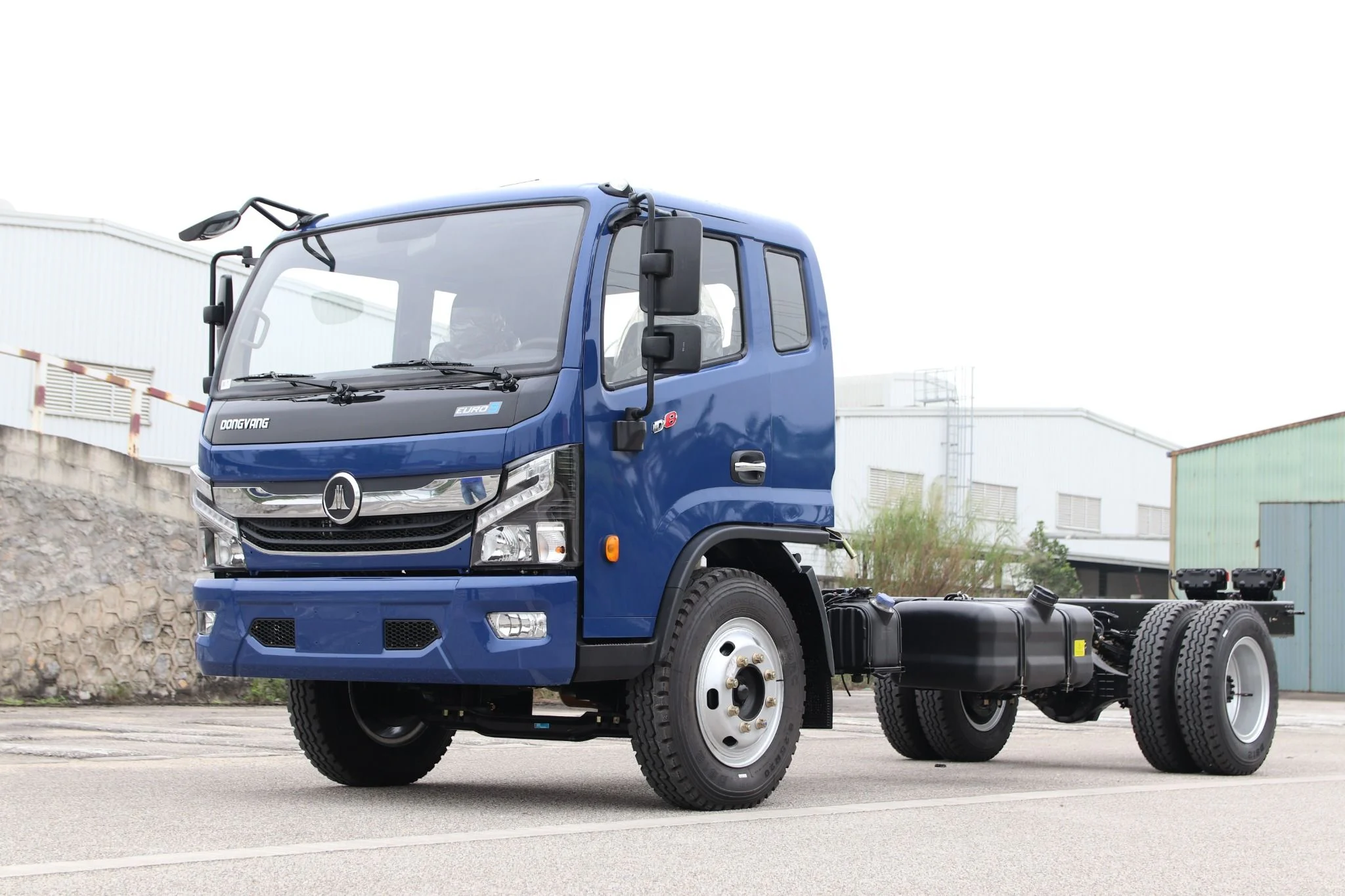
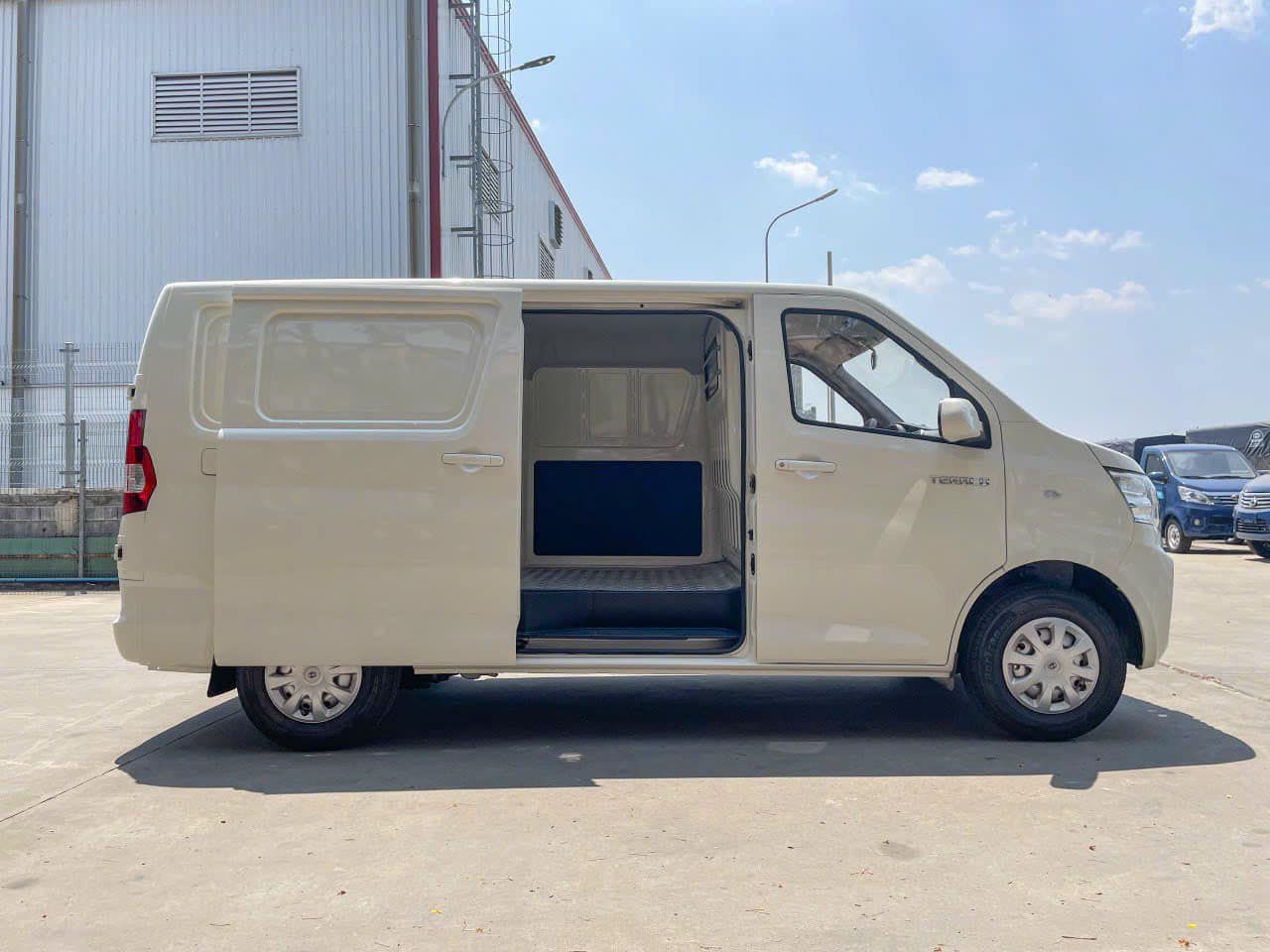
The one-child policy impacted household size, leading to changes in consumption patterns and freight transportation demand. Smaller families tend to purchase less, resulting in reduced demand for consumer goods transportation. However, the focus on investing in an only child created demand for premium products, toys, and educational materials. This shift required transportation companies to adjust their strategies, focusing on light trucks and vans suitable for small-scale, high-value cargo.
Impact of the one-child policy on light truck demand
Changes in the Truck Market
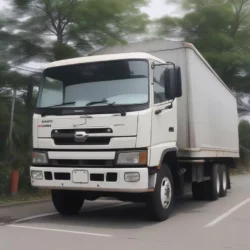
The one-child policy also indirectly affected the trucking industry’s workforce. With a declining young population, the labor supply for the transportation sector was also impacted. This led to a demand for modern, easy-to-operate, and fuel-efficient trucks, such as 1-ton, 2-ton, and 3.5-ton trucks. Transportation companies needed to invest in technology and training to improve labor productivity. Similar to the new tax policy of 2019, the one-child policy also created significant market changes.
The Development of Urban Logistics
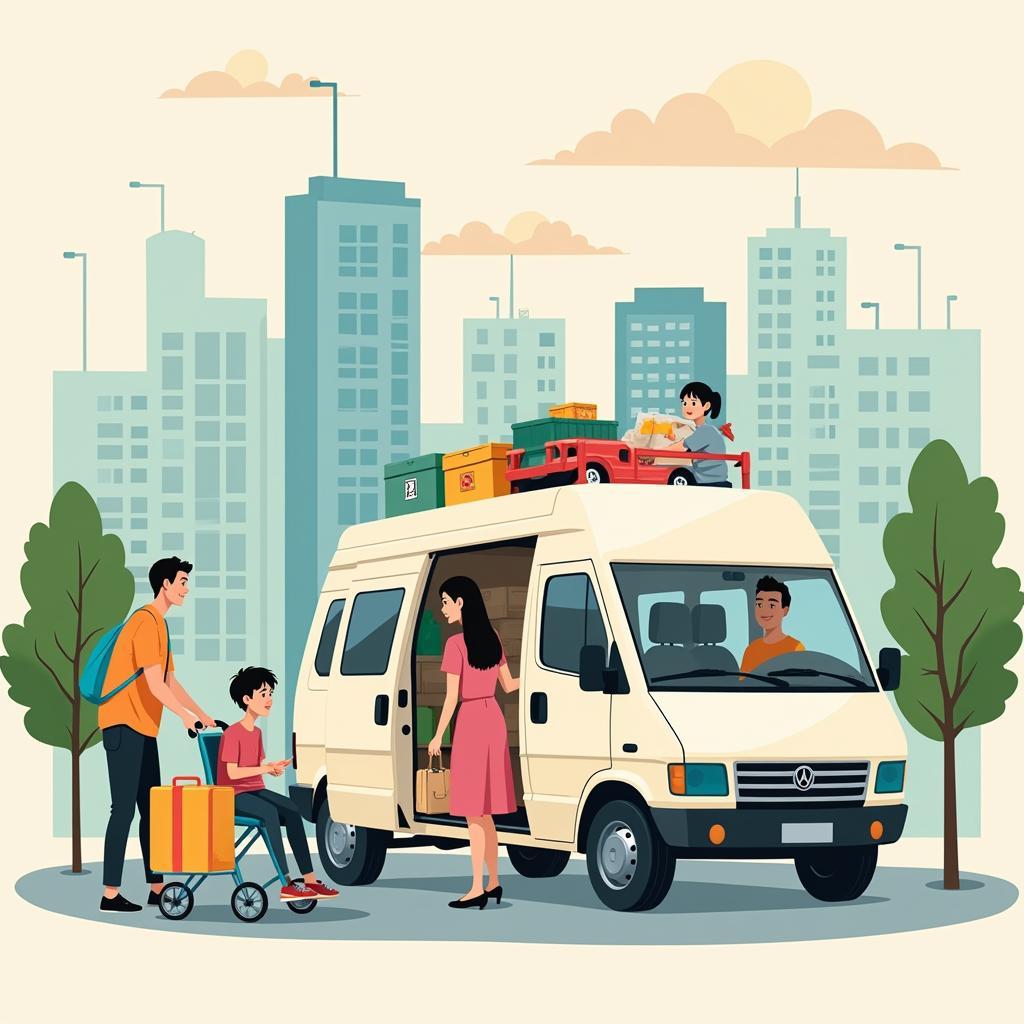
The one-child policy contributed to urbanization, leading to the development of urban logistics. The increasing demand for goods transportation within cities required flexible and efficient transportation solutions. Vans and light trucks became the optimal choice for urban delivery, meeting the need for fast and convenient delivery. This opened up opportunities for transportation companies specializing in urban logistics. A detailed example of NAFTA and US auto policy demands also demonstrates the policy’s influence on the automotive industry.
The Future of the Trucking Industry
Although the one-child policy has been adjusted, its impacts continue to affect the trucking industry. The trend of using small trucks, vans, and trucks ranging from 1 to 8 tons continues to grow. Transportation companies need to continue investing in technology, training personnel, and optimizing operational processes to meet the increasing market demands. For those interested in policies on health and social insurance, further research into related policies is also important.
Conclusion
The one-child policy created significant changes in the trucking industry. Understanding these impacts helps transportation businesses adapt and develop sustainably in the future. This has similarities to the quality policy of a graphic design company in needing to adapt to market changes.
FAQ
- How did the one-child policy affect truck demand?
- What type of truck became most popular after the one-child policy?
- How did urban logistics develop after the one-child policy?
- What is the future of the trucking industry after the one-child policy?
- How can transportation companies adapt to changes after the one-child policy?
- Did the one-child policy affect truck prices?
- Did the one-child policy impact driver recruitment?
For assistance, please contact us by phone: 0968239999, Email: [email protected] Or visit our address: No. TT36 – CN9 Road, Tu Liem Industrial Zone, Phuong Canh Ward, Nam Tu Liem District, Hanoi. We have a 24/7 customer service team.