A clear and competitive pricing policy is crucial for attracting and retaining customers in the trucking industry. This article breaks down the key factors that influence transportation pricing and offers valuable insights for businesses looking to optimize costs and enhance operational efficiency.
Factors Influencing Transportation Pricing
Developing an effective transportation pricing policy depends on several variables, including the type of goods, transportation distance, truck type, and additional costs.
Type of Goods
Bulky, fragile, frozen, or hazardous goods require special transportation conditions, impacting the price. For instance, transporting frozen goods necessitates specialized trucks with temperature control, resulting in higher costs compared to dry goods. Fragile items demand careful packaging and handling, also increasing transportation expenses.
Transportation Distance
Longer distances increase fuel consumption, labor costs, and transportation time, leading to higher prices. Transportation within Hanoi will have a different price compared to interprovincial transportation.
Truck Type
The appropriate truck type is determined by the weight and dimensions of the goods. Box trucks, pickup trucks, vans, and trucks with varying capacities (1 ton, 2 tons, 3.5 tons, or 8 tons) all have different pricing structures. Choosing the right truck optimizes costs and ensures cargo safety.
Additional Costs
Additional costs such as tolls, parking fees, and warehousing fees (if applicable) are also factored into the transportation price. Businesses should carefully budget for these expenses to avoid unexpected costs.
Transportation Pricing Methods
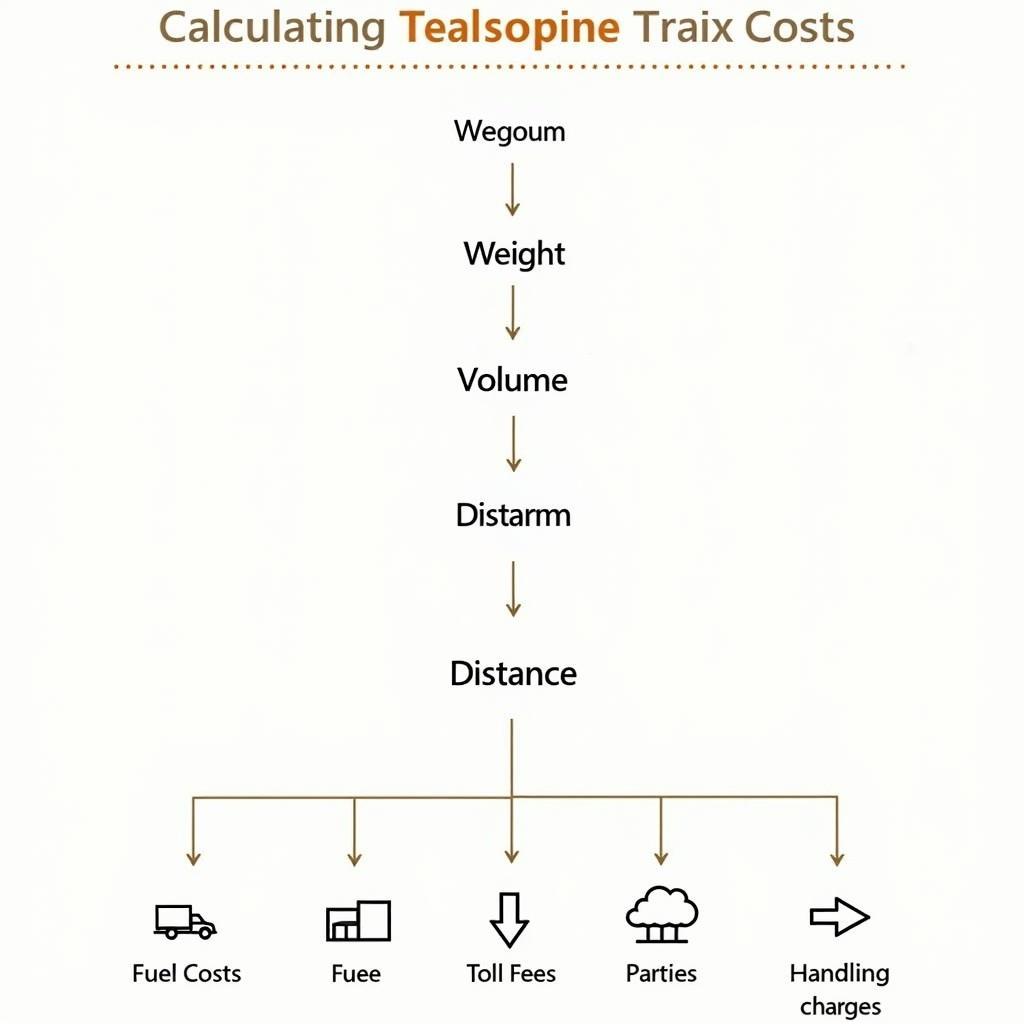
Various methods exist for calculating transportation prices. Businesses should choose the method that best suits their operational needs.
Weight-Based Pricing
This method calculates the price based on the total weight of the goods. The heavier the shipment, the higher the price.
Volume-Based Pricing
For bulky but lightweight goods, volume-based pricing is applied.
Distance-Based Pricing
This method calculates the price based on the distance traveled. The further the distance, the higher the price.
Freight pricing methods
Value-Based Pricing
For high-value goods, businesses may use value-based pricing to ensure adequate compensation in case of incidents.
Optimizing Transportation Pricing Policy
Optimizing pricing policies enables businesses to compete effectively and increase profitability. See more about Vingroup’s HR Policy.
Choosing the Right Truck
Using a truck that matches the weight and size of the goods saves on fuel costs and optimizes payload. Learn more about Samsung’s promotional policy.
Planning Efficient Routes
Choosing the shortest routes and avoiding traffic congestion saves time and transportation costs. You can also refer to Decision No. 62 on Policies and Regimes.
Leveraging Technology
Utilizing transportation management software optimizes transportation processes, reduces costs, and improves efficiency.
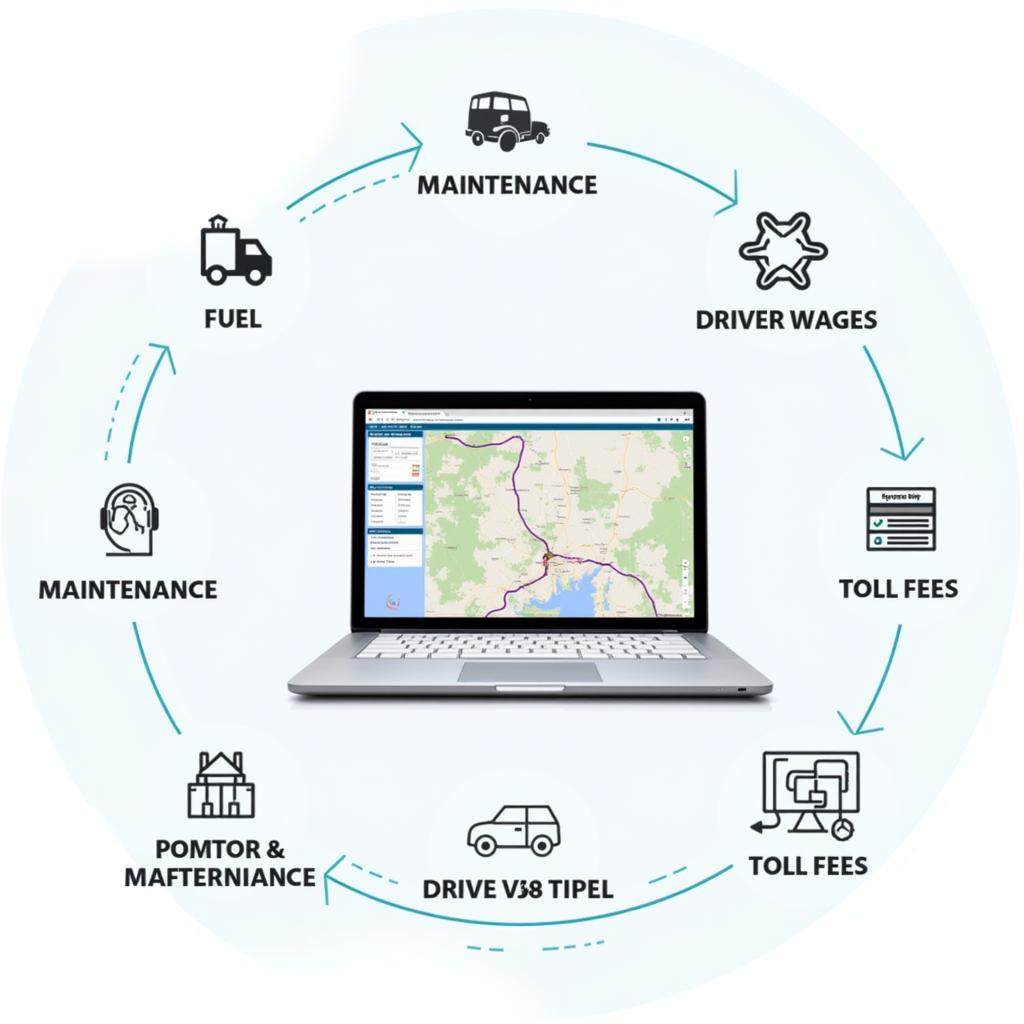 Optimizing transportation pricing policy
Conclusion
Transportation pricing is a critical element in the trucking business. Understanding the influencing factors and applying appropriate pricing methods enables businesses to optimize costs, enhance competitiveness, and achieve high operational efficiency. Learn more about Dominica’s visa policy or Social Policy Bank of Nam Truc District.
FAQ
- How to calculate freight shipping costs?
- What factors affect transportation costs?
- How to optimize transportation costs?
- Which type of truck should I choose for shipping goods?
- Which transportation management software is effective?
- How does the transportation pricing policy affect customers?
- How to build a competitive transportation pricing policy?
Common Scenario Examples
Scenario 1: A customer needs to transport fragile goods. Consultation is needed on packaging methods and suitable truck types to ensure cargo safety.
Scenario 2: A customer needs to transport a large quantity of goods. Consultation is needed on preferential pricing policies and choosing the most cost-effective truck type.
Scenario 3: A customer needs urgent transportation of goods. Consultation is needed on the fastest transportation route and estimated delivery time.
Suggested Related Articles
You can find more articles on “choosing the right truck,” “freight transportation process,” and “types of transportation” on our website.









