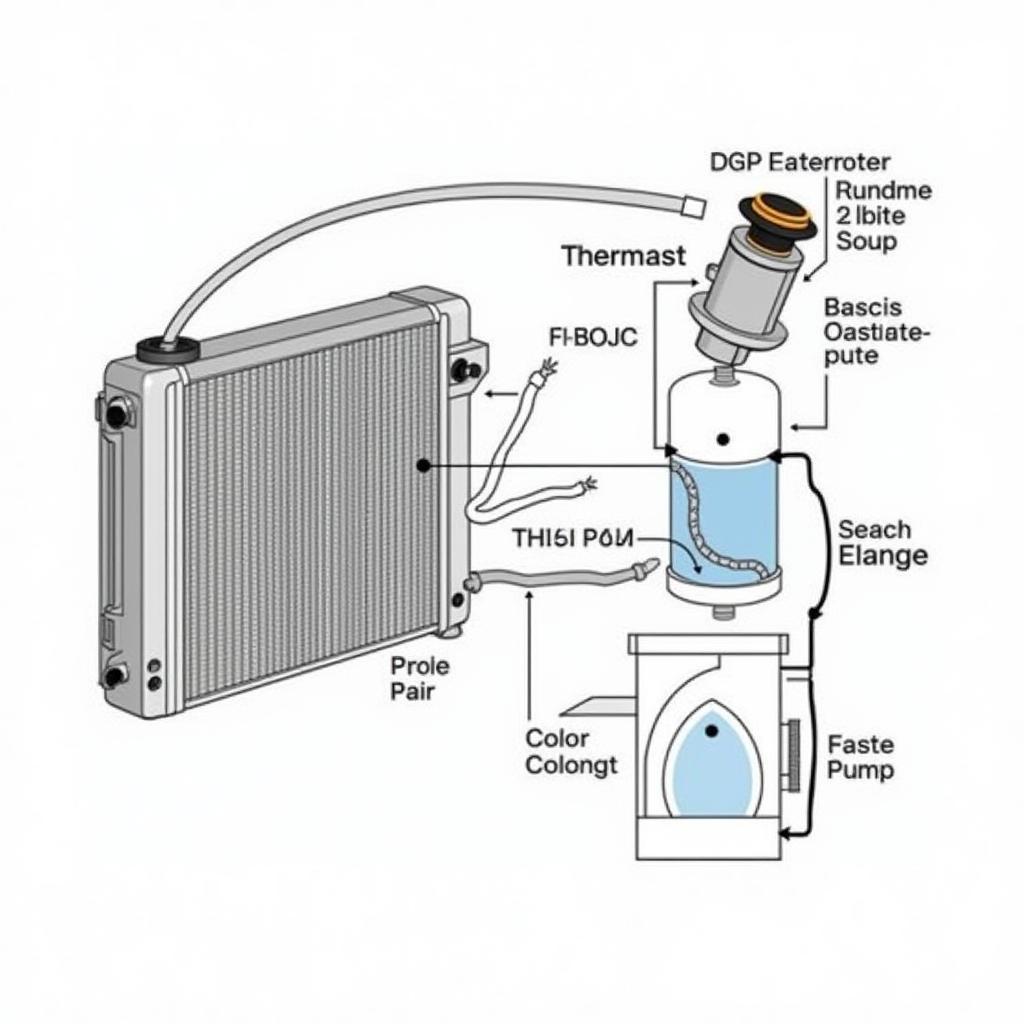
The car cooling system, also known as the radiator system, plays a vital role in maintaining the stable operation of the engine. It controls engine temperature, prevents overheating, and ensures optimal performance. Understanding the car cooling system is essential for all vehicle owners, especially those who frequently use trucks such as box trucks, light trucks, vans, and trucks with capacities of 1 ton, 2 tons, 3.5 tons, and 8 tons.
The Role of the Car Cooling System
The ideal operating temperature for an engine is between 80-90 degrees Celsius. Exceeding this threshold can cause serious engine damage. The car cooling system dissipates heat, maintains a stable operating temperature, ensures performance, and extends engine life. This system is particularly crucial for trucks operating continuously and carrying heavy loads, such as 8-ton trucks.
Components of the Cooling System
The car cooling system consists of several components, including the radiator, water pump, cooling fan, thermostat, hoses, and coolant. Each part plays a distinct role and works in harmony to ensure efficient cooling.
Radiator
The radiator dissipates heat from the coolant to the environment. It’s made of metal, usually aluminum or copper, with a design of small tubes and fins to increase the surface area exposed to the air.
Water Pump
The water pump circulates coolant throughout the system. It creates pressure to force the coolant through the components, carrying heat from the engine to the radiator.
Cooling Fan
The cooling fan increases airflow through the radiator, accelerating the heat dissipation process. There are two main types of cooling fans: mechanical fans and electric fans.
Thermostat
The thermostat regulates the flow of coolant to the radiator. When the engine is cold, the valve closes to prevent coolant from flowing through the radiator, helping the engine reach operating temperature quickly. When the engine is hot, the valve opens to allow coolant to circulate through the radiator and dissipate heat.
Car cooling system diagram
How the Car Cooling System Works
When the engine runs, heat is generated by the combustion of fuel. Coolant absorbs heat from the engine and is pumped through hoses to the radiator. There, the heat is dissipated into the environment through the fins and the cooling fan. Afterward, the coolant returns to the engine to continue the cooling process.
Signs of a Failing Cooling System
Several signs indicate a problem with the car cooling system, including high engine temperature, coolant leaks, a malfunctioning cooling fan, or engine overheating. If you encounter these signs, you should inspect and repair the system immediately.
High Engine Temperature
This is the most obvious sign of a cooling system problem. The temperature gauge on the dashboard will indicate a higher than normal reading.
Coolant Leaks
If you see coolant leaking under the car, there may be a problem with the radiator, hoses, or water pump.
Malfunctioning Cooling Fan
A malfunctioning cooling fan reduces heat dissipation efficiency, leading to increased engine temperature.
 Signs of a failing car cooling system
Car Cooling System Maintenance
Regular maintenance of the car cooling system is crucial to ensure efficient operation and prolong its lifespan. You should replace the coolant periodically and inspect components such as the radiator, water pump, cooling fan, and thermostat. Regular maintenance helps detect problems early and prevent serious damage. For trucks, cooling system maintenance is even more critical due to their frequent operation at high intensity. You can learn more about car maintenance in the global automotive market.
Coolant Replacement
Coolant should be replaced periodically according to the manufacturer’s recommendations. This helps remove debris and maintain cooling efficiency.
Component Inspection
Regularly inspect components such as the radiator, water pump, cooling fan, and thermostat to detect problems early.
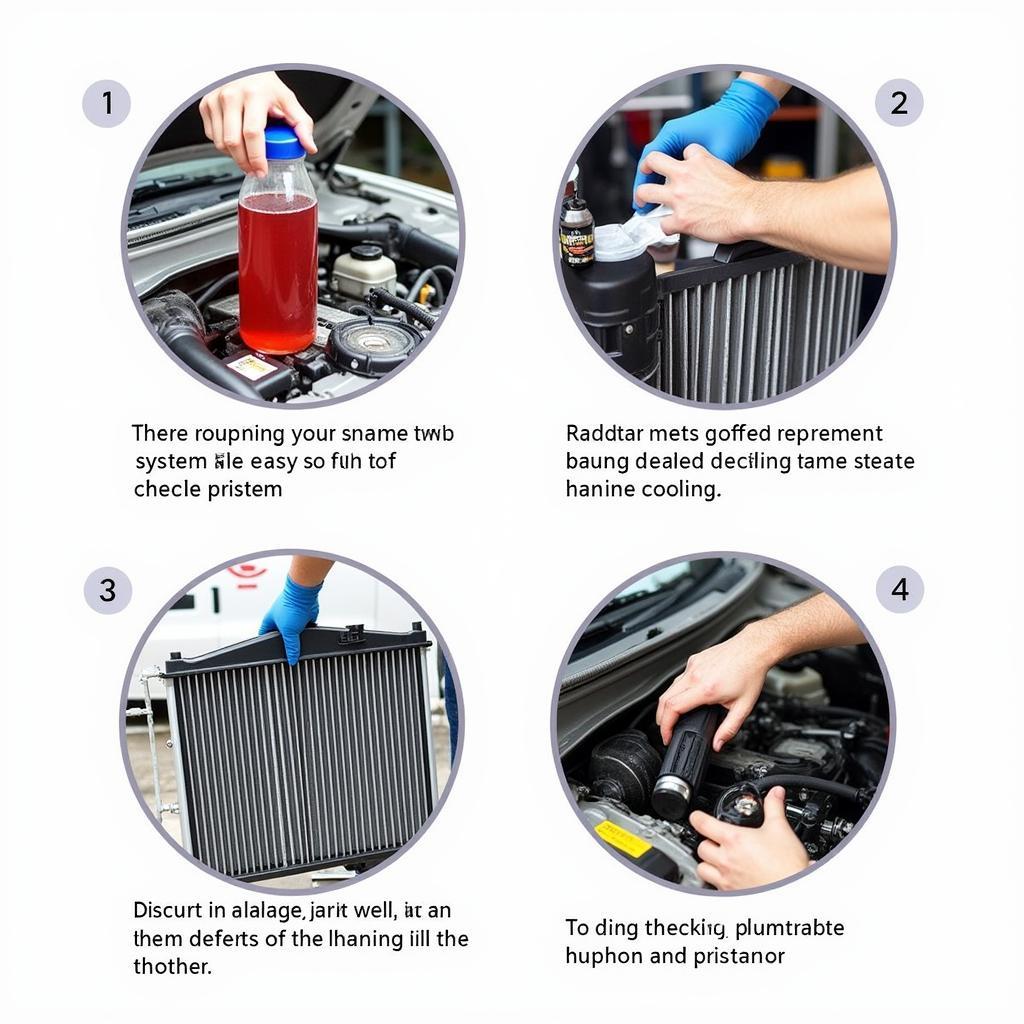 Car cooling system maintenance
Conclusion
The car cooling system is a vital system that ensures the stable operation of the engine. Understanding its structure, operating principle, signs of failure, and maintenance procedures will help you maintain performance and extend the life of your vehicle. To learn more about car-related issues, you can refer to the article where to learn to drive a car.
FAQ
- When should coolant be changed?
- What are the signs of a failing cooling system?
- How to maintain a car cooling system?
- What is the role of the thermostat?
- What is the function of the radiator?
- Why is the cooling system important for the engine?
- What should be done when the engine overheats?
For assistance, please contact us by phone: 0968239999, Email: [email protected] Or visit us at: TT36 – CN9 Road, Tu Liem Industrial Zone, Phuong Canh Ward, Nam Tu Liem District, Hanoi. We have a 24/7 customer support team. If you are interested in choosing the right car, see more about which A-segment car to buy. Similar to car wash in Da Nang Son Tra, maintaining the cooling system is also very important. And if you want to delve deeper into the automotive industry, read about why Vietnam doesn’t produce cars.









