Foreign policies of nations, regardless of the era, share certain similarities, driven by national interests and the international landscape. This article delves into these commonalities, from ancient times to the modern age.
One of the most fundamental similarities is the pursuit of national interests. Every nation prioritizes its own interests, including security, economic prosperity, and cultural preservation. From the territorial expansion of ancient Rome to modern nations competing in global trade, national interest remains the primary motivator. Immediately after its establishment, a nation will seek to protect its borders and resources. This aligns with the bamboo diplomacy policy as both aim to safeguard national interests.
The Influence of the International Landscape on Foreign Policy
The international landscape, encompassing international relations, international organizations, and global events, plays a crucial role in shaping foreign policy. For instance, during the Cold War, the foreign policies of many nations were influenced by the rivalry between the two superpowers, the United States and the Soviet Union. The rise of multilateralism and international organizations like the United Nations has also created a framework for cooperation and competition among nations.
The influence of the international context on foreign policy
Cooperation and Competition in International Relations
While competition is an integral part of international relations, cooperation also plays a vital role. Nations collaborate in various areas, from trade and investment to science and technology. Free trade agreements and regional organizations like the European Union exemplify international cooperation. Similar to the Go Viet Hanoi bonus policy, cooperation benefits all participating parties.
The Role of Diplomacy in Foreign Policy
Diplomacy is a crucial tool for implementing foreign policy. Through diplomacy, nations can build relationships, resolve conflicts, and foster cooperation. Diplomatic skills and negotiation play a key role in achieving foreign policy objectives. This parallels quantitative analysis in public policy as both require thorough analysis and evaluation.
 The role of diplomacy in foreign policy
Power and Influence in International Relations
National power, including military, economic, and cultural strength, also influences foreign policy. Powerful nations often wield greater influence on the international stage. History demonstrates that major powers often play a significant role in shaping the world order. To better understand the import and export policy for goods and services, you can clearly see the role of economic power in international relations.
Adapting to Changes in the Global Environment
Foreign policy is not static but must continually adapt to changes in the global environment. Technological advancements, climate change, and other global challenges require nations to adjust their foreign policies. This shares similarities with the One China Policy regarding Taiwan in adapting to changing circumstances.
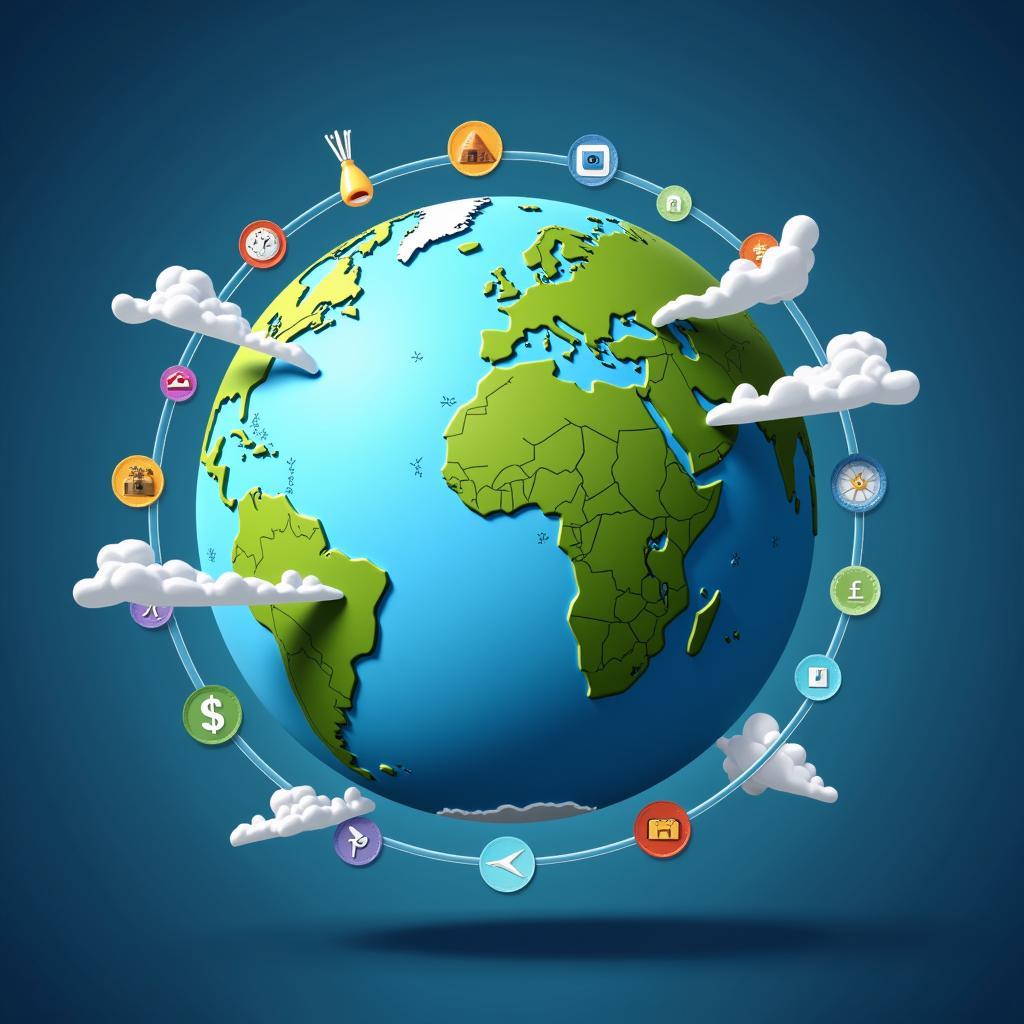 Adapting to changes in the global environment
In conclusion, regardless of the era, the foreign policies of nations share commonalities driven by national interests, the international context, and national power. The interplay of competition and cooperation, along with the crucial role of diplomacy, are key elements in international relations. Foreign policy must continuously adapt to changes in the global environment to ensure national interests and security.
Expert Nguyen Van A – International Relations Specialist: “National interest is always the guiding principle for foreign policy.”
Expert Tran Thi B – Lecturer at the Diplomatic Academy: “Diplomacy is the art of compromise and finding common ground.”
Expert Pham Van C – Foreign Policy Researcher: “The world is constantly changing, and foreign policy must change accordingly.”
FAQ:
- What is the main goal of foreign policy?
- What is the role of diplomacy in foreign policy?
- How does the international context influence foreign policy?
- How does national power affect foreign policy?
- Why must foreign policy adapt to change?
- What are the commonalities in foreign policy across different periods?
- What role does international cooperation play in foreign policy?
For assistance, please contact us by phone: 0968239999, email: [email protected] or visit our address: No. TT36 – CN9 Road, Tu Liem Industrial Park, Phuong Canh Ward, Nam Tu Liem District, Hanoi. We have a 24/7 customer service team.