Do you ever wonder about the luxurious cars with blue, white, and red license plates cruising around Hanoi? These vehicles belong to diplomatic missions, international organizations, and embassies. But what makes these license plates so special? Let’s delve into the secrets behind these powerful numbers with “XE TẢI HÀ NỘI”!
Diplomatic License Plates: A Special “Passport” on the Road
Unlike civilian license plates, diplomatic plates use unique fonts and colors, setting them apart. They’re not just numbers on a plate; they act as a “passport,” allowing these vehicles to move freely within Vietnam. Nguyen Van A, a traffic law expert, shared in his book “Modern Road Traffic Law”: “Diplomatic license plates demonstrate Vietnam’s respect for diplomatic privileges and immunities under the Vienna Convention.”
Deciphering the Secrets Behind the Numbers
Each number and color on a diplomatic license plate carries a specific meaning:
- White background, blue numbers: Belong to vehicles of diplomatic missions and international organizations.
- White background, red numbers: Reserved for embassy vehicles.
- The first two letters: Represent the country code. For example: 80 – Vietnam, 15 – Laos, 52 – Thailand…
- The following numbers: Indicate the vehicle’s serial number.
Want to learn more about diplomatic license plates? Visit the “XE TẢI HÀ NỘI” website for detailed information!
“Protective Charm” or Traffic “Nightmare”?
The presence of diplomatic license plates on Hanoi’s streets is often a subject of debate. Some argue that these vehicles are often “untouchable,” making it difficult to enforce traffic violations. However, others believe this is understandable, as ensuring the safety and security of diplomatic missions is crucial.
“XE TẢI HÀ NỘI” – Your Partner on Every Road
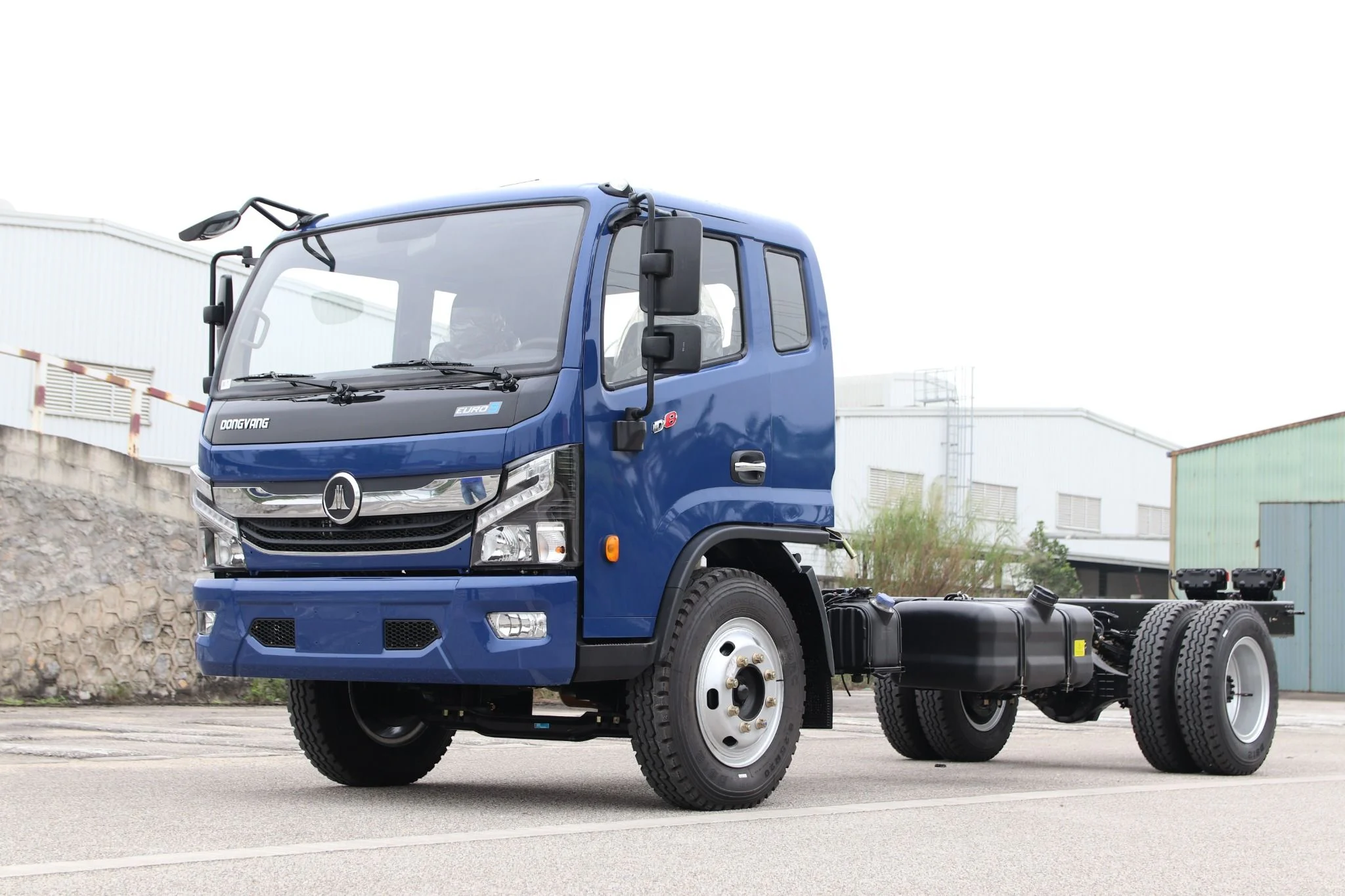
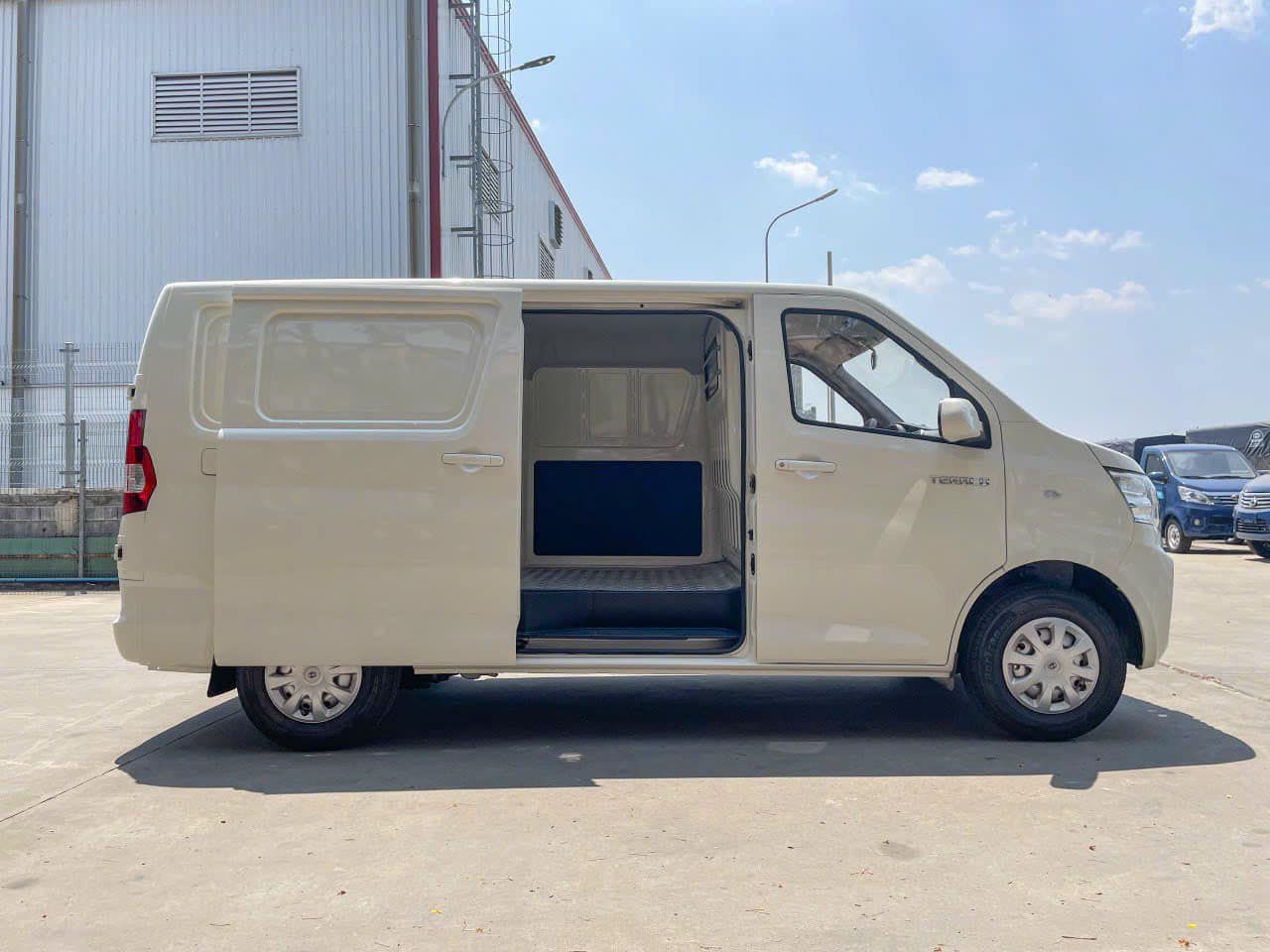
Besides insightful information on license plates, “XE TẢI HÀ NỘI” also provides comprehensive knowledge about various truck models, from box trucks and light trucks to vans and trucks with capacities of 1 ton, 2 tons, 3.5 tons, and 8 tons.
Are you unsure about choosing the right vehicle for your needs? Don’t hesitate to contact us at: 0968239999, Email: [email protected] or visit us directly at: TT36 – CN9 Road, Tu Liem Industrial Zone, Phuong Canh Ward, Nam Tu Liem District, Hanoi. “XE TẢI HÀ NỘI” is always ready to accompany you on every journey!
You can also learn more about Hai Phong license plates or motorcycle registration in Nghe An on our website.