“A stitch in time saves nine” – this proverb rings true, especially for those who own a motorcycle that has been a loyal companion for years. To keep your “road buddy” running smoothly, regular maintenance is essential. Motorcycle valves play a crucial role in engine performance and longevity. What exactly are motorcycle valves? Why are they so important? This article will answer all your questions!
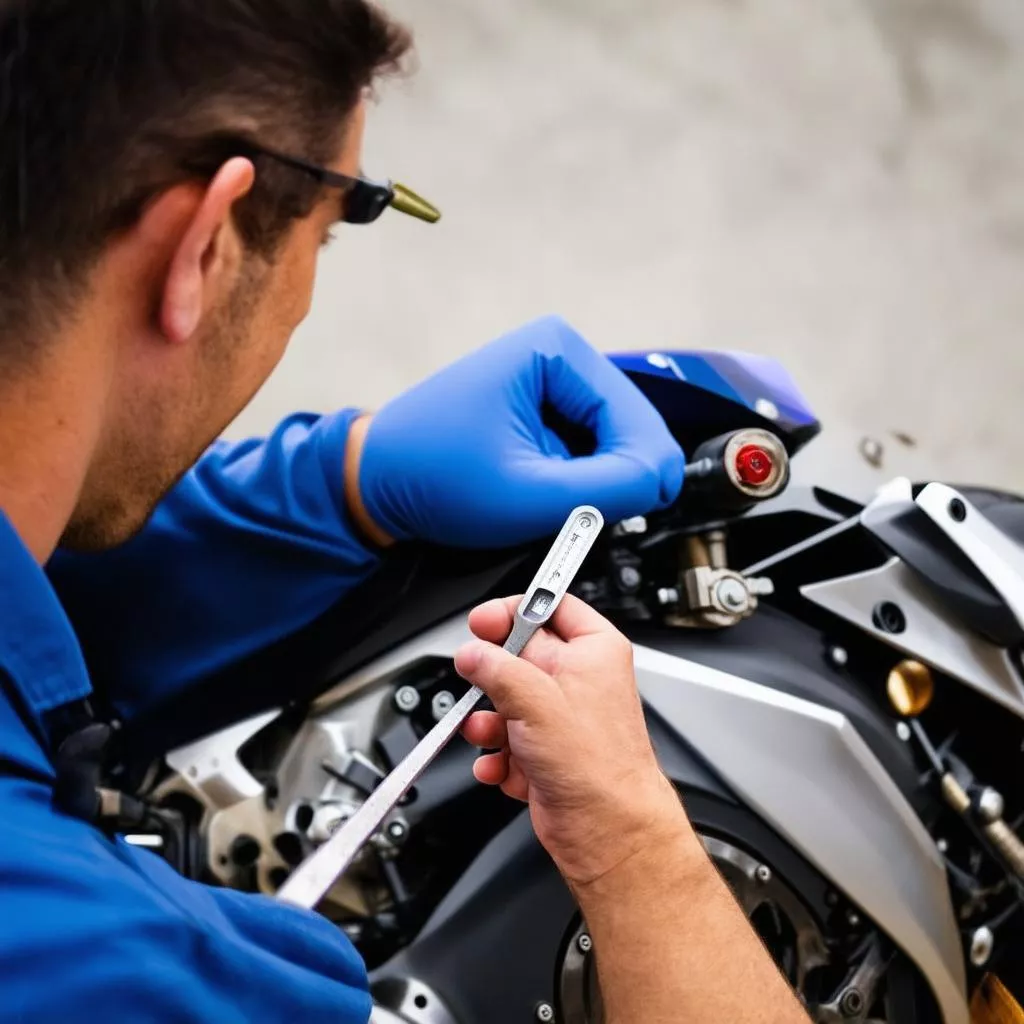
Motorcycle valve inspection
1. What are Motorcycle Valves?
The term “motorcycle valves” is frequently used online, especially in forums like Voz, when searching for information about this essential engine component. Voz is a large online forum with a community of knowledgeable users passionate about vehicles and mechanics. Using this term reflects the trust placed in the Voz community’s knowledge and experience in motorcycle selection, repair, and maintenance.
2. The Role of Motorcycle Valves
Motorcycle valves control the intake and exhaust ports of the engine, ensuring that fuel intake and exhaust expulsion occur at the correct time for efficient combustion.
If the motorcycle engine is like the heart, the valves are the “heart valves,” regulating the flow of energy “blood.”
2.1. When Motorcycle Valves Malfunction
When motorcycle valves are worn, warped, or stuck, the engine can experience several issues:
- Reduced Engine Power: The bike feels sluggish, lacks power, and struggles to accelerate.
- Increased Fuel Consumption: The engine operates inefficiently, consuming more fuel.
- Difficulty Starting: Incorrect valve operation makes starting the engine difficult, especially when cold.
- Noise: A clattering or ticking sound emanates from the engine, particularly during acceleration.
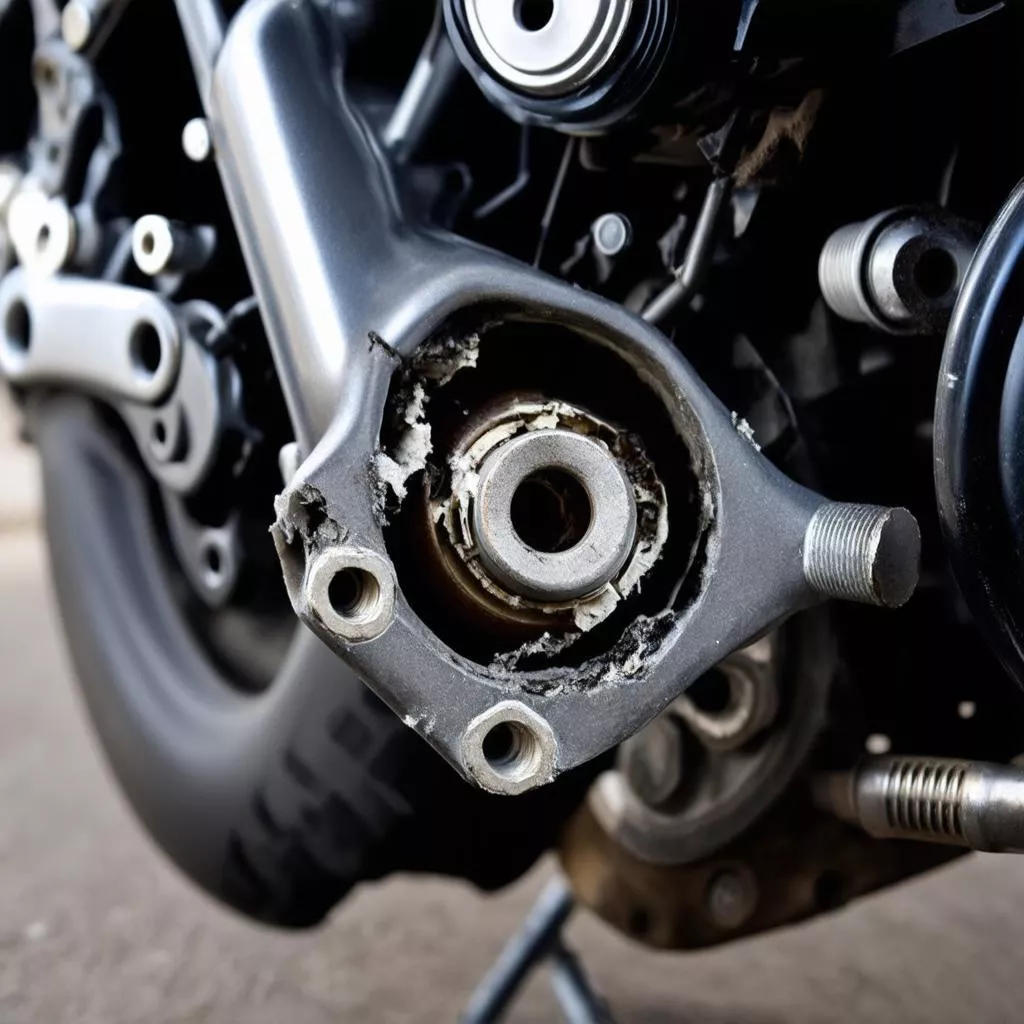 Damaged motorcycle valve
3. Common Types of Motorcycle Valves
There are two common types of motorcycle valves available on the market:
- Standard Motorcycle Valves: Made from durable steel alloy, these valves are cost-effective.
- High-Performance Motorcycle Valves: Constructed from premium materials like titanium, these valves are lightweight, durable, heat-resistant, and enhance engine performance.
4. Frequently Asked Questions about Motorcycle Valves
4.1. When Should Motorcycle Valves Be Replaced?
Experts recommend inspecting and replacing motorcycle valves every 20,000 – 30,000 km or when unusual symptoms appear, such as loud engine noise, reduced power, or increased fuel consumption.
4.2. How Much Does it Cost to Replace Motorcycle Valves?
The cost of replacing motorcycle valves depends on the valve type, motorcycle model, and the mechanic’s labor charges.
4.3. Where Can I Find a Reliable Place to Replace Motorcycle Valves?
Choose a reputable motorcycle repair shop with experienced mechanics to replace your valves to avoid costly mistakes.
5. Tips for Maintaining Motorcycle Valves
- Regularly inspect and clean motorcycle valves.
- Use high-quality motorcycle oil that meets the bike’s specifications.
- Avoid prolonged high-speed riding.
- Schedule regular maintenance at authorized service centers.
6. Related Questions
- Signs of a faulty spark plug in a motorcycle?
- How to clean fuel injectors on a motorcycle at home?
- Tips for buying a used motorcycle?
7. Product Suggestions
8. Conclusion
Motorcycle valves are small but crucial components of the engine. Understanding their function and maintenance requirements will help extend the life of your beloved bike and ensure safe riding. If you have any questions, contact the Xe Tải Hà Nội team for 24/7 support. And remember, for all your truck needs, contact XE TẢI HÀ NỘI Dealership or call our Hotline: 0968 239 999 for the best assistance!









