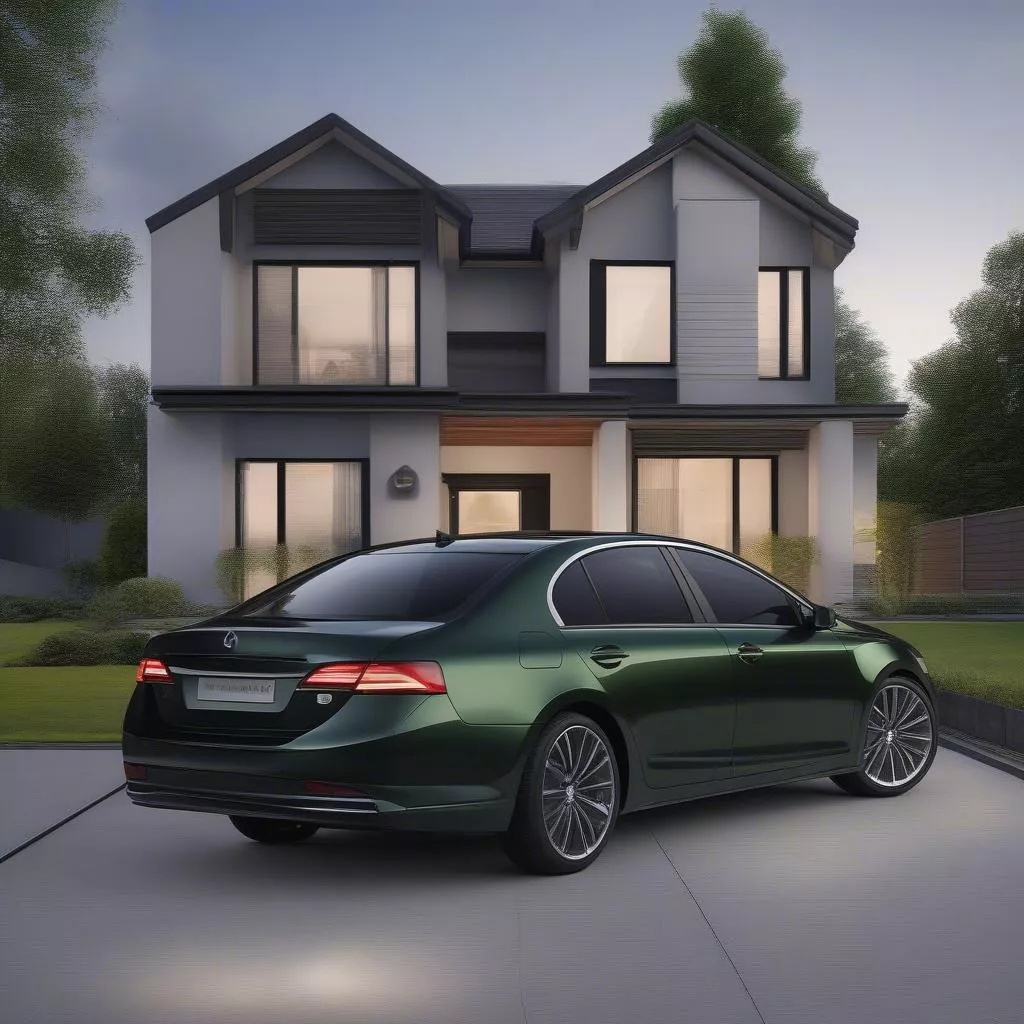
“The right vehicle for the right purpose” – This age-old saying remains relevant, especially in today’s modern traffic. Classifying cars by their intended use not only simplifies traffic management and operation but also helps individuals choose the most suitable vehicle for their personal and family needs.
So, how are cars specifically classified? Let’s delve into the details with XE TẢI HÀ NỘI in the following article.
Car Classification by Intended Use
According to Circular No. 15/2014/TT-BGTVT, cars are divided into four main categories based on their intended use:
1. Passenger Cars
1.1. Passenger Cars:
- Description: Passenger cars are designed to carry 2 to 9 people (including the driver) and are typically used for personal and family transportation.
- Uses: Commuting, traveling, business trips, etc.
- Advantages: Compact, easy to maneuver in urban areas, fuel-efficient.
- Disadvantages: Limited cargo space, low off-road capability.
- Price: Varies widely, from a few hundred million to billions of VND depending on the brand and model.
1.2. Buses:
- Description: Buses are designed to carry 9 or more passengers and are commonly used for public transportation.
- Uses: Public transportation within cities and between provinces.
- Advantages: High passenger capacity, contributes to reducing traffic congestion.
- Disadvantages: Bulky, difficult to maneuver during peak hours.
- Price: Depends on the number of seats and onboard equipment.
2. Cargo Vehicles
2.1. Trucks:
- Description: Trucks are designed with a dedicated cargo bed to transport goods, with varying load capacities from a few hundred kilograms to tens of tons.
- Uses: Transporting goods within cities and between provinces.
- Advantages: Large cargo capacity, meets diverse transportation needs.
- Disadvantages: Bulky, restricted access on certain routes and during specific hours.
- Price: Depends on the load capacity, cargo bed size, and brand.
2.2. Specialized Vehicles:
- Description: Designed and equipped with specialized equipment for specific tasks.
- Uses: Fire trucks, ambulances, cranes, tanker trucks, garbage trucks, etc.
- Advantages: Meets specific needs, high efficiency.
- Disadvantages: High investment and maintenance costs.
- Price: Depends on the type of vehicle and specialized equipment.
Family Car
3. Tractor Trailers
- Description: Vehicles designed to tow one or more trailers or semi-trailers.
- Uses: Transporting large, oversized, and overweight cargo.
- Advantages: Superior cargo transportation capabilities.
- Disadvantages: Requires high driving skills and suitable traffic infrastructure.
- Price: Generally very expensive.
4. Self-Assembled Vehicles
- Description: Vehicles assembled or manufactured by individuals or organizations.
- Uses: Varies depending on the purpose of fabrication.
- Advantages: Low cost, suitable for individual needs.
- Disadvantages: Difficulties in registration and inspection, potential safety risks.
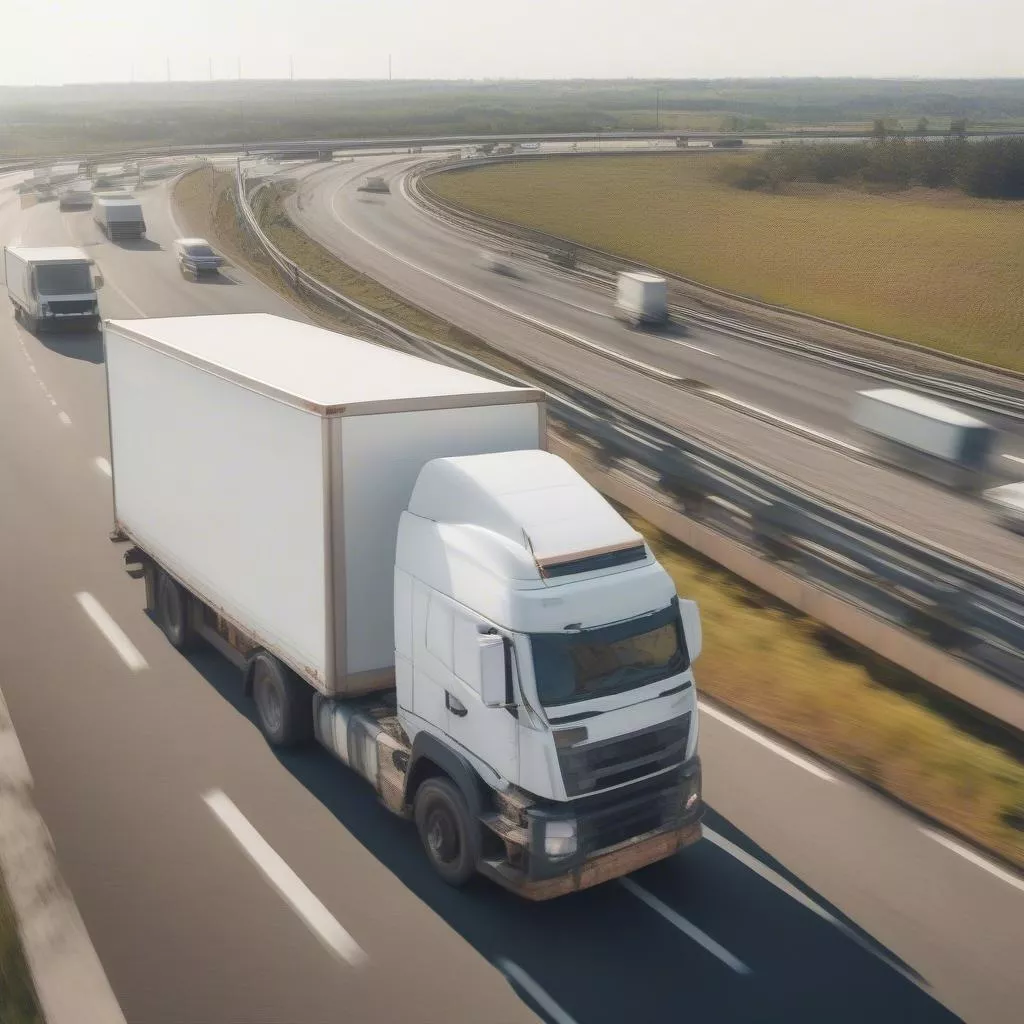 Cargo Truck
Car Price List (Reference)
| Vehicle Type | Segment | Reference Price |
|---|---|---|
| Passenger Car | Segment A | From 300 million VND |
| Segment B | From 400 million VND | |
| Segment C | From 500 million VND | |
| Segment D | From 700 million VND | |
| Segment E | From 1 billion VND | |
| Truck | Light Truck | From 200 million VND |
| Medium Truck | From 500 million VND | |
| Heavy Truck | From 1 billion VND |
Considerations When Choosing a Car
- Clearly define the intended use.
- Consider your financial situation.
- Thoroughly research the vehicle’s specifications and features.
- Choose a reputable dealer.
Frequently Asked Questions
1. I want to buy a truck to transport goods within Hanoi’s inner city. Which type of truck should I choose?
Answer: You should choose a light truck with a load capacity under 2.5 tons to be permitted to operate within Hanoi’s inner city. You can explore truck models from Hyundai, Isuzu, Thaco, etc., at XE TẢI HÀ NỘI.
2. Is a 7-seater passenger car considered a bus?
Answer: No. A 7-seater passenger car is still classified as a passenger car because its primary purpose is to transport people for family and personal use.
How to Buy a Car at XE TẢI HÀ NỘI
To purchase a car at XE TẢI HÀ NỘI, you can do the following:
- Call our hotline: 0987.654.321.
- Visit XE TẢI HÀ NỘI’s showroom at: No. 1, Giai Phong Street, Hai Ba Trung District, Hanoi.
- Visit our website: xetaihanoi.edu.vn.
About Our Brand
XE TẢI HÀ NỘI is proud to be a provider of genuine, high-quality trucks at the most competitive prices in the market. We are committed to bringing absolute satisfaction to our customers with professional and dedicated service.
Related Products
In addition to trucks, XE TẢI HÀ NỘI also offers other products such as:
- Dump trucks
- Tractor trailers
- Specialized vehicles
Conclusion
Classifying cars by intended use is essential for convenient and efficient traffic management and operation. We hope this article has provided you with useful information on this topic. If you have any further questions, please contact XE TẢI HÀ NỘI for detailed advice.









