1. What is a 6×2 Truck? Advantages, Disadvantages, and Applications
1.1. “6×2”: A Simple Explanation of the Axle Configuration
In the trucking world, each wheel that touches the road is considered an “axle”. “6×2” is a formula that represents the wheel configuration, where:
- 6: The total number of wheels.
- 2: The number of driving wheels, i.e., wheels powered by the engine.
- x: Symbol for the axle.
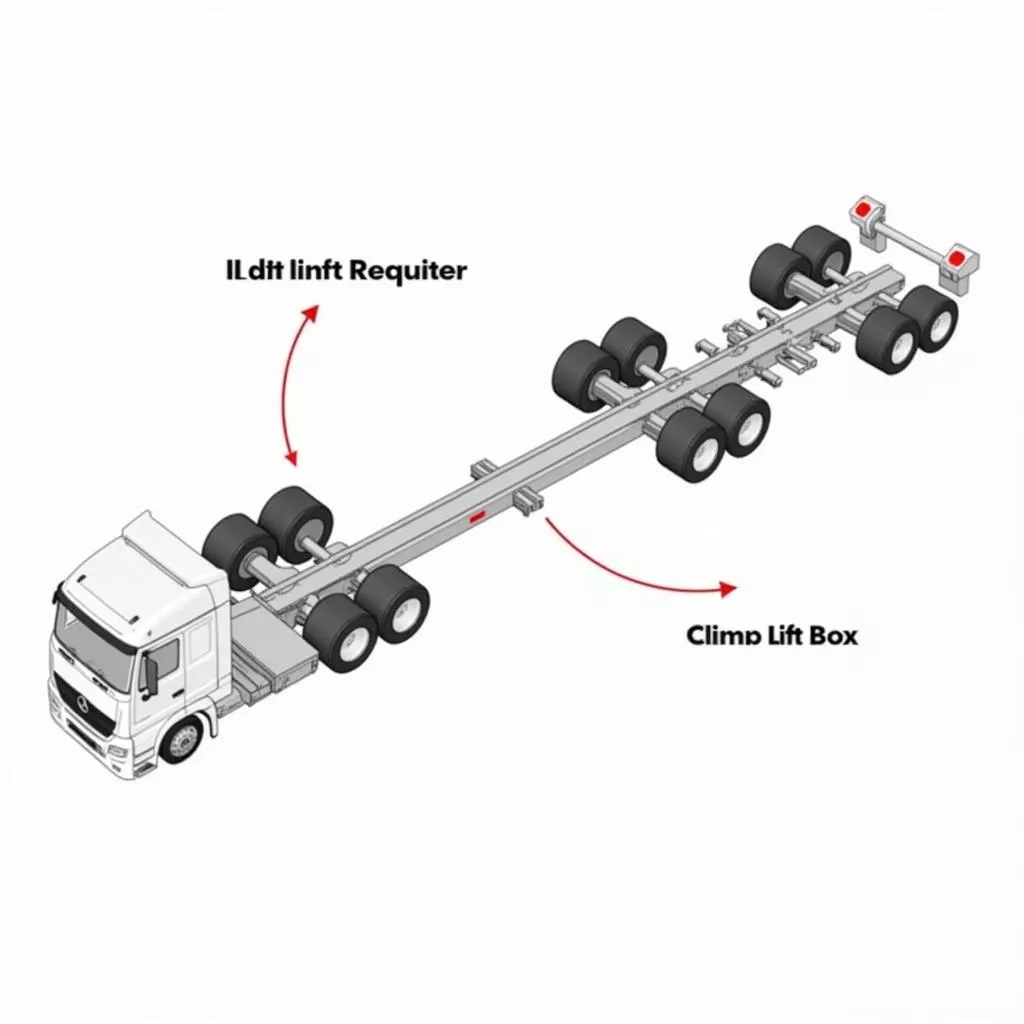
Thus, a 6×2 truck has 3 axles with 2 driving wheels usually located on the rearmost axle. The middle axle with 2 non-driving wheels is called the “lazy” axle, which can be lifted or lowered depending on the load.
6×2 truck axle configuration
1.2. Advantages of 6×2 Trucks
- Fuel efficiency: When unloaded or lightly loaded, the “lazy” axle can be lifted to reduce friction, thereby reducing fuel consumption.
- Increased tire lifespan: Lifting the “lazy” axle reduces tire wear, extending their lifespan and saving replacement costs.
- High load capacity: When the “lazy” axle is lowered, the truck can carry heavier loads compared to a 4×2 truck with the same permissible load.
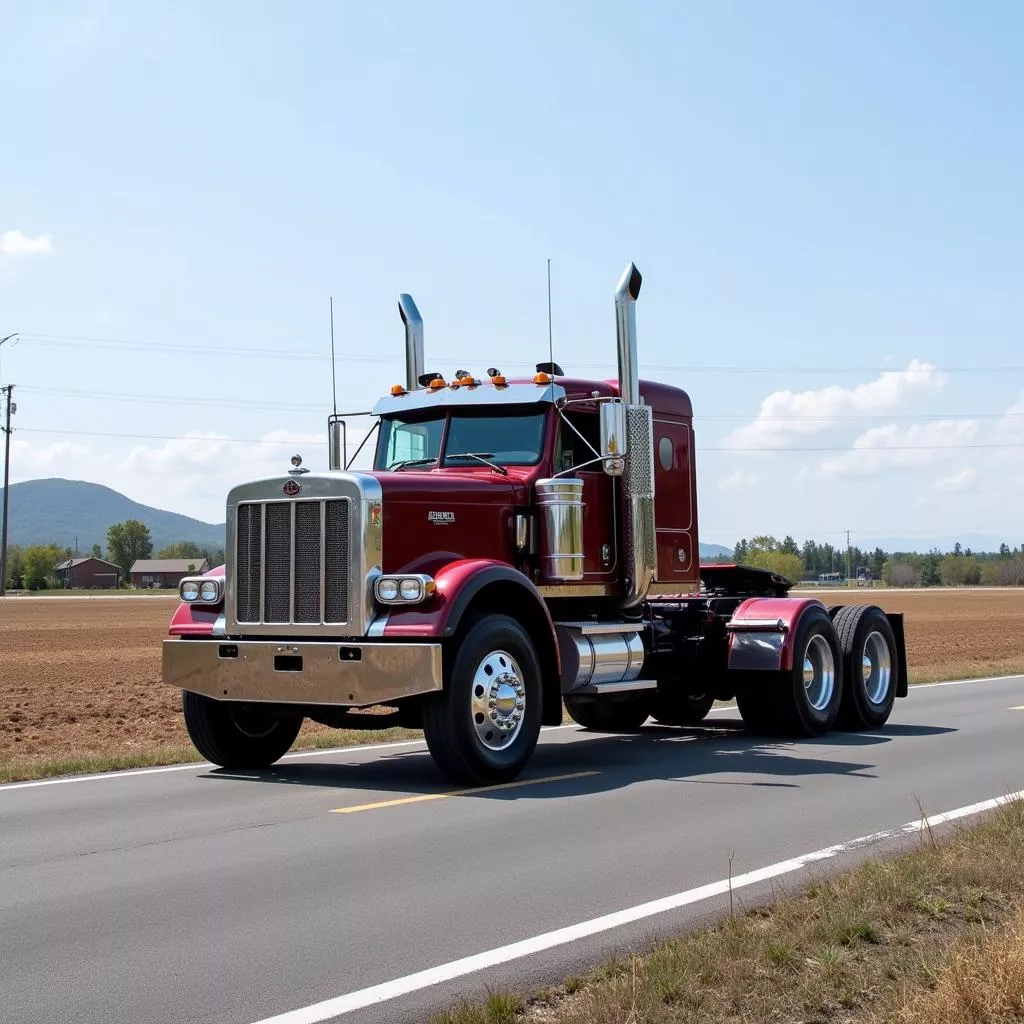 6×2 truck with lifted lazy axle
1.3. Disadvantages to Consider
- Higher cost: Compared to a 4×2 truck in the same segment, a 6×2 truck has a higher selling price due to its complex structure.
- Limited off-road capability: The additional “lazy” axle makes the 6×2 truck less maneuverable in tight spaces or on rough terrain.
1.4. Common Applications of 6×2 Trucks
6×2 trucks are commonly used in long-haul freight transport, requiring the ability to carry heavy loads such as:
- Transportation of industrial goods and agricultural products.
- Transportation of construction materials.
- Transportation of consumer goods such as beer, soft drinks, etc.









