Policies, regardless of their field, require thorough evaluation to ensure effectiveness and relevance. The following 7 criteria provide a valuable framework for analyzing and assessing any policy.
Evaluating policies based on specific criteria is crucial to ensure their effectiveness and alignment with intended goals. These 7 key criteria include effectiveness, efficiency, equity, sustainability, feasibility, transparency, and responsiveness. Each criterion plays a vital role in determining a policy’s success or failure.
Policy Effectiveness
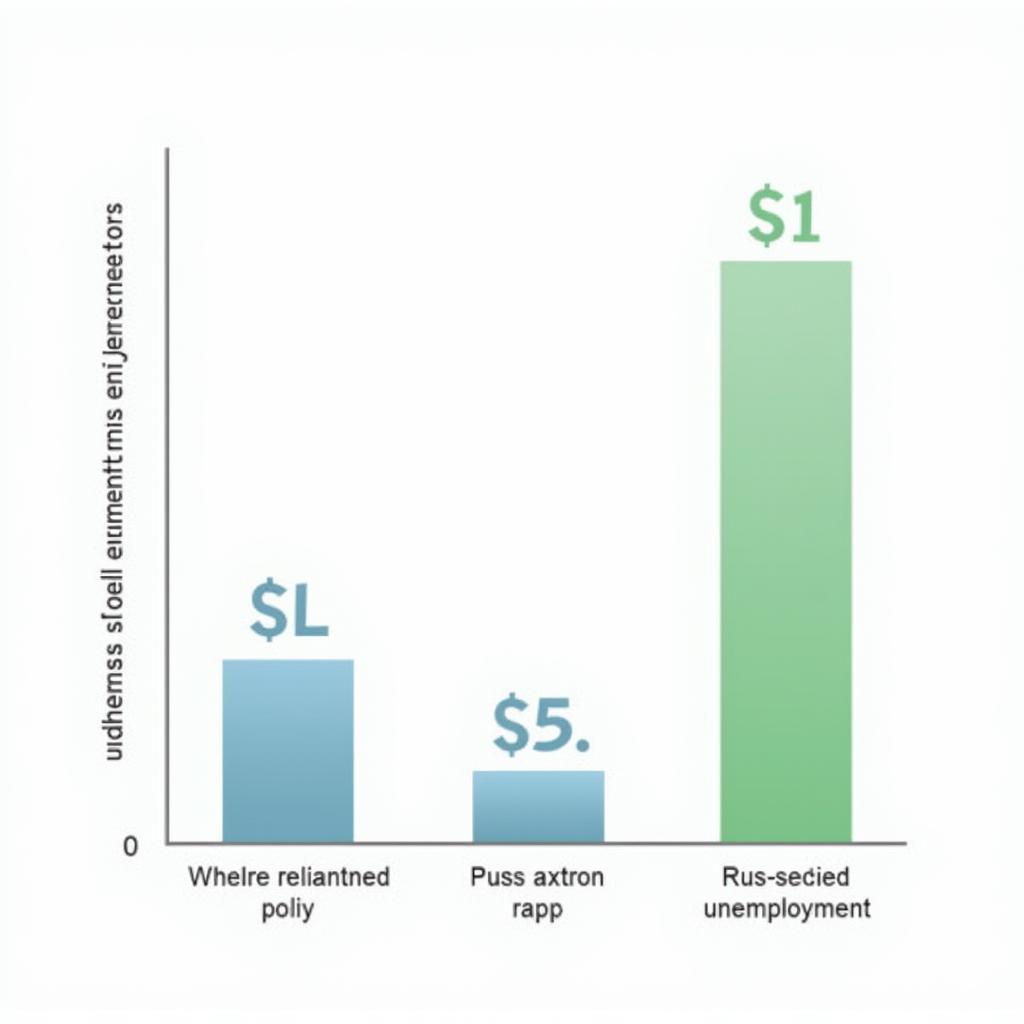
Effectiveness assesses the extent to which a policy achieves its objectives. An effective policy yields desired outcomes and addresses the intended problem. For example, a policy supporting small and medium-sized enterprises is effective when the number of new businesses increases and the unemployment rate decreases.
Evaluating policy effectiveness
Policy Efficiency
Efficiency focuses on whether a policy is implemented as originally designed. A policy might be effective in theory but inefficient in practice due to lack of resources, poor coordination, or corruption.
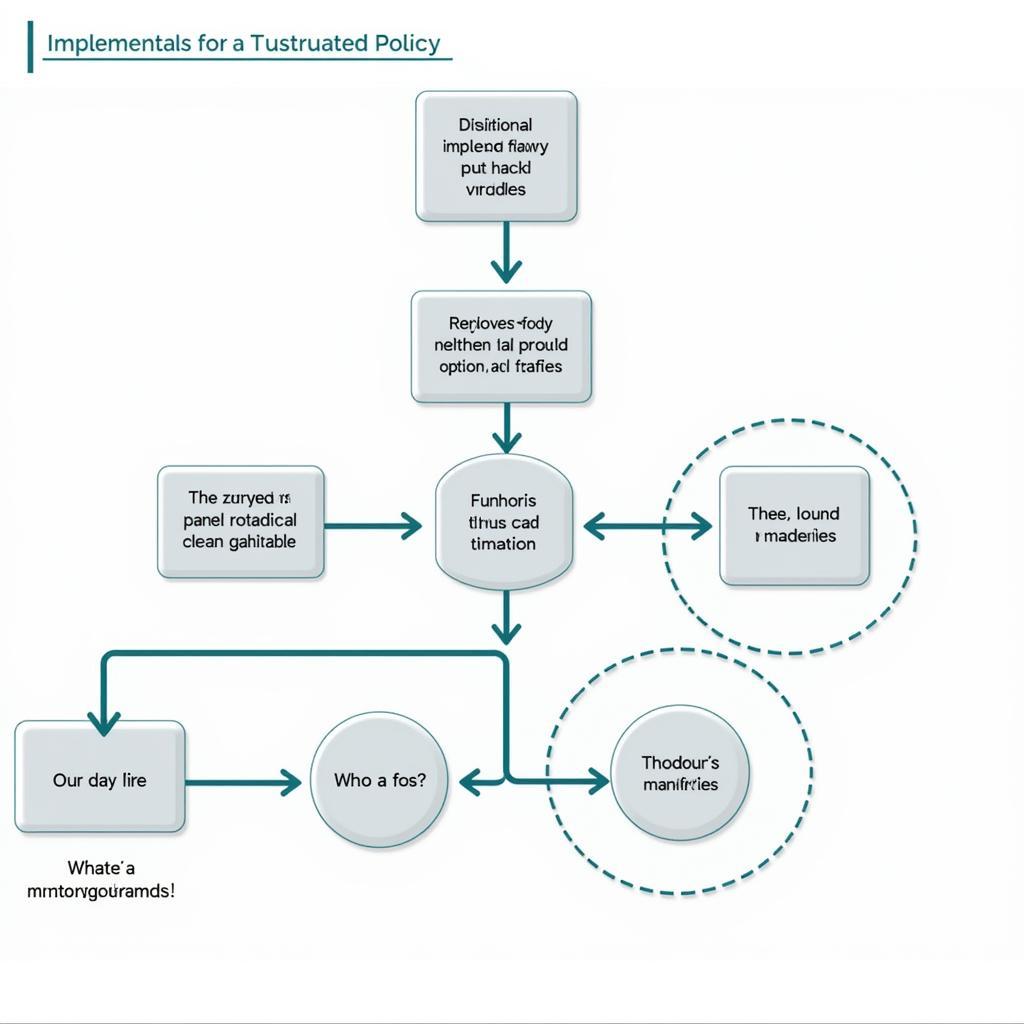 Evaluating policy efficiency
Policy Equity
Equity examines whether a policy distributes benefits and burdens fairly among all stakeholders. A fair policy ensures that no group faces discrimination or disadvantage. For example, policies for families of war veterans must guarantee equitable treatment.
Policy Sustainability
Sustainability assesses a policy’s ability to maintain its effectiveness over the long term. A sustainable policy avoids negative environmental, economic, or social impacts in the future.
Policy Feasibility
Feasibility considers whether a policy can be implemented under current conditions, including resources, technology, and administrative capacity. A feasible policy must be realistic and implementable effectively. For instance, new policies in Australia should be evaluated for feasibility before implementation.
Policy Transparency
Transparency requires that the policy development and implementation processes be open and accessible to the public. Transparency enhances accountability and minimizes corruption risks. The implementation of public policies in Vietnam is always a subject of interest and evaluation.
Policy Responsiveness
Responsiveness evaluates a policy’s ability to adapt to changes in the environment and societal needs. A responsive policy can adjust and improve over time. For example, scholarship policies at Da Nang University of Technology demonstrate responsiveness to student needs.
 Evaluating policy responsiveness
Conclusion
These 7 policy evaluation criteria provide a comprehensive framework for assessing the effectiveness and suitability of any policy. Applying these criteria helps ensure that policies achieve their objectives and benefit society.
FAQ
- How do you evaluate the effectiveness of a policy?
- Why is transparency important in policy evaluation?
- What is meant by policy sustainability?
- How can fairness be ensured in policy development?
- What is the role of feasibility in policy evaluation?
- What does policy responsiveness mean?
- How can these 7 criteria be applied in practice?
Common Scenarios and Questions
- Scenario 1: A new policy is enacted but fails to achieve the desired results. The question is why this policy is ineffective.
- Scenario 2: A policy seems effective but negatively impacts a specific group of people. The question is how to ensure policy equity.
- Scenario 3: A well-designed policy cannot be implemented in practice. The question is why this policy is not feasible.
Further Questions to Consider
- How to balance the different policy evaluation criteria?
- What is the role of the public in policy evaluation?
Related Articles on Our Website
- Implementation of Public Policies in Vietnam.
- New Policies in Australia.
Contact Us for Support
Phone: 0968239999, Email: [email protected] Or visit us at: TT36 – CN9 Road, Tu Liem Industrial Zone, Phuong Canh Ward, Nam Tu Liem District, Hanoi. We have a 24/7 customer support team.









