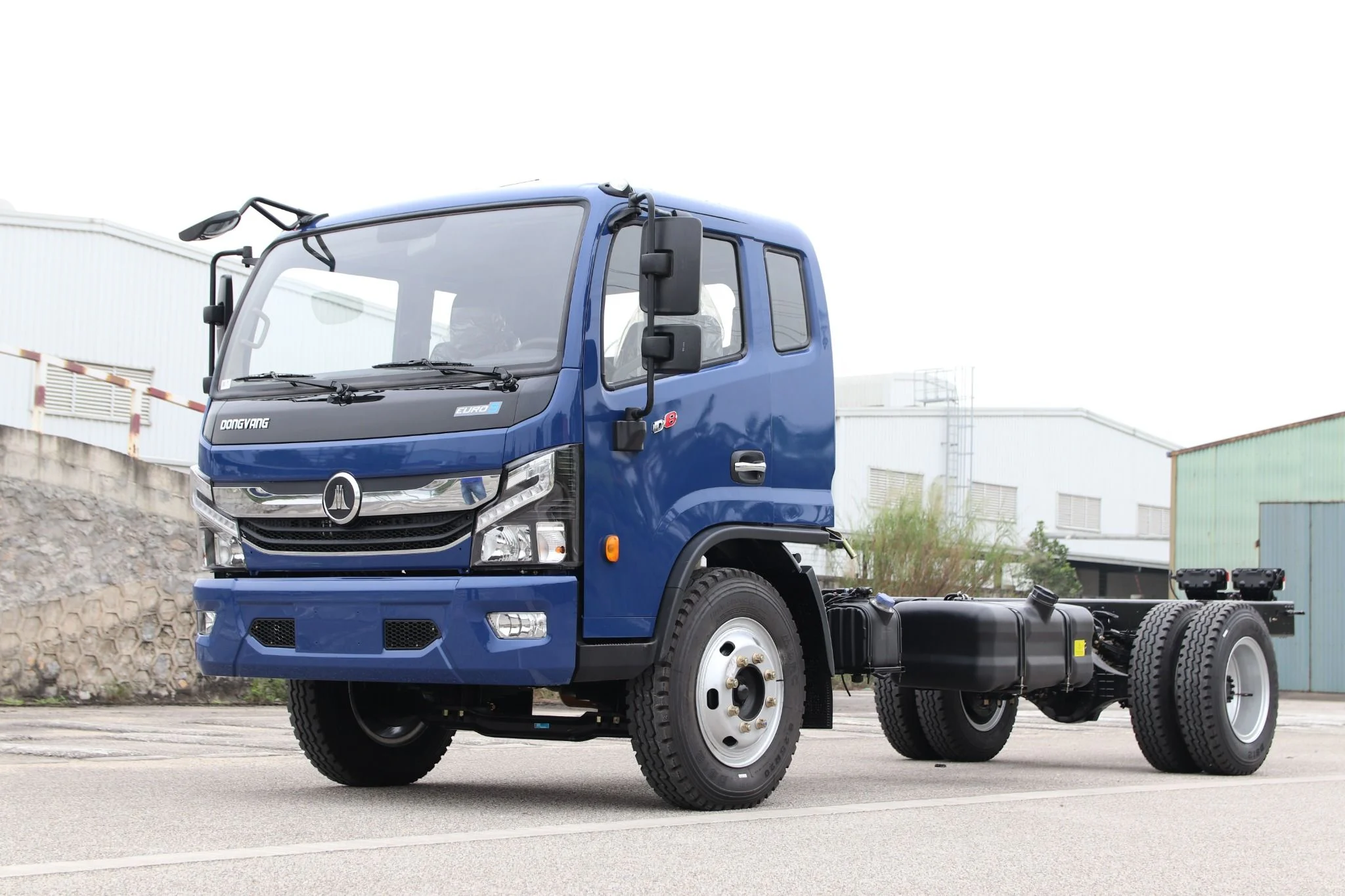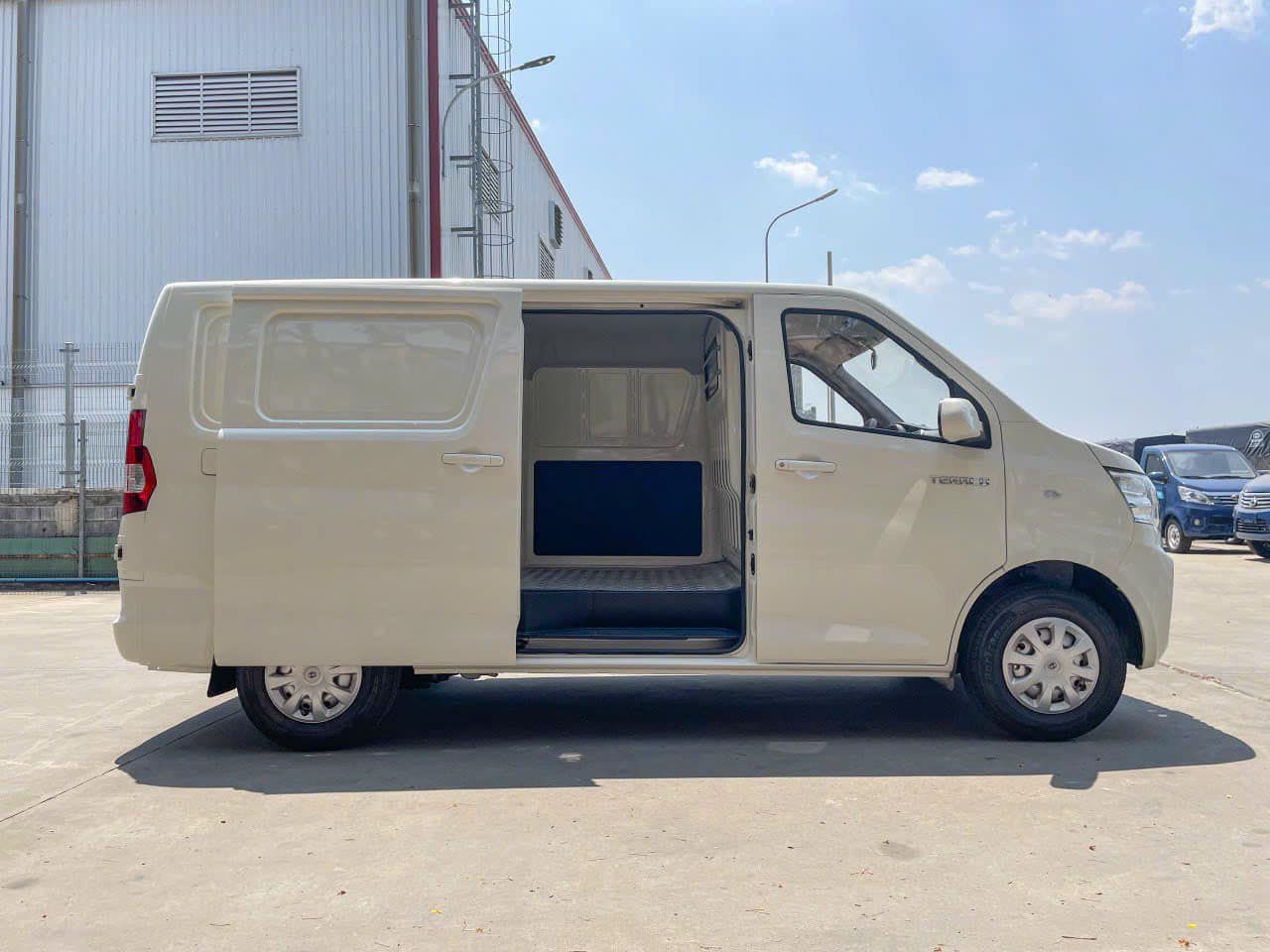
“A stitch in time saves nine,” as the saying goes. For hardworking trucks that ply the roads day and night, proper maintenance is crucial, and tire pressure is one of the most important factors.
What is Tire Pressure and Why Does it Matter?
Tire pressure refers to the amount of air inside a tire, usually measured in PSI (pounds per square inch) or bar. Proper tire pressure ensures even contact between the tire and the road surface, contributing to stable handling, safety, and fuel efficiency.
Imagine a fully loaded truck traveling from Nguyen Trai Street, Ha Dong to Cao Bang. Underinflated tires with a larger contact patch will cause the truck to become sluggish and consume more fuel. Conversely, overinflated tires will make the ride bumpy, increase the risk of blowouts, and pose significant dangers.
Standard Truck Tire Pressure Chart
| Truck Type | Front Tire Pressure (PSI) | Rear Tire Pressure (PSI) |
|---|---|---|
| Light Truck (under 2 tons) | 35 – 40 | 35 – 40 |
| Medium Truck (2 – 5 tons) | 60 – 70 | 50 – 60 |
| Heavy Truck (over 5 tons) | 80 – 90 | 70 – 80 |
Note: Tire pressure may vary depending on load, tire type, and manufacturer recommendations.
Truck tire pressure check
Tips for Checking and Inflating Truck Tires
- Check tire pressure regularly: Check tire pressure at least once a month or before any long trips.
- Use an accurate tire pressure gauge: Avoid using low-quality gauges that are prone to inaccurate readings.
- Inflate tires when cold: Tire pressure increases when the vehicle is running due to friction and heat buildup.
- Do not overinflate or underinflate tires: Always follow the manufacturer’s recommendations.
- Check and replace tire valves regularly: Tire valves also have a limited lifespan and should be replaced when necessary.
Frequently Asked Questions about Tire Pressure
1. What are the effects of low tire pressure?
Low tire pressure leads to increased fuel consumption, reduced tire lifespan, decreased braking performance, and a higher risk of blowouts.
2. What are the effects of high tire pressure?
High tire pressure reduces road grip, causes a rough ride, shortens tire lifespan, and increases the risk of blowouts.
3. What type of gas should be used to inflate truck tires?
Nitrogen is recommended for inflating truck tires because it helps keep tires cooler and maintains more stable pressure compared to regular compressed air.
Where to Buy Quality Trucks in Hanoi?
XE TẢI HÀ NỘI is a reputable provider of high-quality trucks that meet all transportation needs. Visit our showroom at [showroom address] or contact our hotline [phone number] for detailed consultation.
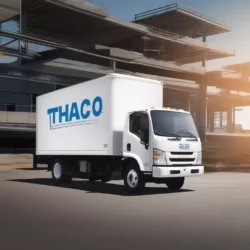
 Modern trucks in Hanoi
Related Products
In addition to trucks, XE TẢI HÀ NỘI also offers dump trucks, tractor trucks, and specialized vehicles.
Conclusion
Tire pressure is a critical factor that directly impacts the safety and efficiency of your truck. Be a smart owner and regularly check and maintain proper tire pressure for your vehicle.