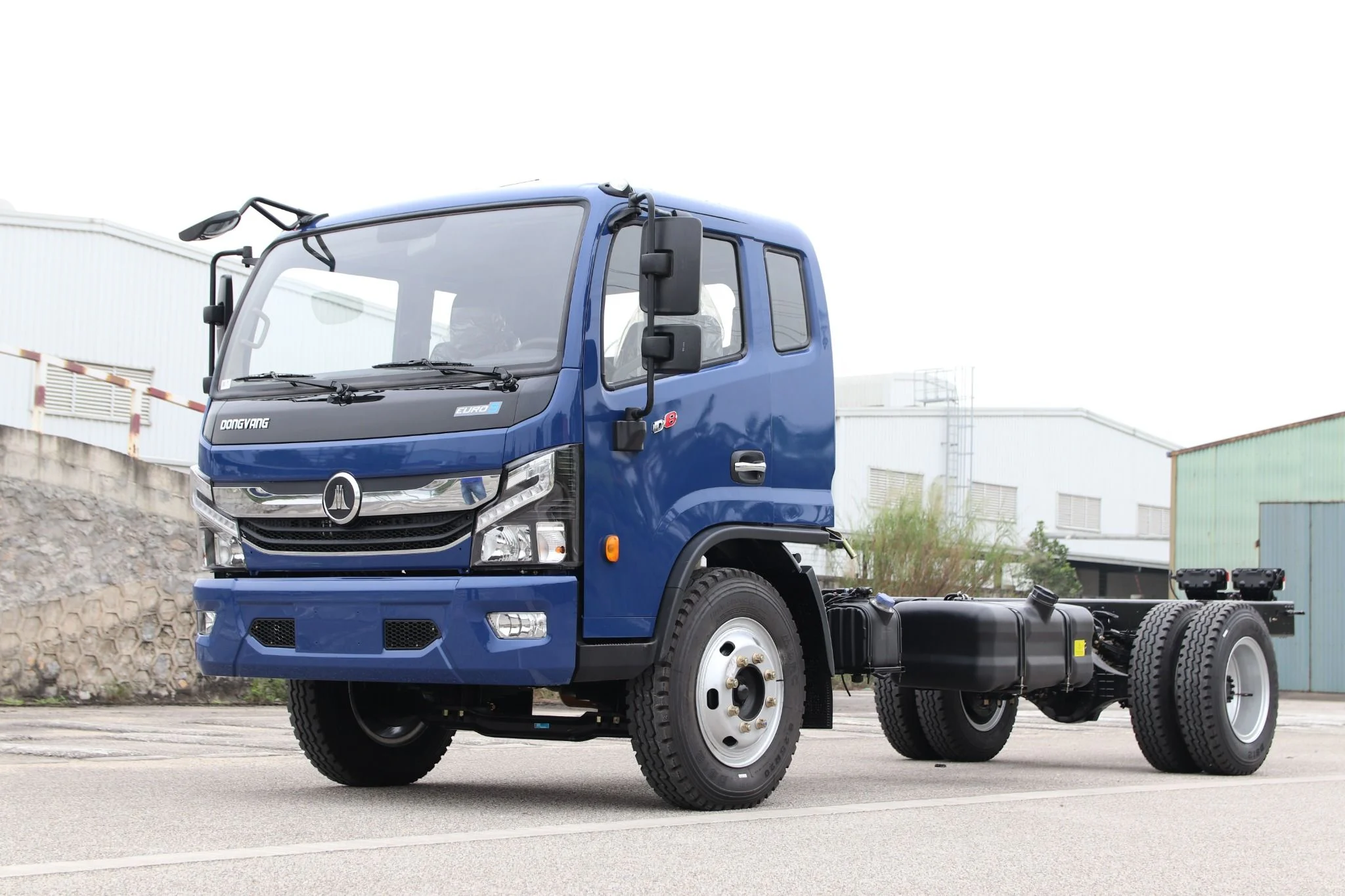
Mr. Ba, owner of a construction material shop on Nguyen Trai Street, Hanoi, recently purchased a new Dongfeng truck. Everyone admired his beautiful and “lucky” truck, but after only a few months, it started malfunctioning, making it difficult to shift gears and emitting strange noises from the engine. He took the truck to his trusted mechanic on Le Van Luong Street and was told the problem was with the truck’s clutch.
Mr. Ba’s story is not uncommon, especially for those who frequently use trucks. So, what is a truck clutch? What role does it play in the vehicle’s drivetrain? Let’s delve into the details with XE TẢI HÀ NỘI in this article.
What is a Truck Clutch?
Definition and Function
A truck clutch, also known as a clutch plate or disc, is a crucial component of the vehicle’s clutch system. Its primary function is to connect and disconnect the engine from the transmission, allowing for smooth starting and stopping of the vehicle.
Structure and Operating Principle
A truck clutch typically consists of three main parts:
- Pressure Plate: Usually made of hardened steel, it protects the internal components and connects to the engine flywheel.
- Clutch Disc: Located inside the pressure plate, it’s made of high-friction material. When the clutch is engaged, the friction disc firmly presses against the flywheel, transmitting torque from the engine to the transmission.
- Diaphragm Spring: This provides the clamping force between the friction disc and the flywheel.
When you press the clutch pedal, the diaphragm spring releases pressure on the friction disc, separating the engine and transmission, allowing you to shift gears or stop the vehicle. Conversely, when you release the clutch pedal, the diaphragm spring presses the friction disc against the flywheel, connecting the engine and transmission, and transferring power to move the vehicle.
Car clutch diagram
The Role of the Clutch in the Drivetrain
The clutch is a vital link in the vehicle’s drivetrain, ensuring the following functions:
- Smooth Starts: The clutch allows for a gradual connection between the engine and transmission, preventing jerky movements when starting.
- Seamless Gear Shifting: Disconnecting and reconnecting the engine and transmission during gear changes is facilitated by the clutch, ensuring smooth shifting without damaging the gearbox.
- Engine and Transmission Protection: In case of overloading or other issues, the clutch acts as a safety device, disconnecting the engine and transmission to prevent damage.
Common Types of Truck Clutches
Currently, there are two common types of truck clutches on the market:
- Coil Spring Clutch: This type has a simple design and lower cost, often used in light trucks such as Thaco Towner and Suzuki Carry.
- Diaphragm Spring Clutch: This type has a more complex structure, higher load capacity, and greater durability, commonly used in heavy-duty trucks like Hyundai HD, Hino, and Isuzu.
When to Replace a Truck Clutch
A truck clutch has a relatively long lifespan. However, due to various factors during operation, it can wear out, become damaged, and require replacement. Here are some signs indicating a potential clutch problem:
- Jerky Starts: This is a common sign of a worn clutch, where the friction disc no longer grips the flywheel effectively.
- Soft Clutch Pedal, Clutch Slipping: This suggests a weakened diaphragm spring, unable to provide sufficient clamping force.
- Unusual Noises When Shifting or Releasing the Clutch: This could indicate a damaged release bearing.
- Weak Acceleration, Difficulty in Speeding Up: A worn clutch reduces power transfer from the engine to the transmission, leading to sluggish acceleration.
If your vehicle exhibits these signs, take it to a reputable garage for inspection and timely clutch replacement.
Damaged car clutch