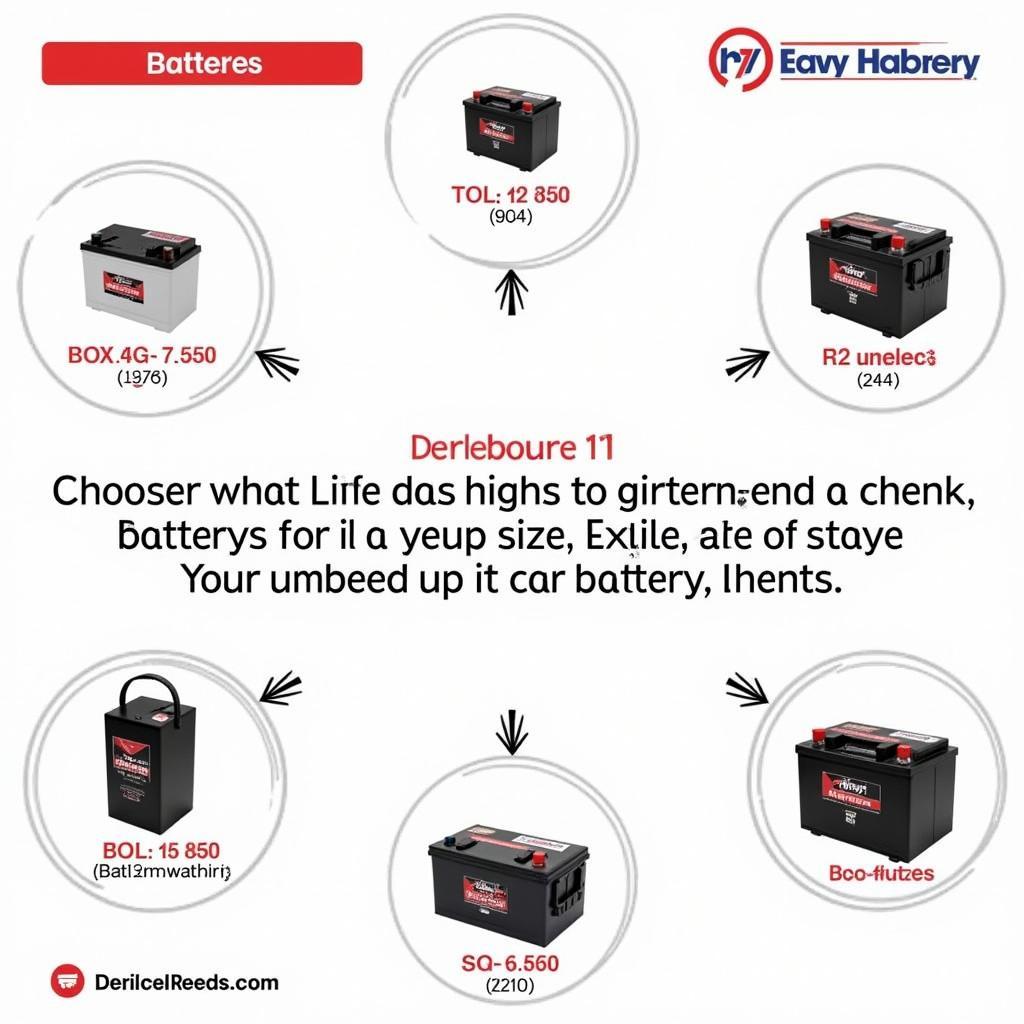
A car battery is a crucial component that powers the starting system, lights, and other electronic devices in your vehicle. Choosing and maintaining the right car battery ensures optimal vehicle performance and extends its lifespan.
Common Types of Car Batteries
There are three main types of car batteries available on the market: flooded batteries, maintenance-free (MF) batteries, and absorbed glass mat (AGM) batteries. Each type has its own advantages and disadvantages, making it suitable for different vehicles and needs. Flooded batteries are affordable and easy to maintain but require regular water checks and refills. MF batteries are maintenance-free and have a longer lifespan than flooded batteries but are more expensive. AGM batteries offer high performance, fast recovery, and are ideal for vehicles with many electronic devices, but they come at the highest cost. Choosing the right battery depends on your needs and budget. Following this introduction, we’ll delve deeper into each type. Learn more about car jump starters to be prepared for battery emergencies.
Choosing the Right Car Battery
When choosing a car battery, consider technical specifications such as capacity, cold cranking amps (CCA), and size. Battery capacity is measured in Ah (Ampere-hour) and indicates the battery’s ability to supply power. CCA represents the current a battery can deliver at -18 degrees Celsius, reflecting its starting capability in cold weather. The battery size must fit the battery compartment in your vehicle. Additionally, choose reputable battery brands to ensure quality and longevity.
Choosing the right car battery
Proper Car Battery Maintenance
To extend the life of your car battery, regular maintenance is essential. For flooded batteries, check the electrolyte level frequently and top it off with distilled water when necessary. Avoid letting the battery run dry or overfilling it. MF and AGM batteries require minimal maintenance; simply clean the terminals and check the connections. Additionally, avoid leaving your car in the ACC mode for extended periods when the engine is off and limit the use of electronic devices when the engine is not running. Refer to our guide on car battery jump starting for troubleshooting a weak battery.
Signs of a Failing Car Battery
Several signs indicate a potential problem with your car battery, including difficulty starting the engine, dim headlights, a weak horn, and malfunctioning electronic devices. If you encounter these signs, have your battery checked and replaced if necessary. Don’t delay, as this can affect your vehicle’s operation and cause unnecessary inconvenience.
When to Replace Your Car Battery
The average lifespan of a car battery is about 2-3 years. However, this can vary depending on usage and maintenance. When your battery is old or shows signs of failure, replace it promptly to ensure safety and optimal vehicle performance. You can also refer to our article on car batteries for a better understanding of different battery types and choosing the right one. Learn about car sunshades in Binh Duong to protect your car’s interior from heat damage, indirectly extending your battery’s life.
Conclusion
The car battery is a vital component that directly impacts your vehicle’s operation. Choosing, maintaining, and replacing your battery correctly ensures reliable performance, safety, and cost savings.
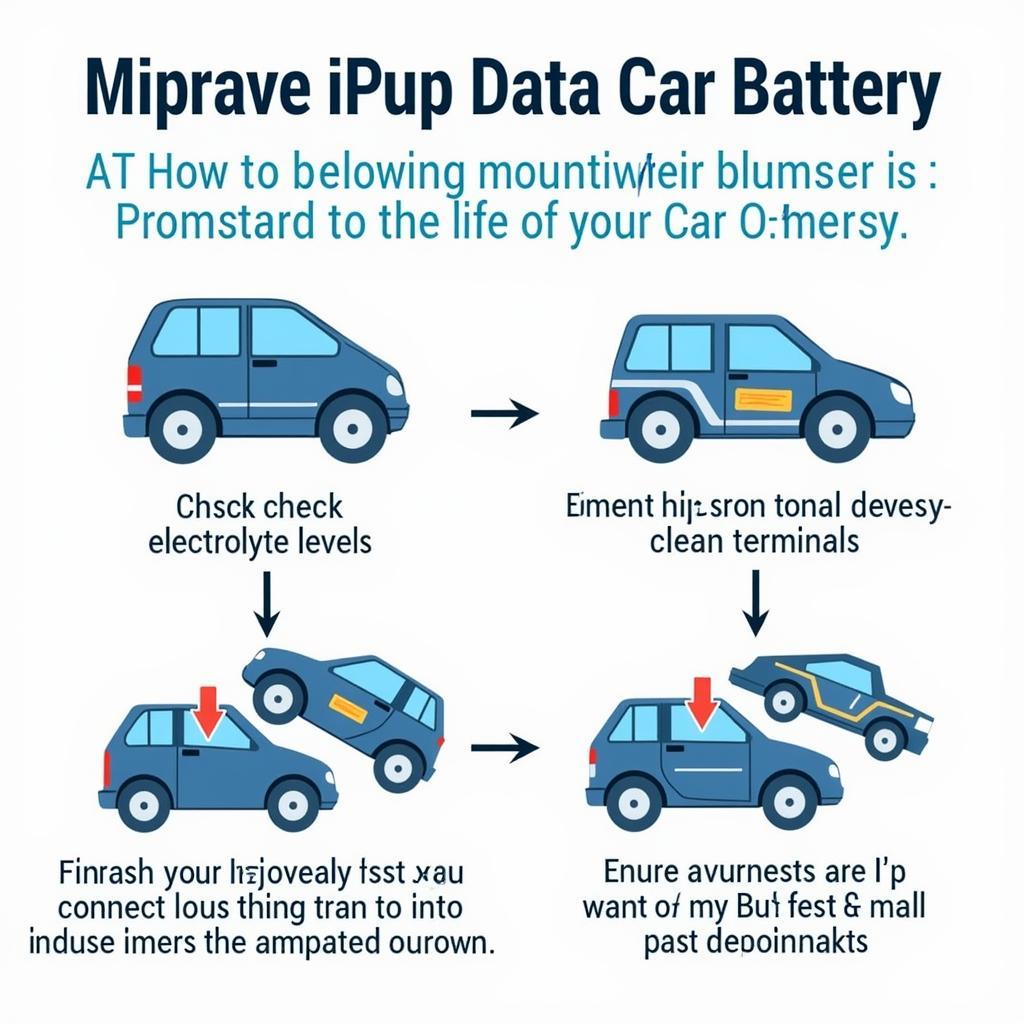 Car battery maintenance
FAQ
- What does a car battery do? The battery powers the starting system, lights, and electronic devices.
- Which type of car battery should I choose? It depends on your car, usage, and budget.
- How do I maintain a car battery? Check electrolyte levels, clean terminals, and connections.
- When should I replace my car battery? When it’s old, damaged, or showing signs of weakness.
- How do I know if my car battery is bad? Difficulty starting, dim lights, weak horn.
- What is the average lifespan of a car battery? Around 2-3 years.
- Can I replace my car battery myself? Yes, but consult a guide or seek professional help.
Common Car Battery Issues and Questions
- Car won’t start: Check the battery for weakness or depletion.
- Dim headlights: Could be due to a weak battery or headlight issues.
- Weak car horn: A weak battery can also cause this.
Suggested Related Articles and Questions
You can find more information on batteries for children’s electric cars if you’re interested in this topic.









