What is Nitrogen Tire Inflation?
Nitrogen tire inflation is the process of replacing regular air in tires with nearly pure nitrogen (N2). Instead of the 78% nitrogen and 21% oxygen found in normal air, nitrogen used for tire inflation has a higher purity, typically above 95%.
Advantages of Nitrogen Tire Inflation
Enhanced Safety and a Smoother Ride
- Reduced risk of tire blowouts: Nitrogen is less susceptible to volume changes due to temperature fluctuations, helping maintain more stable tire pressure, especially in Hanoi’s hot weather. This minimizes the risk of blowouts when driving at high speeds on Ring Road 3 or Nhat Tan Bridge.
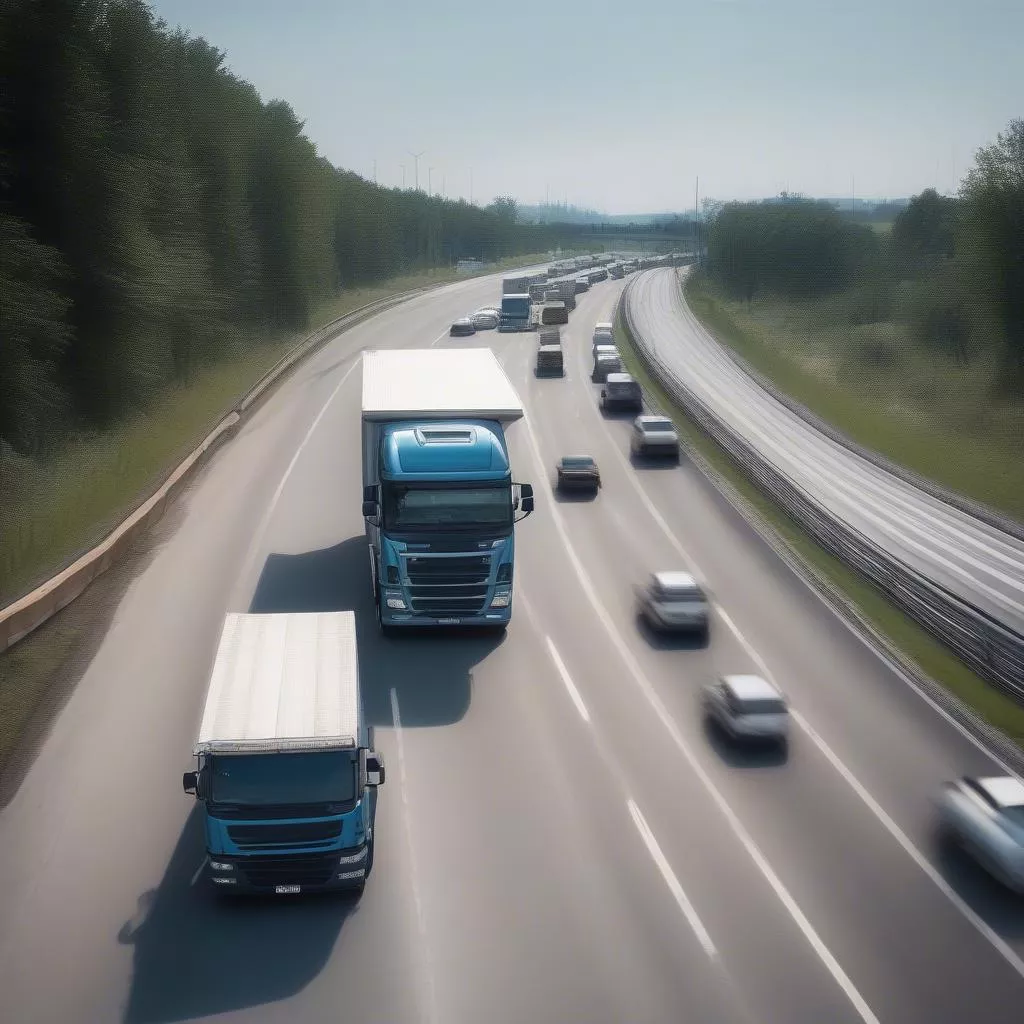
- Smoother operation: Nitrogen facilitates better heat dissipation in tires, reducing friction and vibration, resulting in a smoother and more comfortable driving experience, particularly for heavy trucks frequently transporting bulky goods.
Heavy truck transporting goods
Fuel Efficiency and Extended Tire Lifespan
- Fuel savings: Stable tire pressure reduces rolling resistance, leading to improved fuel efficiency. This is particularly beneficial for truck drivers who regularly travel long distances.
- Increased tire longevity: Nitrogen lacks moisture, inhibiting oxidation inside the tire, which helps extend tire lifespan and durability.
Environmental Protection
- Environmentally friendly: Nitrogen is non-polluting, contributing to environmental preservation.
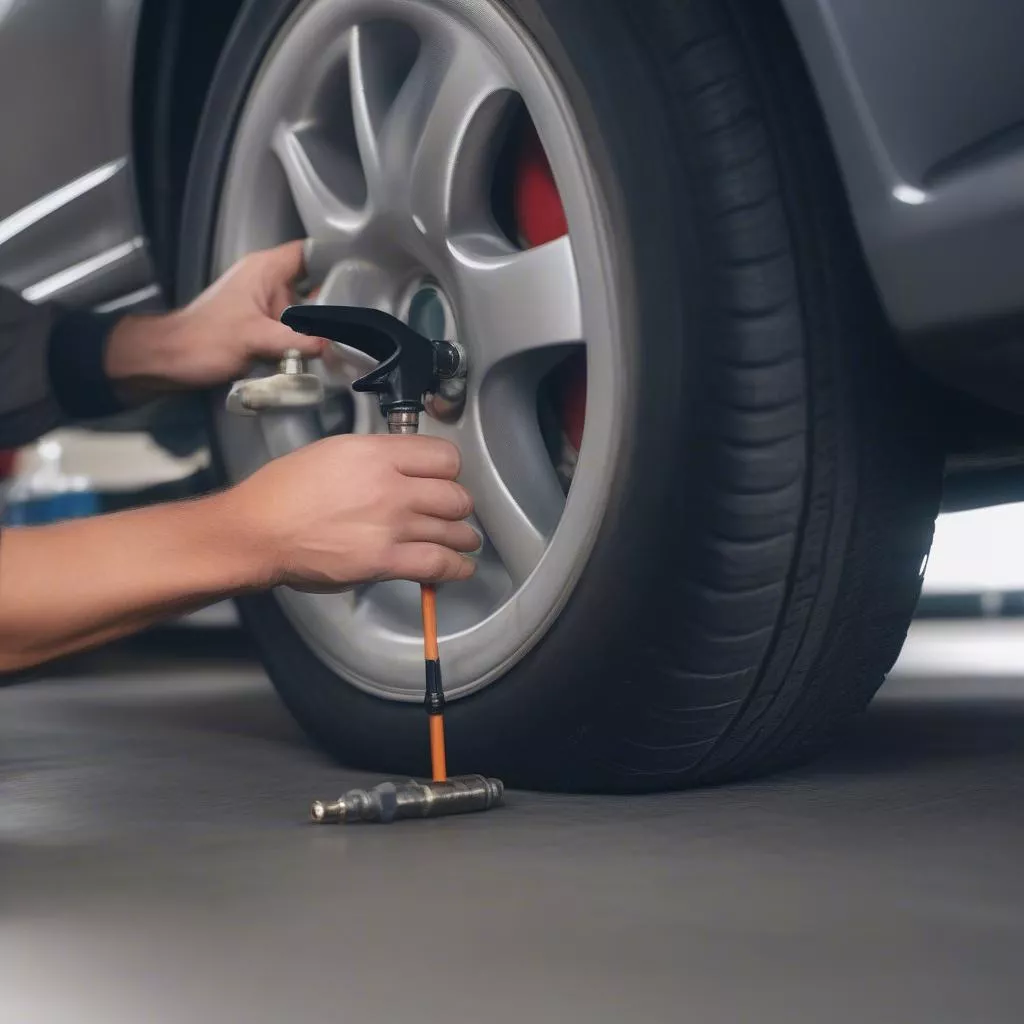 Nitrogen tire inflation process
Disadvantages of Nitrogen Tire Inflation
- Higher cost: Compared to regular air inflation, nitrogen inflation is more expensive. However, considering the long-term benefits, it remains an economically sound choice.
- Limited availability: Not all vehicle repair and maintenance shops offer nitrogen tire inflation services.
Nitrogen Tire Inflation Price List at XE TẢI HÀ NỘI
| Vehicle Type | Price (VNĐ) |
|---|---|
| Passenger Car | 100,000 – 200,000 |
| Pickup Truck | 150,000 – 250,000 |
| Light Truck | 200,000 – 300,000 |
| Heavy Truck | 300,000 – 500,000 |
Note: Prices are for reference only and may vary depending on the time and vehicle type.









