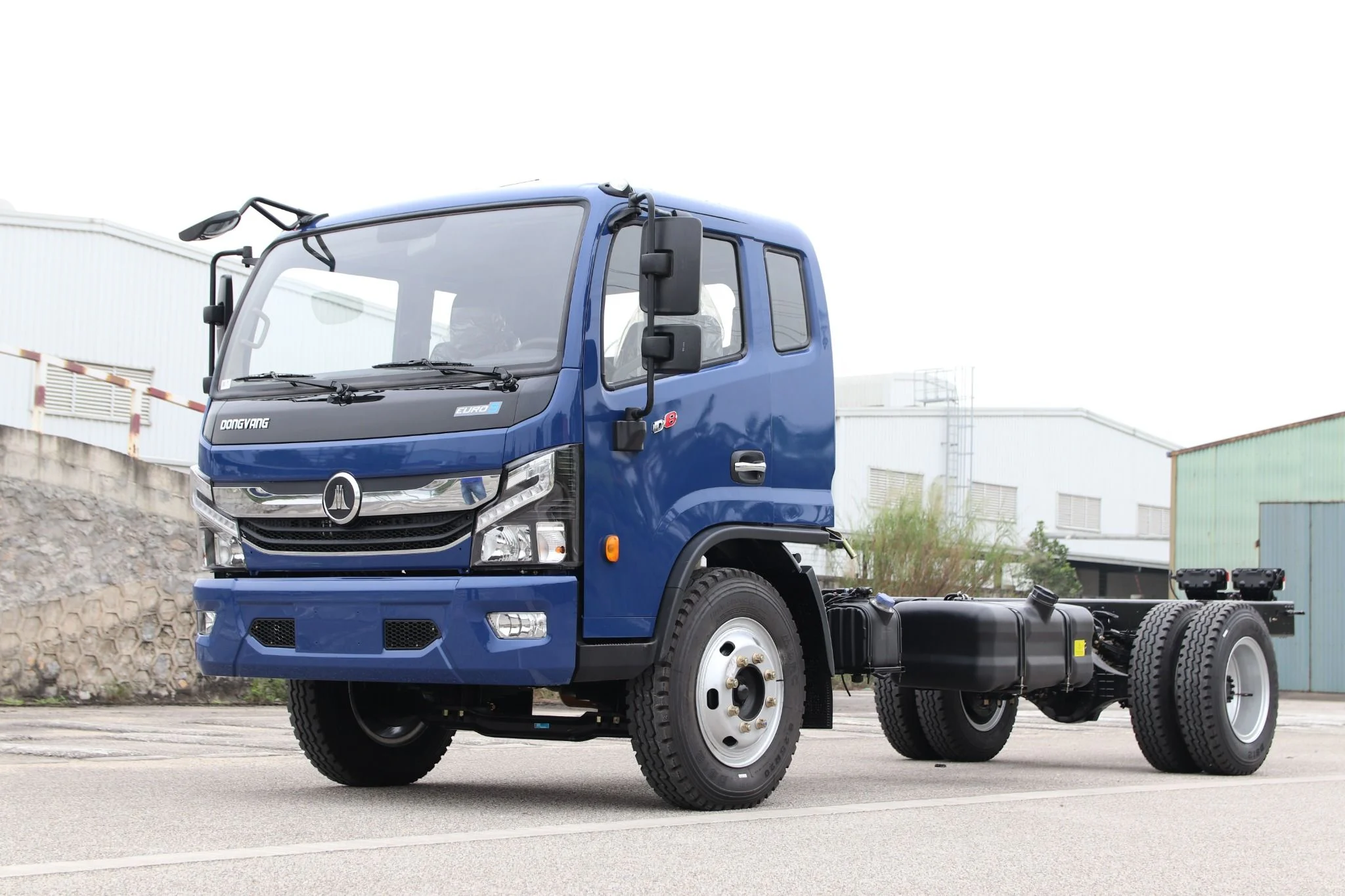
“Start the car, it goes; stop the car, it stops” – a familiar saying among drivers, right? But to keep your “beloved vehicle” running smoothly on all roads, in addition to skillful driving, tire care is also extremely important! So, how much should you inflate your car tires to ensure safety and prolong their lifespan? Let’s find out with XETAIHANOI.EDU.VN!
Tires – A “Heavyweight” Factor Determining Your Safety
Tires are the only part of the vehicle in direct contact with the road surface, responsible for carrying the entire weight of the car and transmitting traction and braking forces. A properly inflated set of tires will help the car grip the road better, shorten braking distances, save fuel, and most importantly, ensure your safety on every journey.
Tire Pressure – The “Soul” of Your Tires
Tire pressure is the decisive factor affecting tire performance and longevity. Underinflated or overinflated tires both have negative impacts, affecting safety and driving experience.
Underinflation – A Potential Accident Risk:
According to Mr. Nguyen Van A, a technical expert at Thanh Cong Auto Repair Shop, Cau Giay District, Hanoi: “Underinflated tires cause the car to be sluggish and consume more fuel. More dangerously, underinflated tires are easily compressed and heat up quickly when moving at high speeds, leading to the risk of tire blowouts, causing loss of control and unfortunate accidents.”
Overinflation – The Silent “Enemy” Destroying Your Tires:
Contrary to underinflation, overinflation causes the car to bounce, reducing road grip and increasing the risk of skidding, especially on slippery surfaces. Moreover, overinflation causes the car to consume more fuel, reduces tire lifespan, and affects other suspension components.
So, How Much Should Car Tires Be Inflated?
The ideal tire pressure depends on many factors such as: vehicle type, load, tire type, weather conditions, etc. Usually, the manufacturer will specify the standard tire pressure on the doorjamb, fuel filler cap, or owner’s manual.
However, you can also refer to the general tire pressure table for common passenger cars below:
| Vehicle Type | Front Tire Pressure (PSI) | Rear Tire Pressure (PSI) |
|---|---|---|
| 4-seater Car | 30 – 35 | 30 – 35 |
| 7-seater Car | 32 – 37 | 32 – 37 |
| Pickup Truck | 35 – 40 | 35 – 40 |
Note:
- Tire pressure should be measured when tires are cold.
- Check tire pressure regularly, at least every 2 weeks or before every long trip.
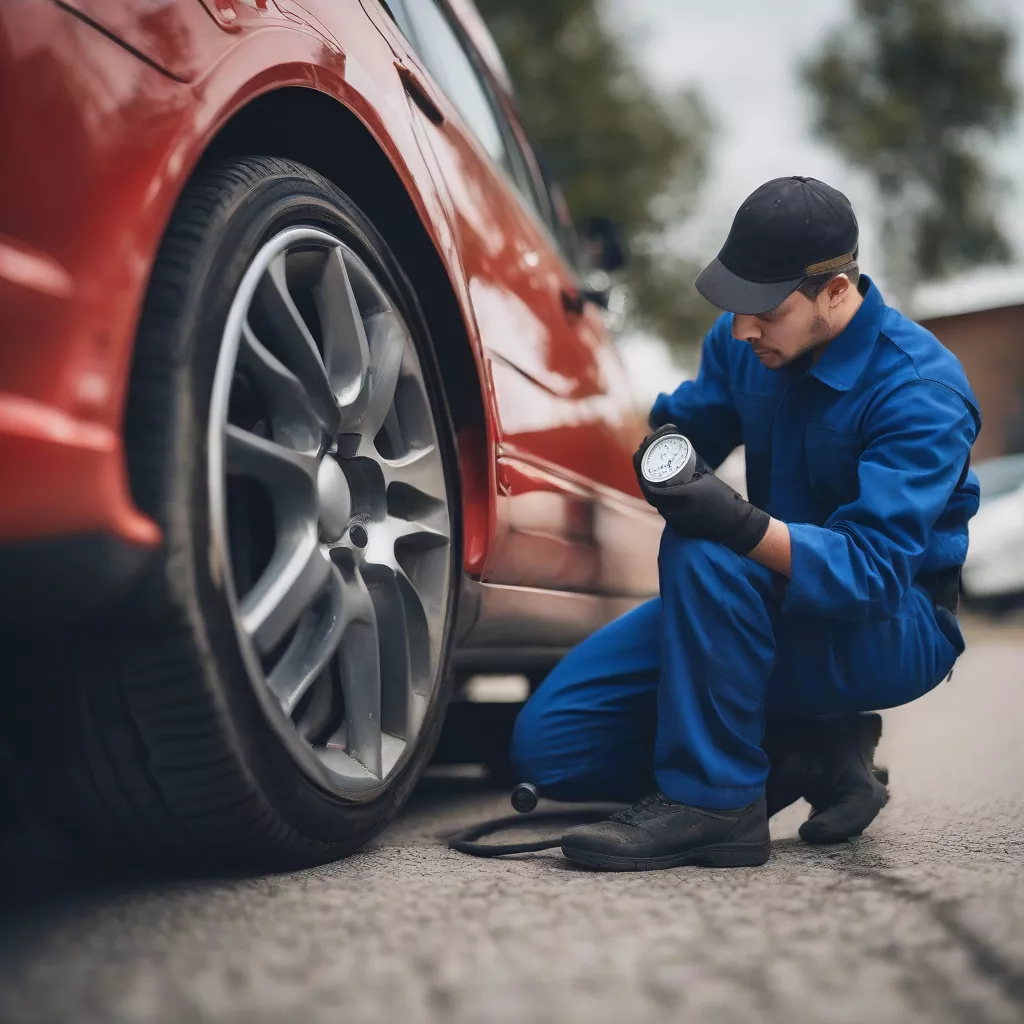
- Use a quality tire pressure gauge to ensure accurate results.
- Inflate tires at reputable service centers to avoid overinflation or underinflation.
XE TẢI HÀ NỘI – Your One-Stop Shop for All Truck Needs
Are you looking for a reputable truck buying, selling, and repair address in Hanoi? Come to XE TẢI HÀ NỘI – The trusted partner of every trucking company!
With a showroom system spanning across Hanoi’s districts such as Cau Giay, Long Bien, Ha Dong…, XE TẢI HÀ NỘI is proud to offer a wide range of trucks, from light trucks, medium trucks to heavy trucks, meeting all transportation needs.
In addition, XE TẢI HÀ NỘI also provides professional and reputable truck repair and maintenance services with a team of highly skilled and experienced technicians, ensuring the best care for your “beloved vehicle.”
Contact XE TẢI HÀ NỘI for the best advice and quotes:
- Hotline: 0987.654.321
- Website: xetaihanoi.edu.vn
Frequently Asked Questions About Car Tire Inflation:
1. Is it good to inflate car tires with nitrogen?
Inflating tires with nitrogen has many advantages such as: maintaining more stable tire pressure, reducing friction, limiting tire oxidation,… However, the cost of nitrogen inflation is higher than regular air inflation.
2. Where should I inflate my car tires reliably?
You should inflate your car tires at reputable tire service centers, professional auto repair shops, or large gas stations.
3. When should car tires be replaced?
You should replace your car tires when they are too old, worn out, cracked, bulging, or have reached their expiration date as recommended by the manufacturer.
Checking car tire pressure
 Tire pressure gauge
Conclusion
“Well-maintained possessions last,” regularly checking and inflating car tires properly is extremely important, ensuring safety for you and your family on every journey. Don’t forget to visit XETAIHANOI.EDU.VN for more useful information about trucks and safe driving skills!