The old saying “First the figure, second the skin…” still holds true, but for us truck drivers, it might need a slight upgrade: “First the engine, second the chassis, then the appearance.” Trucks are not just our livelihood but also our companions on every road. Therefore, understanding this “friend”—especially its parts—is crucial.
Tracing the King of the Road: Exploring Every Truck Part
Nguyen Van Nam, a seasoned truck driver in My Dinh, Hanoi, shared, “Trucks are like humans; they need regular care and maintenance. Knowing each part and its function allows for timely ‘diagnosis,’ preventing breakdowns mid-route that affect work.” Indeed, understanding truck parts not only makes you a knowledgeable driver but also saves time and maintenance costs.
Engine – The Powerful Heart
The truck engine is like the human heart, generating the energy for operation. A healthy engine ensures smooth and durable travel on any road, be it steep slopes or long highways.
Transmission System – The Powerhouse Connector
If the engine is the heart, the transmission system is the circulatory system, connecting the heart to other parts. It transmits power from the engine to the wheels, enabling movement.
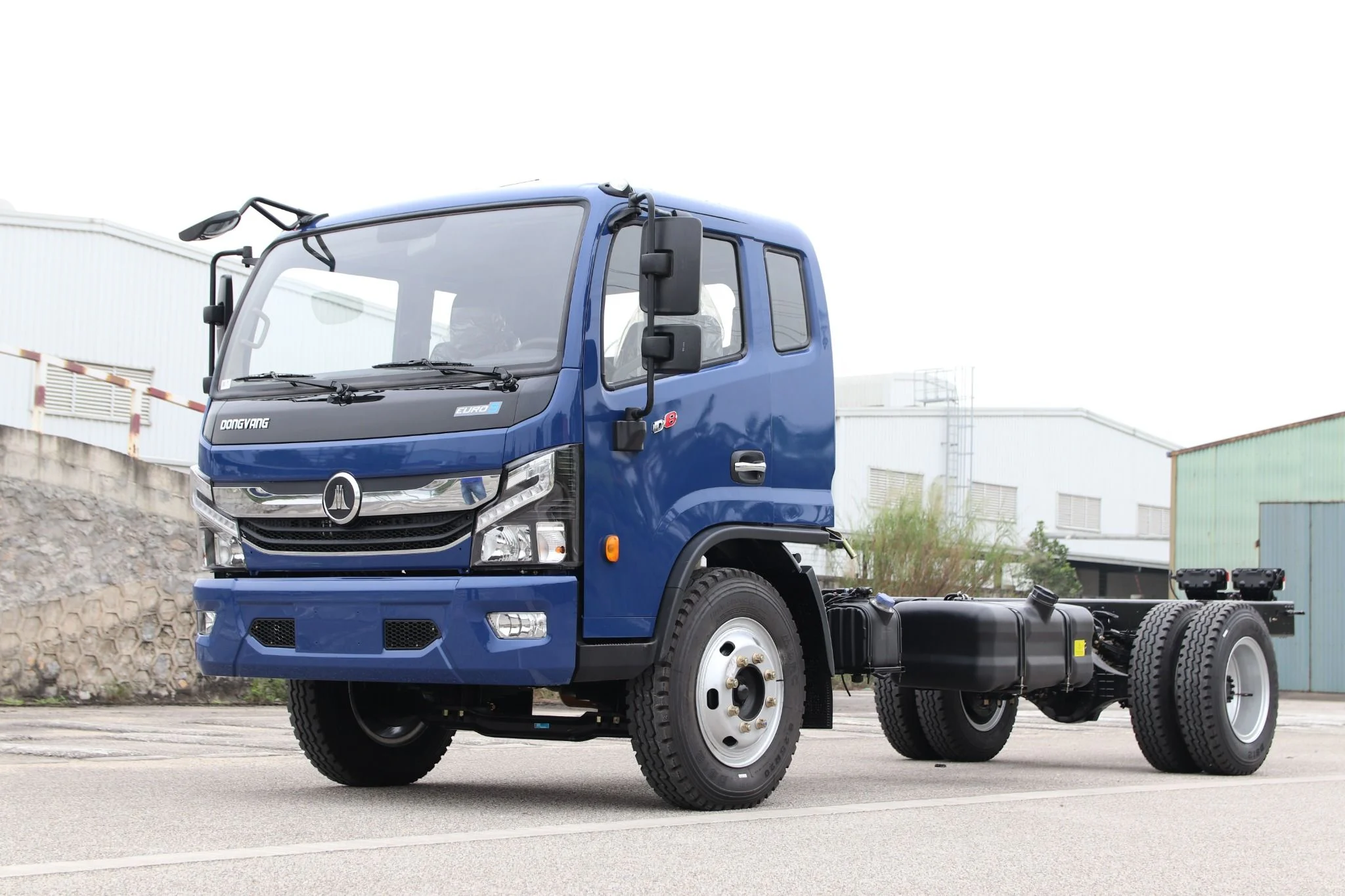
Chassis System – The Sturdy Backbone
The truck chassis bears the main load of the entire vehicle. A robust chassis ensures stable and safe operation, especially when carrying heavy cargo.
Steering System – The Guiding Spirit
The steering system allows the driver to control the vehicle’s direction. A responsive and accurate steering system ensures safer driving, especially in complex traffic situations.
Braking System – The Protective Shield
The braking system is one of the most crucial parts of a truck, guaranteeing your safety and that of other road users.
Suspension System – The Smooth Ride
The suspension system absorbs shocks and minimizes vibrations when traveling on rough roads, providing a comfortable ride.
Body – The Durable Armor
The truck body is not just the exterior “clothing” but also the first layer of protection for internal components from environmental impacts.
Electrical System – The Energy Flow
The electrical system powers electronic devices such as lights, horns, and the entertainment system.
Interior – The Cozy Space
The truck interior is your living and working space on long journeys. A comfortable and convenient interior allows for focused driving and reduces fatigue.
Truck Part Price List
| Part | Estimated Price | Lowest Price |
|---|---|---|
| Engine | Contact Us | Contact Us |
| Gearbox | Contact Us | Contact Us |
| Axle | Contact Us | Contact Us |
| Steering System | Contact Us | Contact Us |
| Braking System | Contact Us | Contact Us |
| Suspension System | Contact Us | Contact Us |
Note: The above prices are for reference only. Actual prices may vary depending on the vehicle type, manufacturer, and dealer. For the most accurate quote, please contact Oto Thai Phong directly.
Important Notes When Inspecting Truck Parts
- Regularly inspect truck parts, especially before long trips.
- Choose reputable and quality garages for repairs and maintenance.
- Use genuine parts to ensure quality and longevity.
Q&A: Frequently Asked Questions About Truck Parts
1. How often should truck engine oil be changed?
Typically, you should change truck engine oil every 5,000 km or 3 months of use. However, consult the manufacturer or experts for the most suitable oil change schedule for your vehicle.
2. How to identify problems with the truck braking system?
Some signs indicate a problem with the truck’s braking system: Stiff brake pedal, ineffective braking, vehicle pulling to one side when braking, unusual noises when braking…
3. When should the truck suspension system be maintained?
Maintain the truck suspension system when the vehicle shows the following signs: Sagging on one side, unusual vibrations when driving over rough roads, strange noises from the suspension system…
Choose Wisely: Where to Buy Quality Trucks?
If you are unsure where to buy reputable and quality trucks, come to XE TẢI HÀ NỘI. With years of experience in truck distribution, we are proud to be a trusted address for customers nationwide.
XE TẢI HÀ NỘI commits to:
- Providing genuine, high-quality truck products.
- Competitive prices and attractive offers.
- Enthusiastic and professional consulting staff.
- Dedicated and thoughtful after-sales service.
Truck Feng Shui: Choosing the Right Color for Your Element
Vietnamese people value feng shui. Choosing a truck color that matches your element is believed to bring luck and fortune to the owner.
The Truck Family: Exploring the Hottest Truck Models Today
In addition to trucks, XE TẢI HÀ NỘI also distributes a variety of other vehicles such as dump trucks, tractor-trailers, and specialized vehicles…
Conclusion
We hope this article has provided you with useful information about truck parts. Follow XE TẢI HÀ NỘI for more helpful information about trucks!
Truck Engine
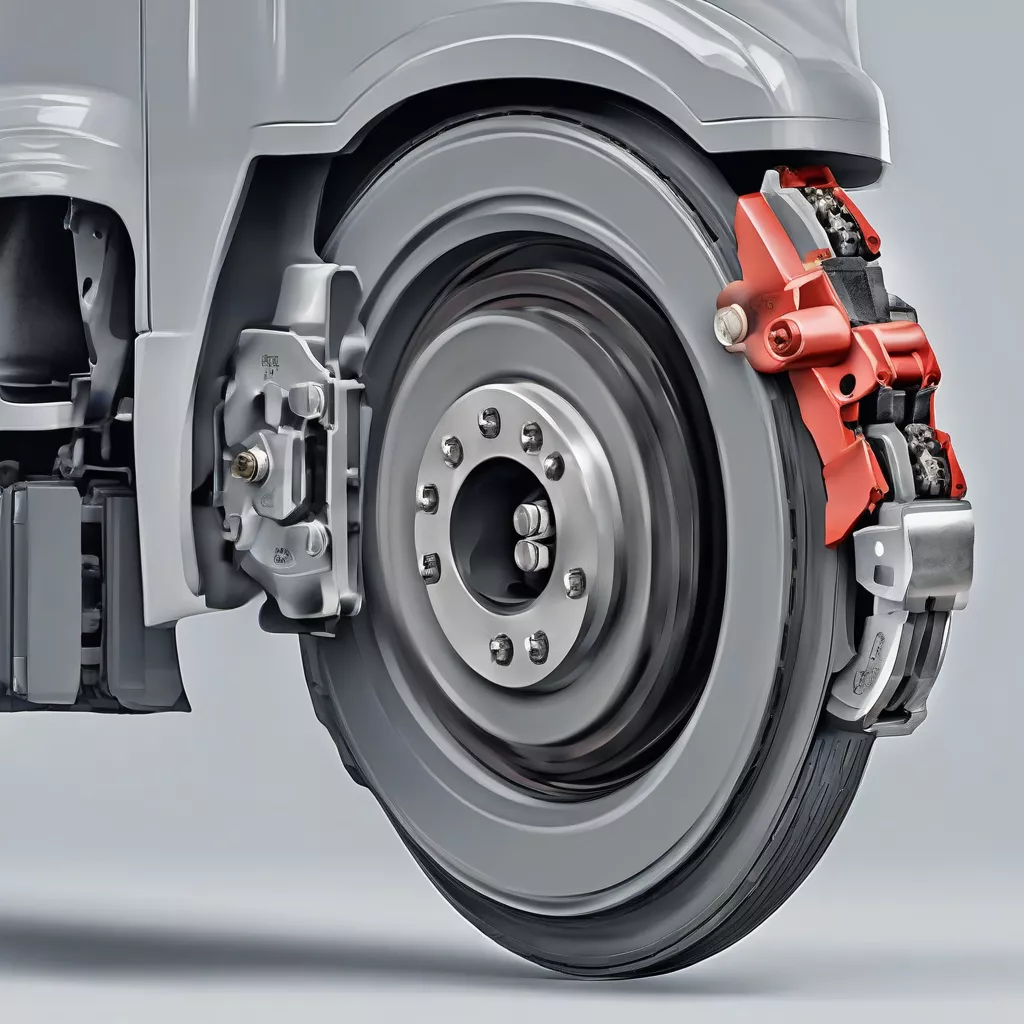 Truck Braking System