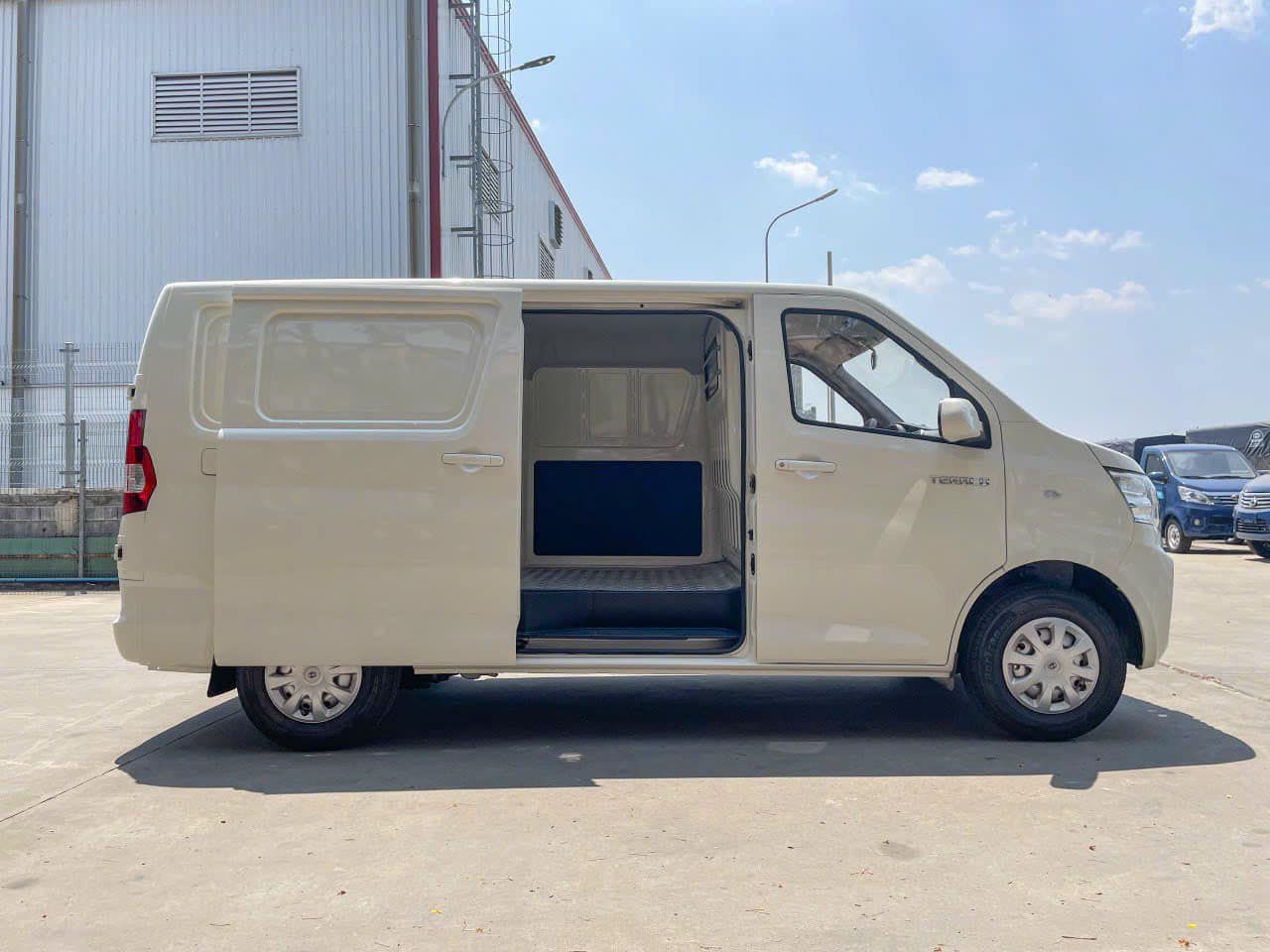
Car soundproofing is an effective solution to significantly improve the driving experience. Minimizing external noises such as engine noise, honking, wind, and tire friction with the road surface will create a quieter and more comfortable space for both the driver and passengers. This article will guide you on how to effectively soundproof your car, from choosing materials to the installation process.
Why Soundproof Your Car?
External noise is not only annoying but also affects health, causing stress, fatigue, and loss of focus while driving. Car soundproofing helps minimize noise, creating a quiet, relaxing space for more focused driving, especially on long journeys. Soundproofing also enhances the sound quality of the car’s entertainment system. Moreover, a well-soundproofed car will have a higher resale value. Right after this introduction, we’ll learn about how to patch a car tire.
Car soundproofing reduces engine noise
Car Soundproofing Materials
There are various car soundproofing materials available on the market, each with its own advantages and disadvantages. Some common materials include closed-cell foam, fiberglass, sound-absorbing foam, and specialized sound damping mats. Choosing the right material depends on your needs, budget, and the location on the car requiring soundproofing. For example, closed-cell foam has good vibration damping and sound insulation properties and is often used for the floor and doors. Fiberglass is affordable but less effective in sound insulation. You can also learn more about car soundproofing with closed-cell foam.
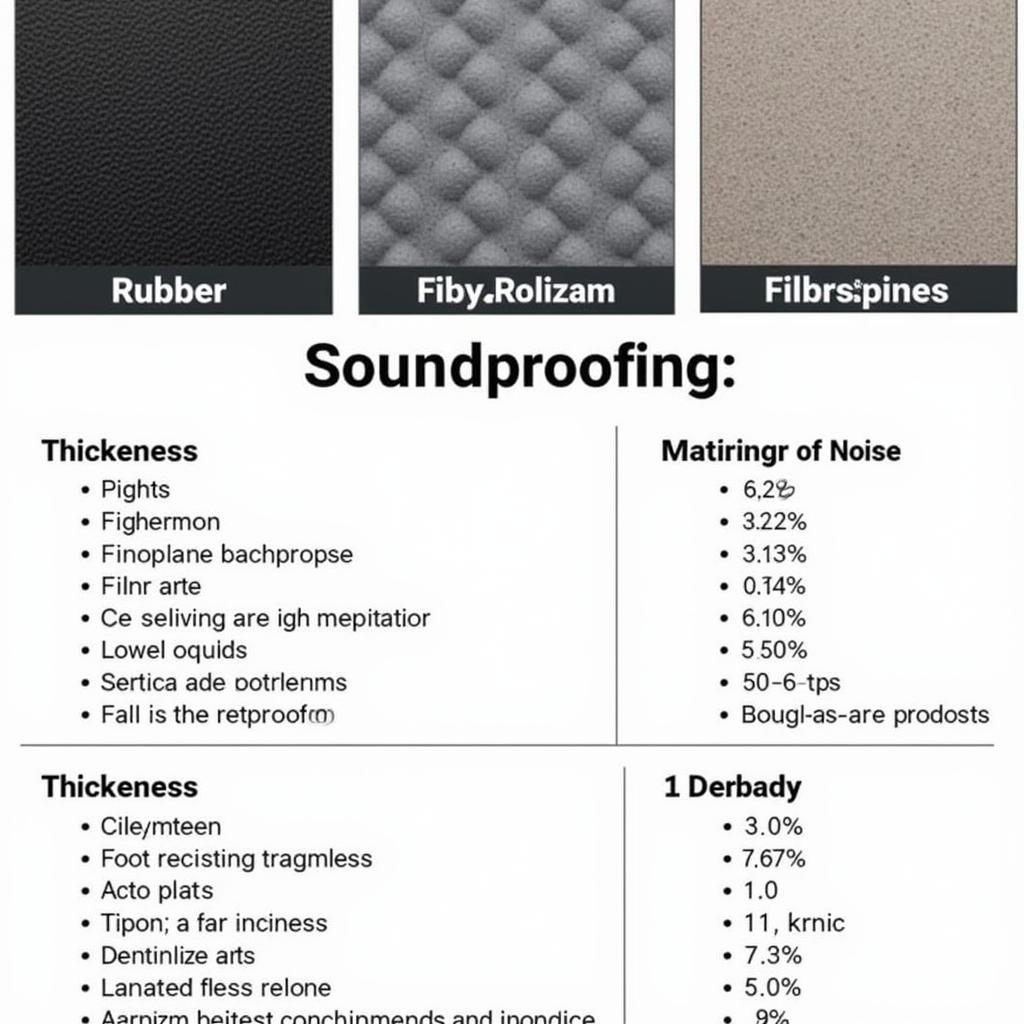 Soundproofing materials: Closed-cell foam and fiberglass
Car Soundproofing Process
The car soundproofing process involves basic steps such as: dismantling the parts that need soundproofing (doors, floor, car roof), cleaning the surface, applying soundproofing material, and reassembling the parts. The installation requires meticulousness and precision to ensure the best soundproofing effect. You can do it yourself or seek assistance from professional garages. You might be interested in learning about making a car out of foam to understand more about material applications in cars.
Soundproofing the Car Floor
The car floor is in direct contact with the road surface and therefore needs thorough soundproofing. Use closed-cell foam or specialized sound damping mats to minimize noise from tires and road surfaces.
Soundproofing Car Doors
Car doors are prone to letting in outside noise. Applying soundproofing material to the door panels and inside the doors will help minimize noise from wind and horns.
Soundproofing the Car Roof
The car roof is also an important area that needs soundproofing. Applying soundproofing material to the car roof helps reduce noise from rain and wind.
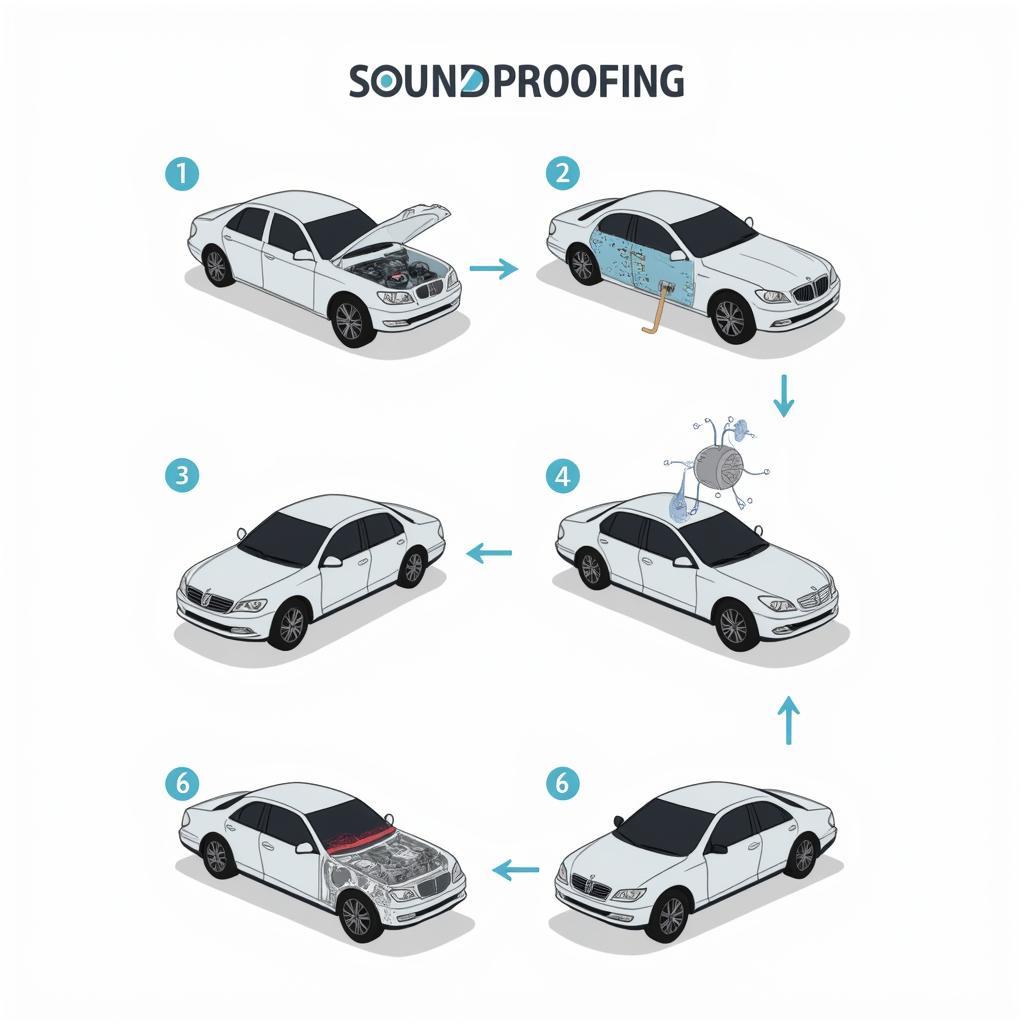 Car soundproofing process: Basic steps
Mr. Nguyen Van A, a car soundproofing expert in Hanoi, said: “Choosing the right soundproofing material is the most important factor in achieving the best sound insulation results. Depending on needs and budget, customers can choose different types of materials.”
Conclusion
Car soundproofing is a worthwhile investment to enhance the driving experience. Choosing the right materials and applying the correct installation process will deliver optimal soundproofing results, creating a quiet and comfortable space for you on every journey. Don’t forget to learn more about car shock absorber oil leaks and how to clean car windows for better car maintenance.
FAQ
- Is car soundproofing expensive?
- Can car soundproofing be done at home?
- What is the best soundproofing material for cars?
- Does car soundproofing affect the car’s electrical system?
- Does car soundproofing take a long time?
- How to maintain the car after soundproofing?
- Where is a reputable place for car soundproofing in Hanoi?
You can refer to the following articles:
- How to maintain car air conditioning
- Experience in choosing suitable tires
For support, please contact Phone Number: 0968239999, Email: [email protected] Or visit the address: No. TT36 – CN9 Road, Tu Liem Industrial Park, Phuong Canh Ward, Nam Tu Liem District, Hanoi. We have a 24/7 customer service team.