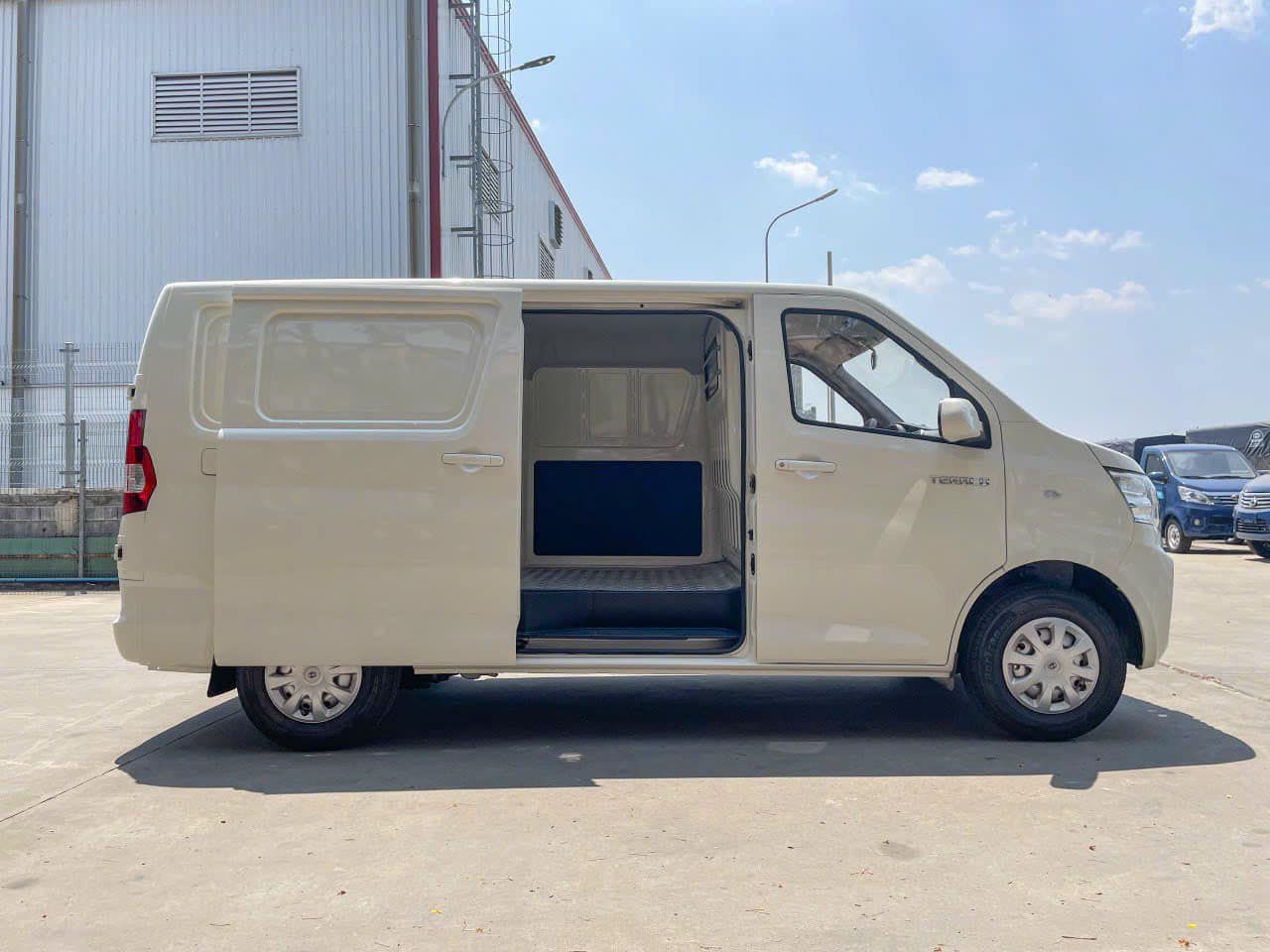
The saying “a thing lasts thanks to its owner” always holds true, especially when buying a used car. Choosing the right car that fits your budget and is durable requires experience and knowledge. Today, let’s explore XE TẢI HÀ NỘI’s detailed guide on how to buy a used car, helping you make the most informed decision.
1. Define Your Needs and Budget
Before diving into the used car market, clearly define your needs. Do you need a car for daily commuting within Hanoi, or do you frequently travel to the suburbs like Dong Anh or Gia Lam? Do you need a spacious car for your family, or simply a compact, fuel-efficient vehicle?
After identifying your needs, determine your budget. Don’t forget to include additional costs such as transfer fees, insurance, and maintenance.
2. Research the Market and Choose a Car Model
Based on your needs and budget, you can start researching the market and selecting suitable car models. Consult with friends, relatives with experience, or search for information on reputable websites like xetaihanoi.edu.vn.
For example, if you need a compact truck for city driving, consider the Thaco Towner light truck from Truong Hai. If you need a larger truck for heavy cargo, consider Hyundai, Hino, or Isuzu trucks.
3. Check the Vehicle History
Vehicle history is crucial in assessing the condition and origin of the car. Ask the seller to provide complete vehicle documents, including registration papers, sales contracts, and insurance. Carefully check information such as the chassis number, engine number, mileage, and maintenance history to ensure the car hasn’t had its odometer rolled back or been in a flood.
According to Mr. Nguyen Van A, an automotive expert in Hanoi, “Checking the vehicle history is extremely important to avoid buying low-quality cars with potential risks.” (Source: Car Use and Maintenance Guide)
4. Inspect the Car in Person
Even after thoroughly checking the vehicle history, you should inspect the car yourself to accurately assess its condition.
4.1. Exterior Inspection
- Carefully inspect the car body for dents, repainting, or any signs of damage.
- Check if the gaps between the car parts are even.
- Check the tires for even wear.
- Check if the headlights, turn signals, and wipers are functioning properly.
4.2. Interior Inspection
- Check the condition of the seats, steering wheel, gear lever, and dashboard for wear, tears, or damage.
- Start the car and check if the electronic devices such as air conditioning, audio system, and screen are working properly.
- Observe the dashboard display for any unusual signs.
4.3. Engine and Chassis Inspection
- Check the engine compartment for any signs of oil or coolant leaks.
- Listen to the engine sound when starting; it should be smooth and without any strange noises.
- Check the chassis for dents, rust, or damage.
For safety and accuracy, take the car to a reputable garage or have an experienced mechanic perform a technical inspection before making a purchase.
Checking the vehicle history Inspecting the car exterior