
Understanding your vehicle is crucial before making a purchase. Knowing how to read your car’s engine number is like having its “ID card,” providing vital information about its origin, history, and more.
Table of Contents
1. What is an Engine Number and Why is it Important?
The engine number is a unique alphanumeric code engraved on the engine block, acting as a fingerprint for your car. Decoding this number allows you to:
- Verify the car’s origin and authenticity: Avoid purchasing stolen or illegally imported vehicles.
- Cross-reference information with vehicle documents: Ensure legal compliance and prevent future disputes.
- Track repair and maintenance history: Understand the car’s condition to make informed buying decisions.
2. How to Read Your Car’s Engine Number
An engine number typically consists of two parts:
- Engine Code: Letters representing the manufacturer and engine model. Examples: 4G63 (Mitsubishi), D4EA (Hyundai), L15A (Honda).
- Serial Number: A sequence of numbers indicating the engine’s production order.
Example: A Hyundai i10 engine number might be “G4LA6012345”:
- “G4LA” is the engine code, signifying Hyundai’s Kappa 1.2L engine.
- “6012345” is the engine’s serial production number.
3. Locating the Engine Number
The engine number’s location varies depending on the car model. Common locations include:
- On the engine block: Near the cylinder head, close to the cabin.
- Under the hood: Near the battery or windshield wiper fluid reservoir.
- On the chassis: Close to the front or rear wheels.
Note: Consult your owner’s manual or seek assistance from qualified technicians at reputable garages to pinpoint the exact location.
Locating the engine number on a car
4. Frequently Asked Questions
Question 1: Can engine numbers be forged?
Answer: Forging engine numbers is extremely difficult due to modern laser engraving technology. However, sophisticated counterfeiting can occur. Thoroughly inspect vehicle documents, compare information with the actual engine number, and consult experts if necessary.
Question 2: Are the VIN and engine number the same?
Answer: No. The Vehicle Identification Number (VIN) is a 17-character code providing information about the manufacturer, year of manufacture, and model, while the engine number pertains solely to the engine. Both are crucial for verifying the vehicle’s origin and condition.
Question 3: How can I tell if an engine number has been tampered with?
Answer: Carefully examine the engraved characters for signs of alteration, such as filing, punching, or etching. Consult experts or a reputable inspection service if you have any doubts.
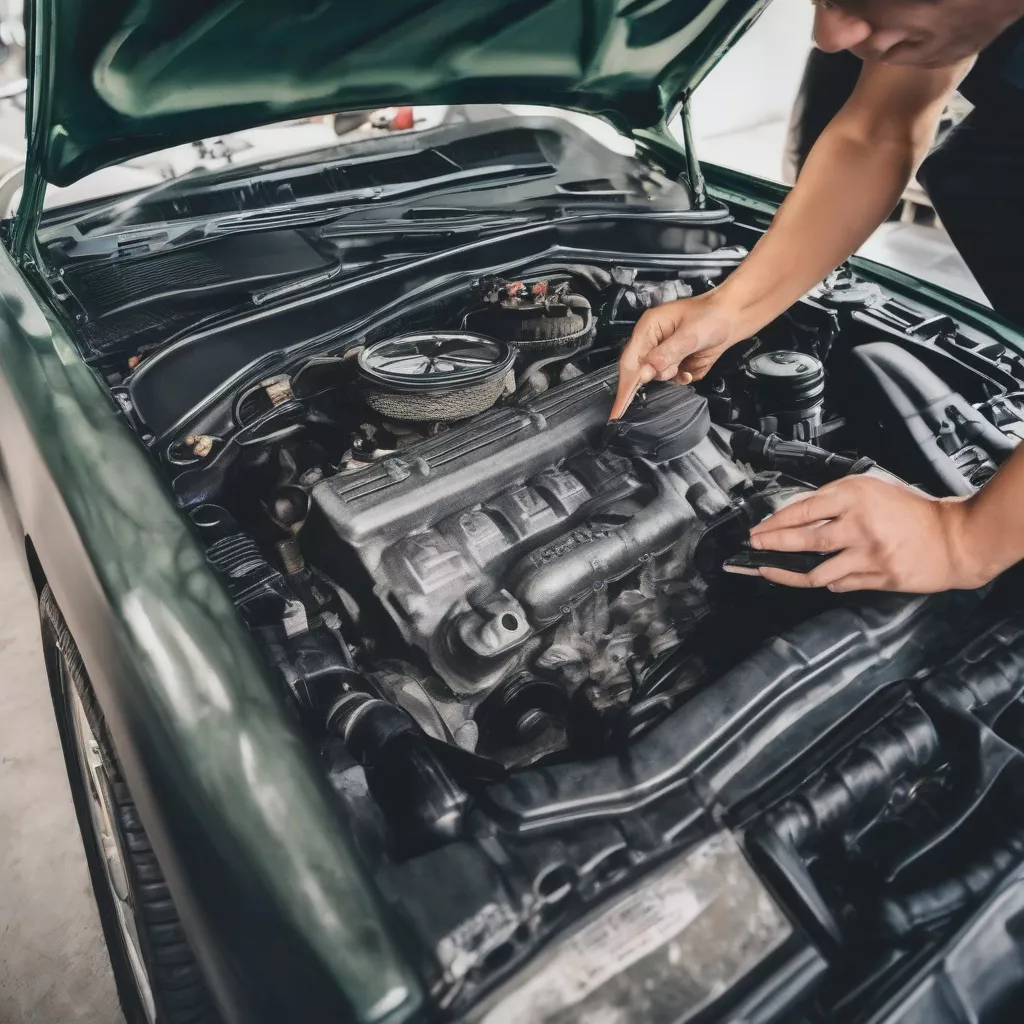 Inspecting an engine number for tampering
5. Buying a Car Safely at XE TẢI HÀ NỘI
To ensure a secure and satisfactory car purchase, choose reputable dealerships like XE TẢI HÀ NỘI. With years of experience in the truck industry, XE TẢI HÀ NỘI offers quality vehicles, professional service, and competitive prices.
6. Similar Products
Besides trucks, XE TẢI HÀ NỘI offers a wide range of vehicles, including:
- Dump trucks
- Tractor trucks
- Specialized vehicles
Conclusion
Understanding your car’s engine number is essential for informed car buying. Remember the key information in this article and apply it when selecting your next vehicle.
Share this article if you found it helpful, and visit xetaihanoi.edu.vn for more valuable information on trucks and other vehicles.









