Recently, while visiting Uncle Ba – the owner of a powerful Hyundai truck used for transporting construction materials in the Cau Giay district of Hanoi – I heard a chilling story. On a trip delivering goods to Ha Dong, his truck was running smoothly. However, upon reaching Le Van Luong Street, the vehicle started to swerve, and the steering wheel felt heavy. It turned out that one of the tires had been underinflated, nearly causing an accident. Since then, Uncle Ba has become much more cautious, regularly checking his tires before every trip.
Uncle Ba’s story serves as a reminder to all of us, whether truck drivers or car owners, about the importance of regular tire checks, especially detecting underinflation. So how can you tell if your car tires are underinflated? Let’s explore this with Hanoi Trucks!
Signs of Underinflated Tires
1. Visual Inspection
This is the simplest way to identify underinflation. Carefully observe the contact area between the tire and the road surface. If the tire appears flattened, with a larger contact patch than usual, it’s likely underinflated.
2. Using a Tire Pressure Gauge
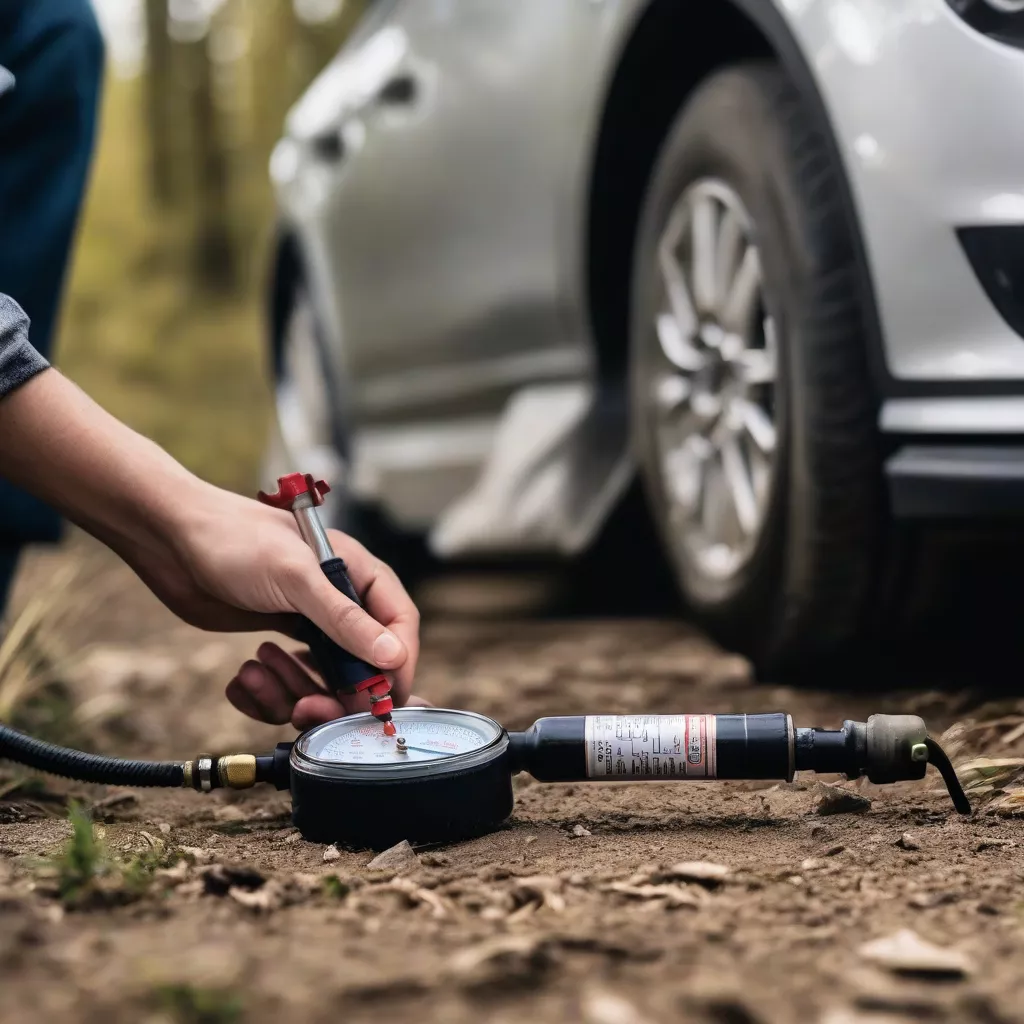
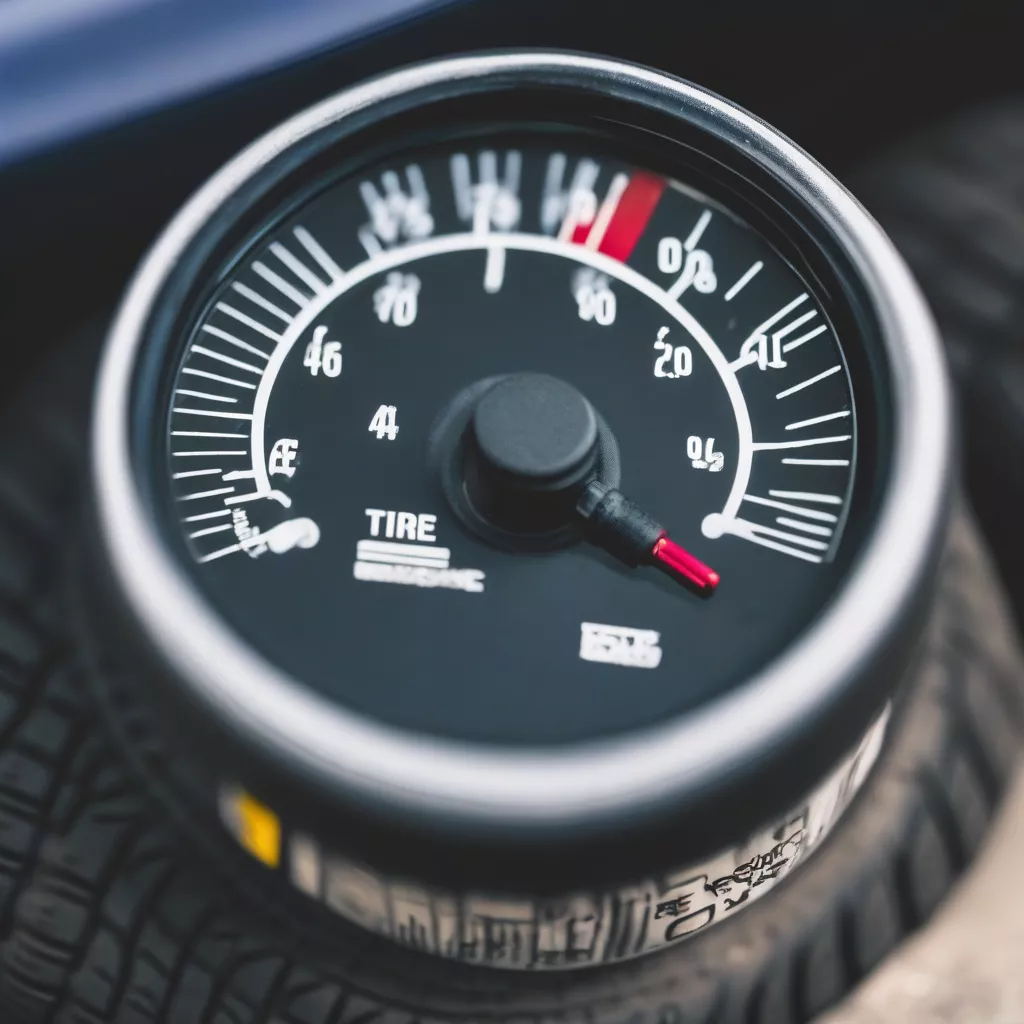
Using a tire pressure gauge is the most accurate way to check. You can purchase a gauge at auto parts stores or truck dealerships like Hyundai Giai Phong.
How to use it:
- Remove the tire valve cap.
- Press the gauge onto the valve stem until you hear a hissing sound.
- Check the pressure reading on the gauge and compare it to the recommended pressure printed on the tire sidewall or in the vehicle’s owner manual.
3. Feeling While Driving
While driving, if you feel unusual vibrations, a heavy steering wheel, or difficulty controlling the vehicle, especially when cornering, your tires might be underinflated.
Standard Tire Pressure Chart
| Vehicle Type | Front Tire Pressure (PSI) | Rear Tire Pressure (PSI) |
|---|---|---|
| Passenger Car | 32 – 35 | 30 – 33 |
| Pickup Truck | 35 – 40 | 30 – 35 |
| Light Truck | 50 – 65 | 45 – 60 |
| Heavy Truck | 80 – 100 | 75 – 95 |
Note: Tire pressure may vary depending on load and road conditions.
Important Notes When Checking Tire Pressure
- Check tire pressure regularly, preferably every 2 weeks or before long trips.
- Check tire pressure when the tires are cold.
- Do not overinflate or underinflate tires.
- Replace tires when they are worn out or damaged.
Frequently Asked Questions
1. Are Underinflated Tires Dangerous?
Underinflated tires can pose several dangers, such as:
- Reduced road grip, increasing the risk of accidents.
- Accelerated tire wear, leading to costly replacements.
- Increased fuel consumption.
2. Where Can I Inflate My Tires?
You can inflate your tires at gas stations, auto repair shops, or tire repair shops.
How to Purchase from Hanoi Trucks
To purchase quality trucks at competitive prices, please contact Hanoi Trucks through our website xetaihanoi.edu.vn or visit our showroom at: [Showroom Address].
Similar Products
In addition, Hanoi Trucks offers a wide range of other trucks, such as small trucks for agricultural transportation, military trucks, and more.
Conclusion
We hope this article has provided you with valuable information on how to check for underinflated tires. Always be cautious and ensure your tires are in optimal condition for your safety and the safety of others on the road.
Checking Car Tire Pressure
 Tire Pressure Gauge
Share this article with your friends and family to spread this helpful information!









