“What makes a car go?” This is a common question from children when they first experience a car ride. Have you ever wondered what magical components lie within this “moving box” to create a complete machine, capable of taking us anywhere? Let’s delve into the intricate details and explore the basic anatomy of a vehicle with Xetaihanoi.edu.vn.
Basic Car Anatomy: A Symphony of Technology
A car’s structure is a complex combination of various systems and components working together harmoniously like a symphony. We can divide them into five main systems:
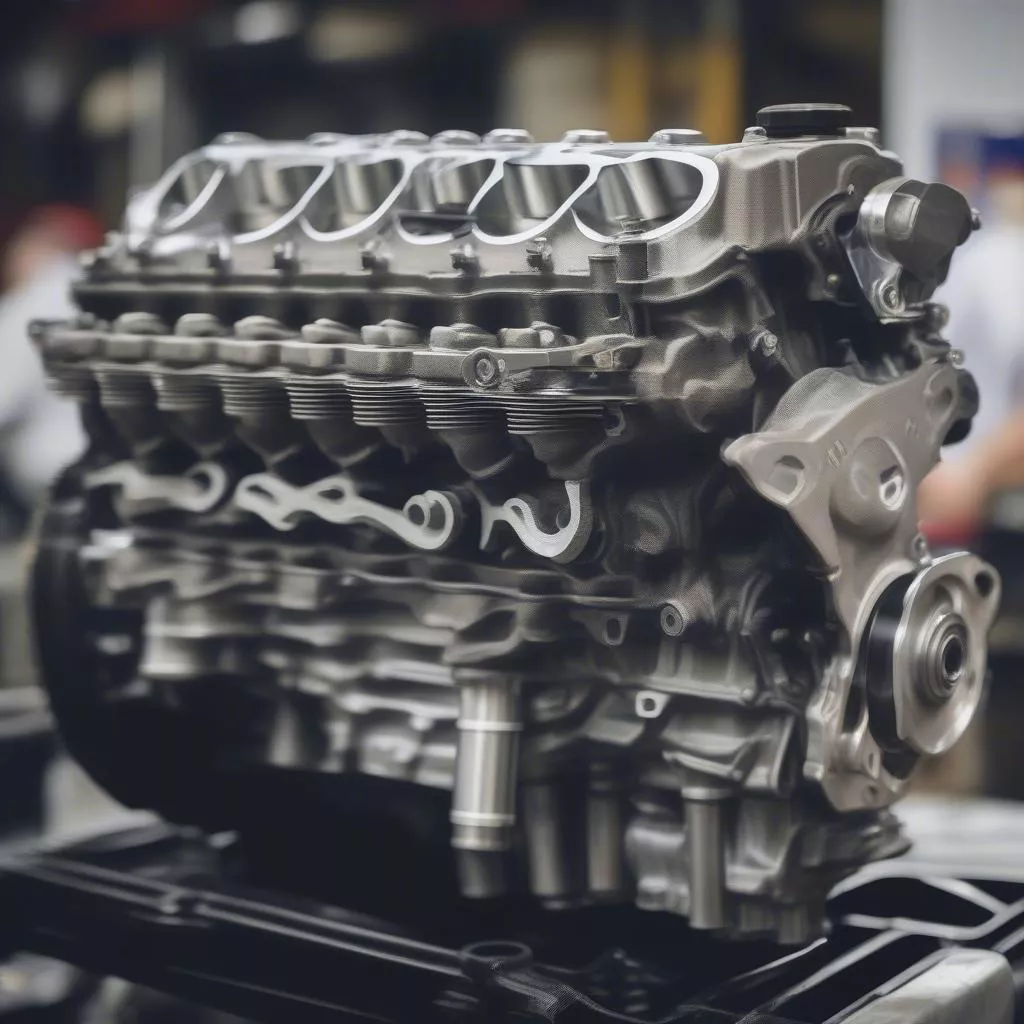
1. Engine System – The Powerful Heart
The engine system, also known as the engine block, is considered the “heart” of the vehicle. Its function is to convert energy from fuel (gasoline, diesel) into kinetic energy, generating the power needed for movement.
Common Engine Types:
- Gasoline Engine: Uses spark plugs to ignite a mixture of gasoline and air. Advantages: Lightweight, affordable, quiet operation. Disadvantages: Higher fuel consumption, more emissions.
- Diesel Engine: Utilizes high temperatures to compress a mixture of diesel and air to the point of self-ignition. Advantages: Fuel-efficient, durable, suitable for heavy loads. Disadvantages: Noisier, more expensive than gasoline engines.
Did You Know?
According to Nguyen Van A, an engineer at the Thaco Truong Hai truck dealership on Nguyen Van Linh Street, Long Bien District, Hanoi, choosing the right engine type depends on your needs. If you primarily drive in urban areas, a gasoline engine would be a suitable choice. Conversely, a diesel engine would be the ideal “companion” for long trips and heavy cargo transportation.
2. Drivetrain System – The Power Transmission Mission
The drivetrain acts as the “circulatory system,” receiving kinetic energy from the engine and transmitting it to the wheels, enabling the vehicle to move.
The Drivetrain System Includes:
- Transmission
- Clutch
- Driveshaft
- Differential
- Wheels
3. Chassis System – The Solid Backbone
The chassis system is the “skeleton” that supports the entire weight of the vehicle, including the body, engine, suspension, steering system, and other components.
A Robust Chassis is Crucial for:
- Rigidity and stability during operation.
- Load-bearing capacity.
- Passenger safety in the event of a collision.
Important Note When Choosing a Vehicle:
When purchasing a truck, especially a heavy-duty truck, you should thoroughly research the material and design of the chassis to ensure it has good load capacity and smooth operation on all roads.
4. Steering System – The Guiding Spirit
The steering system allows the driver to control the direction of the vehicle accurately and safely.
Common Steering System Types:
- Mechanical Steering System
- Hydraulic Power Steering System
- Electric Power Steering System
5. Braking System – The Safety Shield
The braking system is a vital “shield” that helps slow down and stop the vehicle when necessary, ensuring the safety of passengers and other road users.
Types of Braking Systems:
- Disc Brakes
- Drum Brakes
- Anti-lock Braking System (ABS)
- Electronic Brakeforce Distribution (EBD)
Car Engine
Truck Price List at Xe Tai Ha Noi
| Vehicle Type | Estimated Price (VNĐ) |
|---|---|
| Light Truck | From 300,000,000 |
| Medium Truck | From 500,000,000 |
| Heavy Truck | From 1,000,000,000 |
Note: This price list is for reference only. Actual prices may vary depending on the time of purchase, brand, model, and promotional offers.
Frequently Asked Questions about Car Anatomy:
1. How Often Should I Service My Car’s Engine?
Regular engine maintenance is crucial to ensure optimal performance and longevity. Refer to the manufacturer’s maintenance schedule or take your vehicle to a reputable garage for regular inspections and servicing.
2. Is it a Problem if My Brakes are Squeaking?
Squeaking brakes can indicate worn brake pads that need replacement. Take your vehicle to a garage for inspection and timely repairs.
3. How Do I Choose the Right Truck for My Business Needs?
To choose the right truck, you need to clearly define your needs (type of goods, payload, travel distance, etc.), then thoroughly research the specifications, advantages, and disadvantages of each model. You should also consult with experienced individuals or contact reputable truck dealerships like Xe Tai Ha Noi for detailed advice.









