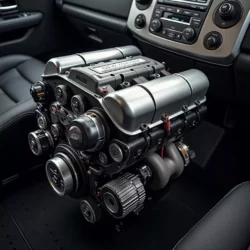
The car engine, the heart of every vehicle, is a complex system with numerous components working in harmony to generate power. Understanding the structure of a car engine not only helps you operate your vehicle more efficiently but also enables you to troubleshoot basic problems and maintain your car properly. Let’s delve into the details of a car engine’s structure.
Engine Block
The engine block is the most crucial component, serving as the skeleton for the entire engine. It’s crafted from high-strength, heat-resistant materials like cast iron or aluminum alloy. Inside the engine block are the cylinders, where fuel combustion takes place. The engine block also serves as the mounting point for other components such as the crankshaft, pistons, and cylinder head.
Role of the Engine Block
The engine block not only houses critical components but also ensures the stability and durability of the entire system. Its design directly impacts the engine’s performance and noise levels.
Piston and Connecting Rod Assembly
The piston is a component that moves up and down within the cylinder, receiving energy from the combustion process and transferring kinetic energy to the connecting rod. The connecting rod links the piston to the crankshaft, converting the piston’s linear motion into the crankshaft’s rotational motion.
Function of the Piston and Connecting Rod
The piston and connecting rod assembly is the vital link between the energy generated from combustion and the rotational motion of the crankshaft, ultimately producing power for the vehicle. The precision in the design and assembly of this system directly affects the engine’s performance and lifespan. Want to learn more about the structure of a car alternator?
Crankshaft
The crankshaft receives force from the connecting rod and transforms it into rotational motion to drive the transmission. It’s made from high-strength steel and precisely balanced to minimize vibrations. Learn more about the structure of a car radiator.
Importance of the Crankshaft
The crankshaft is central to transferring power from the engine to the wheels. Its durability and precision directly influence the vehicle’s performance and smooth operation. A car engine’s structure cannot function without the crankshaft.
Valve System
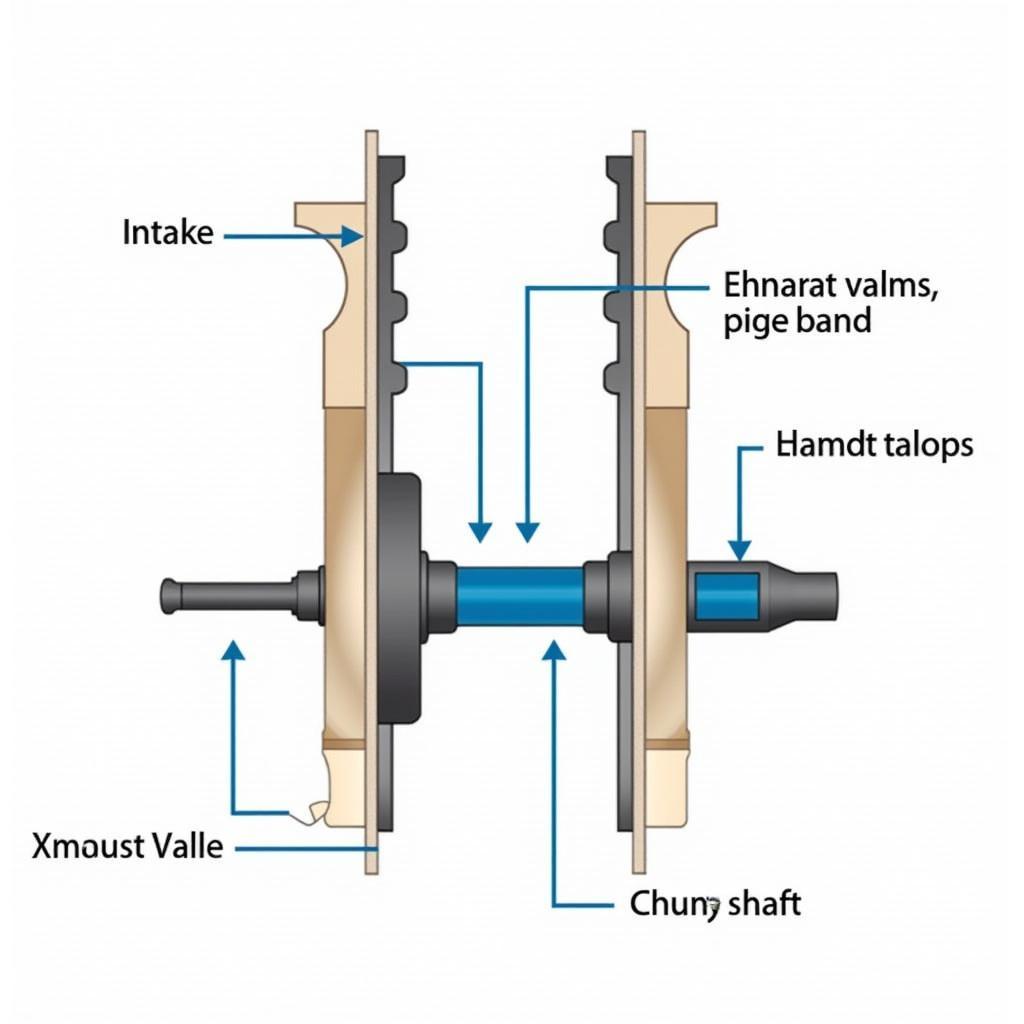
The valve system comprises intake and exhaust valves, controlled by the camshaft to open and close precisely, allowing air and fuel into the cylinder and exhaust gases to exit. The precise timing of valve opening and closing is crucial for efficient engine operation. Read more about the structure of a car carburetor.
Operation of the Valve System
The valve system plays a vital role in regulating the flow of gases into and out of the cylinders, ensuring efficient combustion. Synchronization between the valve system and other components is key to optimal engine performance. You can also learn more about a car’s carburetor.
Intake and exhaust valve system in a car engine – regulates gas flow in and out of cylinders
Conclusion
The structure of a car engine is a complex yet fascinating system. Understanding the structure and function of each component will help you maintain and operate your vehicle more effectively. From the engine block, piston system, crankshaft to the valve system, each part plays a crucial role in generating power for your car. The car engine’s structure is the foundation for the operation of the entire vehicle.
FAQ
- How does a car engine work?
- What are the common types of car engines today?
- How to properly maintain a car engine?
- When should engine oil be changed?
- What are the signs that a car engine is having problems?
- What is the role of spark plugs in a car engine?
- How does the engine cooling system work?
Common Questions and Scenarios
Customers often ask about engine noise, fuel consumption, and how to maintain the engine for longevity. We are always ready to answer all customer questions.
Suggested Further Reading
You can learn more about the structure of other car parts such as the braking system, suspension system, and steering system on our website.