The rise in fuel prices and growing environmental concerns have paved the way for electric vehicles (EVs) to become the rising star of the global automotive market. But what makes these vehicles so appealing? Let’s dissect the structure of an electric car with XE TẢI HÀ NỘI to understand the “green heart” revolutionizing the car industry.
Electric Car Structure: Building Blocks of the Future
Unlike traditional gasoline-powered cars, electric vehicles use electricity stored in a battery to power the motor. This fundamental difference leads to unique characteristics in their construction.
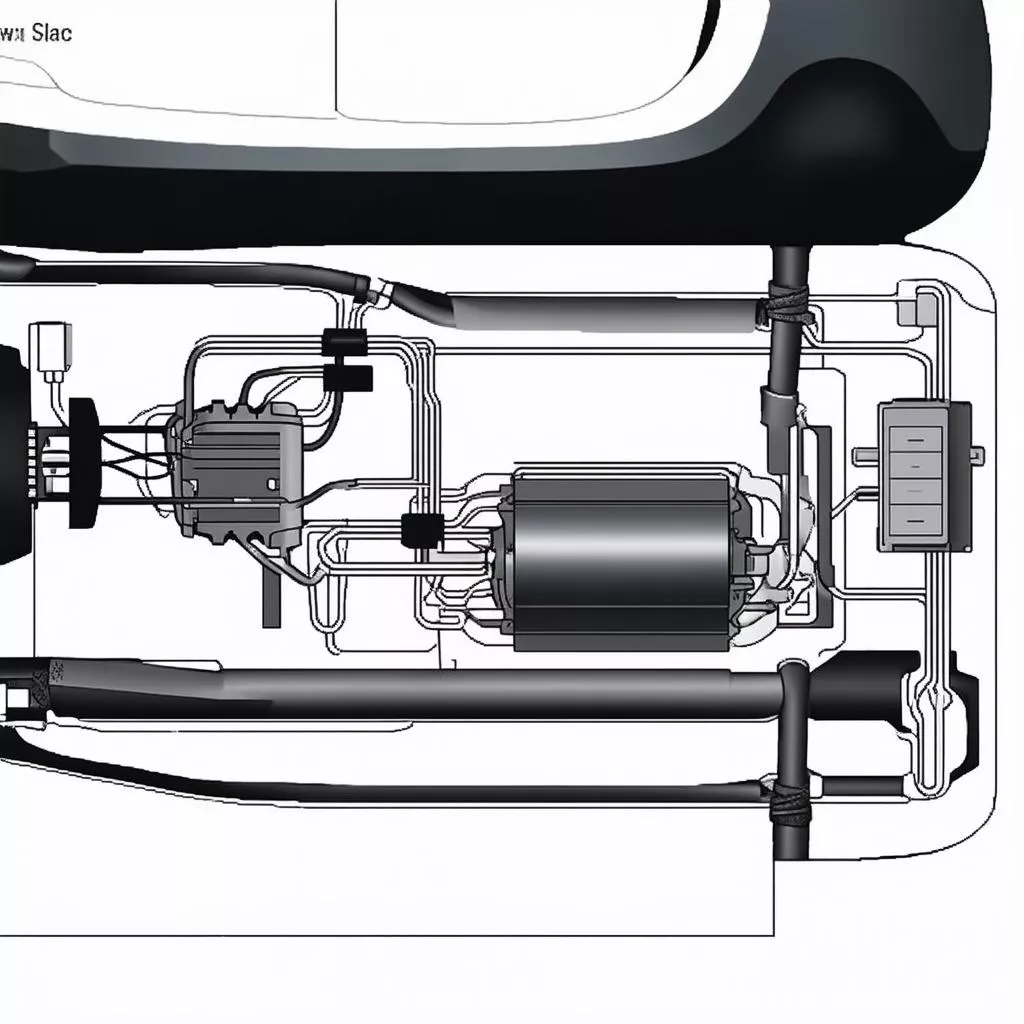
1. Electric Powertrain – The Heart of an EV
The electric powertrain is the core of an electric vehicle, consisting of:
- Battery: Acting as the “energy warehouse,” the battery stores electricity to power the motor. Currently, lithium-ion batteries are the most popular choice for EVs due to their high capacity, long lifespan, and fast charging capabilities.
- Motor Controller: The “brain” that regulates the flow of electricity from the battery to the motor, ensuring efficient operation and a smooth ride.
- Electric Motor: Converts electrical energy into mechanical energy, generating torque to move the vehicle. Electric motors boast high efficiency, quiet operation, and environmental friendliness.
2. Auxiliary Systems – Enhancing the Driving Experience
In addition to the electric powertrain, EVs are equipped with advanced auxiliary systems, including:
- Battery Management System (BMS): Monitors the battery’s condition, ensuring safe operation and maximizing lifespan.
- Onboard Charger: Converts alternating current (AC) electricity to direct current (DC) to charge the vehicle’s battery.
- Regenerative Braking System: Converts kinetic energy into electrical energy during braking or deceleration, increasing energy efficiency.
Electric Vehicle Price List
| Model | Estimated Retail Price (VNĐ) |
|---|---|
| VinFast VF e34 | 690,000,000 |
| Hyundai Kona Electric | 1,240,000,000 |
| Tesla Model 3 | 1,500,000,000 |
(Note: Prices may vary depending on time and dealer.)
Considerations for Electric Vehicle Use
- Infrastructure: Currently, the charging station network for electric vehicles in Vietnam is still limited, especially in rural areas.
- Charging Time: Compared to traditional gasoline refueling, charging an EV battery takes longer.
Frequently Asked Questions about Electric Vehicles
1. How far can an electric car travel on a single charge?
Depending on battery capacity, road conditions, and driving style, an electric car can travel between 200 – 500 km on a full charge.
2. How long does it take to charge an electric car battery?
Charging time for an EV battery ranges from 30 minutes (fast charging) to 8 – 12 hours (slow charging).
Purchase Electric Vehicles at XE TẢI HÀ NỘI
Customers interested in electric vehicles can visit the XE TẢI HÀ NỘI showroom at [address] or visit the website xetaihanoi.edu.vn for detailed information on products, services, and attractive promotions.
Truck Models Available at XE TẢI HÀ NỘI
In addition to electric vehicles, XE TẢI HÀ NỘI also offers a wide range of trucks such as:
- Hyundai Trucks
- Isuzu Trucks
- Hino Trucks
Electric vehicle powertrain
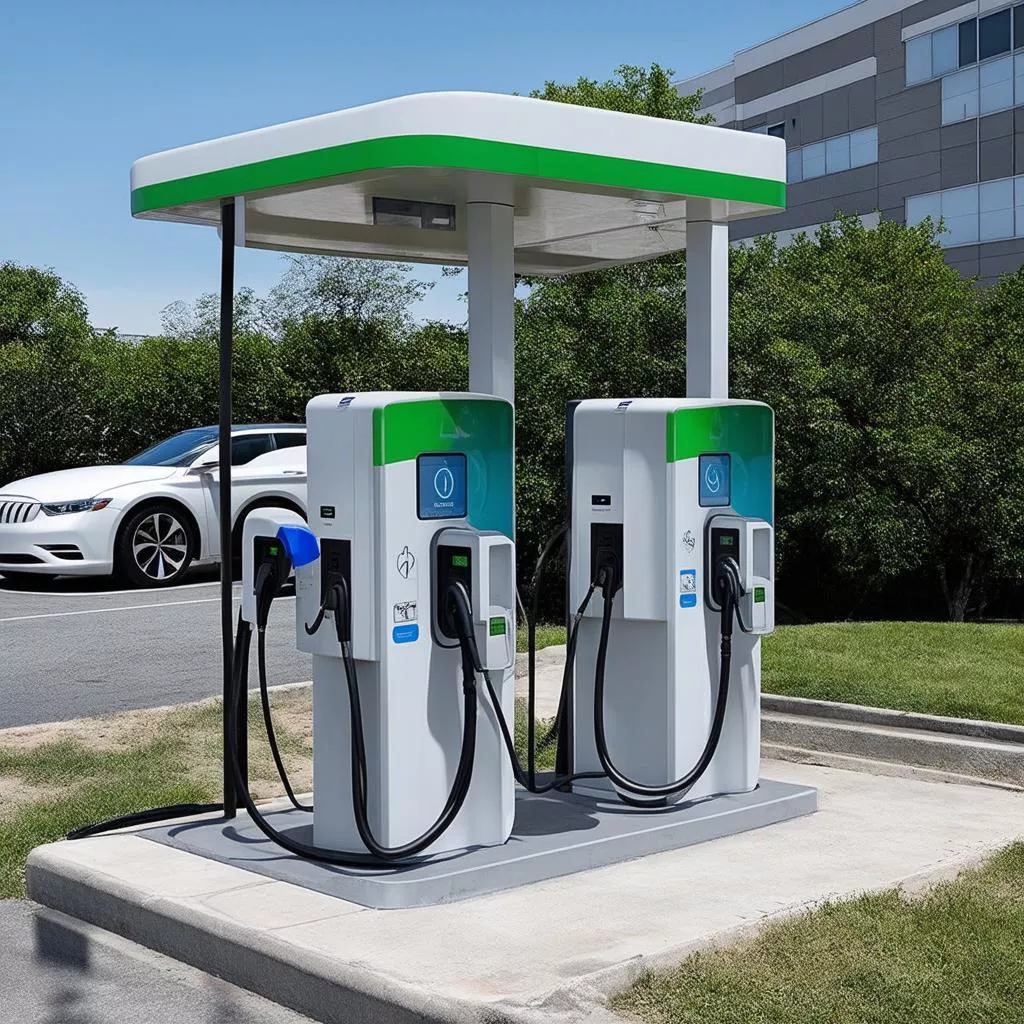 Electric vehicle charging station
Conclusion
With superior performance, environmental friendliness, and fuel efficiency, electric vehicles are poised to become the dominant mode of transportation in the future. Join XE TẢI HÀ NỘI in embracing the “green” trend in the transportation industry!









