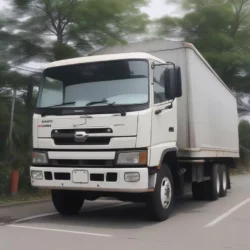
A robust factory security policy is crucial for protecting assets, personnel, and operations within the transportation industry. Effectively establishing and implementing this policy not only mitigates risks of loss and damage but also enhances a company’s reputation and brand image.
The Importance of Factory Security Policies in the Transportation Sector
Factory security policy in the transportation industry
The transportation industry frequently faces potential security threats such as theft, vandalism, and unauthorized entry. A comprehensive factory security policy acts as a shield, enabling businesses to proactively prevent and respond to unexpected situations, ensuring continuous and stable operations.
Core Elements of an Effective Factory Security Policy
An effective factory security policy should encompass the following key elements:
- Access Control: Strict regulations governing entry and exit for employees, customers, partners, and vehicles.
- Security Surveillance: Implementing surveillance systems, alarm systems, perimeter fencing, and other measures to monitor and control security throughout the facility.
- Fire Prevention and Safety: Establishing a compliant fire safety system and conducting regular training for employees on fire safety procedures and emergency evacuation.
- Asset Protection: Implementing measures to safeguard company assets, including trucks, cargo, equipment, and materials, from loss or damage.
- Personnel Management: Recruiting qualified security personnel with strong ethics and expertise, while also providing comprehensive security awareness training for all employees.
- Emergency Response: Developing a comprehensive plan to respond to emergencies such as fires, natural disasters, and terrorist threats.
Benefits of Implementing a Comprehensive Factory Security Policy
Implementing a well-defined factory security policy provides numerous tangible benefits for transportation companies:
- Enhanced Operational Efficiency: A secure work environment allows employees to focus on their tasks, leading to increased productivity.
- Risk Mitigation: Preventing and minimizing losses caused by security incidents, ensuring smooth business operations.
- Enhanced Brand Reputation: Demonstrating professionalism, reliability, and a commitment to security for customers and partners.
Building a Rock-Solid Factory Security Policy
To establish a robust and effective factory security policy, transportation companies should consider the following key points:
- Risk Assessment: Identifying potential security threats the company may face.
- Tailored Policy Development: Creating a security policy that aligns with the company’s size, operations, and specific circumstances.
- Training and Communication: Providing thorough training to employees on the security policy and raising awareness through communication and education.
- Monitoring and Evaluation: Regularly monitoring and evaluating the implementation of the security policy, promptly addressing any shortcomings or deficiencies.
Conclusion
A comprehensive factory security policy is essential for the sustainable development of transportation businesses. By establishing and implementing this policy effectively, companies can create a safe work environment, enhance operational efficiency, and solidify their brand reputation in the market.
Need Assistance? Contact Us:
- Phone: 0968239999
- Email: [email protected]
- Address: No. TT36 – CN9 Road, Tu Liem Industrial Park, Phuong Canh Ward, Nam Tu Liem District, Hanoi.
We have a 24/7 customer support team.