
Shopee’s secondhand selling policy is a hot topic, especially for those looking to start an online business with minimal investment. Selling pre-owned or secondhand clothing on Shopee is a growing trend, attracting both buyers and sellers. So, what are the rules and regulations? This article provides an overview of Shopee’s policy, outlining the opportunities and challenges of selling secondhand goods on this e-commerce platform.
Getting Started with Secondhand Sales on Shopee: What You Need to Know
When starting a secondhand business on Shopee, you need to understand the regulations regarding products, shipping, pricing policies, and dispute resolution. Shopee doesn’t have a specific policy for secondhand goods. You’ll need to adhere to the general seller policies applicable to everyone on the platform. This means your secondhand items must be of acceptable quality, not infringe on any copyrights, and be accurately described. Understanding these rules will help you avoid legal issues and build a reputable shop. You should also refer to examples of business policies for a better understanding of how to establish your own business policies.
Secondhand selling policy on Shopee
Shopee’s Secondhand Policy and Inventory Management
Inventory management is crucial when selling secondhand items. Due to the unique nature of pre-owned goods, each item is often one-of-a-kind. Accurate and timely inventory tracking and product updates on Shopee are essential. Utilizing inventory and sales management tools will help you optimize this process, preventing stockouts or accidental mis-selling. This also contributes to a positive customer experience and enhances your shop’s credibility. Refer to Tiki’s refund policy for insights into managing refunds and returns, a crucial aspect of your sales policy.
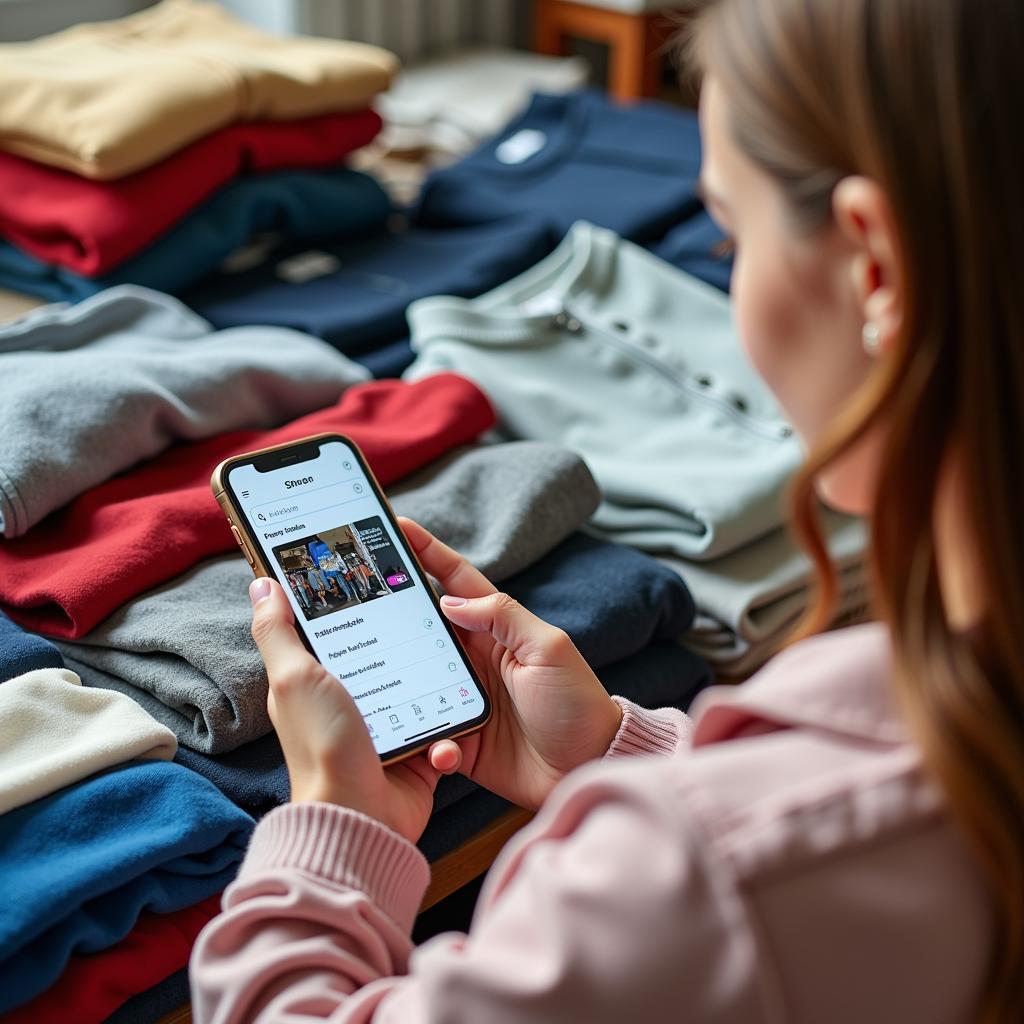 Secondhand inventory management
Optimizing Products and Utilizing Shopee’s Policy to Increase Sales
To boost sales in your secondhand business on Shopee, you need to optimize your product listings and implement effective marketing strategies. High-quality product photos, detailed and accurate descriptions, and relevant keywords are crucial for attracting potential customers. Participating in Shopee’s promotional programs, running ads, and building customer relationships are also vital for driving sales. Understanding Shopee’s secondhand selling policy and applying flexible business strategies will contribute to your success in this competitive market.
According to Nguyen Van A, an online business consultant, “Understanding the e-commerce platform’s policies and optimizing product listings are key to success in online business.”
 Optimizing secondhand product listings
Conclusion
Shopee doesn’t have a separate policy for secondhand goods; it falls under the general seller policies. Understanding these rules, combined with an effective business strategy, will help you maximize the potential of the secondhand market on Shopee. Selling pre-owned items on Shopee offers an opportunity for those with limited capital but requires persistence and effort.
FAQ
- Does Shopee have a specific policy for secondhand goods? No, secondhand goods fall under Shopee’s general seller policies.
- What do I need to prepare to sell secondhand items on Shopee? You need to register an account, prepare your products, and understand Shopee’s regulations.
- How can I increase sales when selling secondhand goods on Shopee? Optimize your product listings, run ads, and participate in promotional programs.
- Can my secondhand items be returned? It depends on your shop’s return policy and Shopee’s regulations.
- Can I sell counterfeit secondhand goods on Shopee? No, Shopee strictly prohibits the sale of counterfeit goods.
- What should I do if a customer complains about a secondhand product? Contact Shopee and resolve the complaint according to their regulations.
- Is it difficult to sell secondhand goods on Shopee? It requires persistence, effort, and a suitable business strategy.
Common Scenarios and Questions
- Customers asking about the origin of secondhand goods: Prepare a clear and honest answer about the source of your products.
- Customers wanting to see more product photos: Always have multiple photos from different angles ready.
- Customers asking about sizing: Provide a detailed size chart and measuring guide.
Pham Thi B, owner of a successful secondhand shop on Shopee, shares, “Customers are very concerned about the quality and origin of secondhand goods. Therefore, providing complete and honest information is crucial.”
Suggested Further Reading and Related Articles
You can learn more about human resources management reference books or the kitchen cabinet accessory warranty policy on our website. Additionally, the article on student employment policies may also be helpful.









