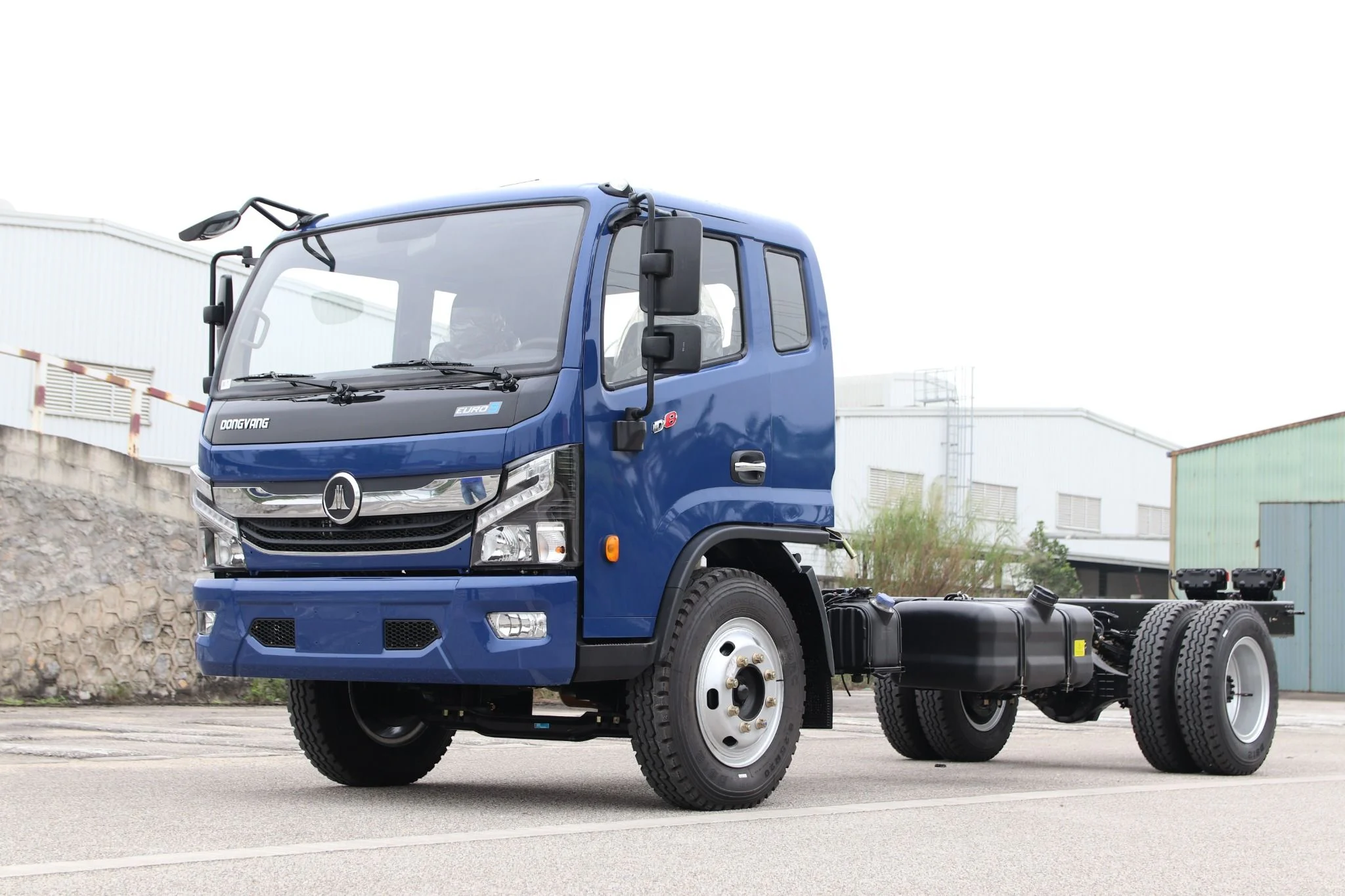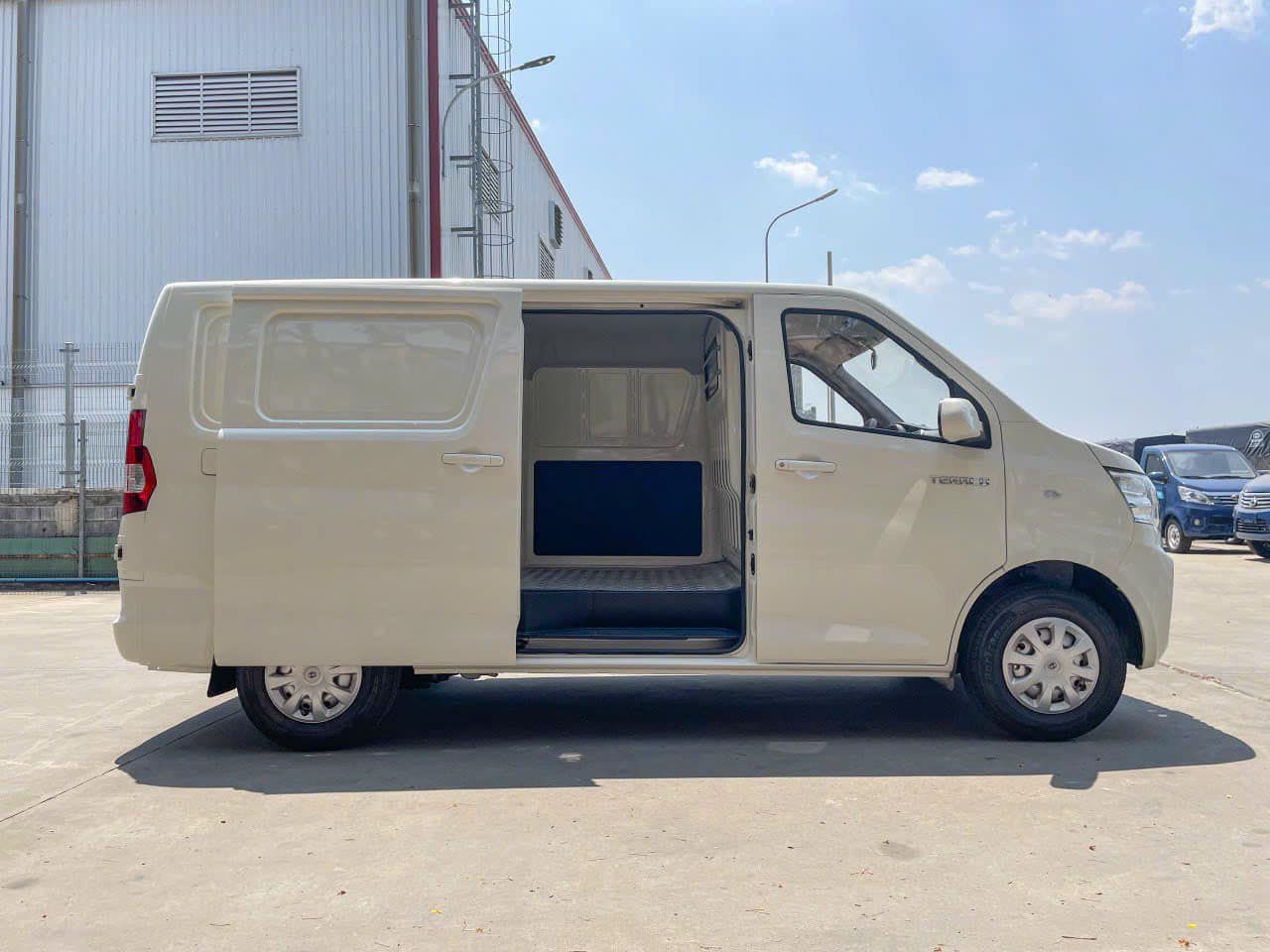
Rising protectionism is significantly impacting various industries, including the trucking industry. This shift presents both challenges and opportunities for trucking businesses, from box trucks and light-duty trucks to vans and larger trucks ranging from 1 ton to 8 tons.
Impact of Protectionist Policies on the Truck Market
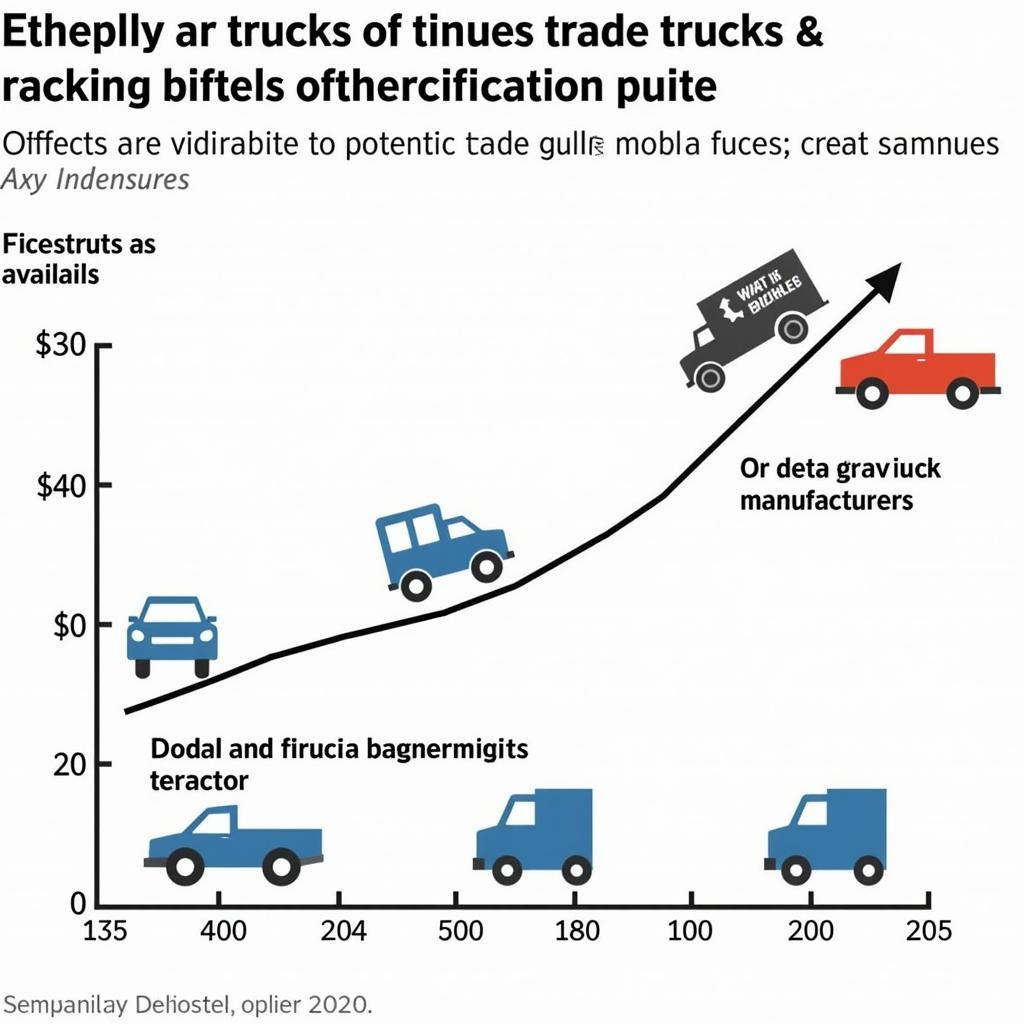
Protectionist policies, while intended to protect domestic economies, can create trade barriers, affecting the import of truck parts and vehicles. This can lead to increased truck prices, influencing purchasing decisions for trucking companies. Import restrictions can also reduce competition, resulting in fewer choices for consumers. Conversely, protectionism can create opportunities for domestic truck manufacturers to develop and compete.
Impact of protectionist policies on the truck market
Opportunities for Domestic Trucking Businesses
Rising protectionism creates opportunities for domestic truck manufacturers and assemblers. With reduced competition from imported trucks, these businesses can expand their market share and increase investment in research and development. This also stimulates the growth of supporting industries, creating jobs and contributing to economic growth.
Challenges for Trucking Businesses
Despite the opportunities, protectionist policies also pose challenges for trucking businesses. Increased prices for imported parts can raise production and repair costs. Furthermore, access to advanced technology from abroad may be restricted. Businesses need to adapt quickly to these changes to maintain competitiveness.
Protectionist Policies and Different Truck Types
Protectionist policies affect different types of trucks differently. For box trucks, light-duty trucks, and vans, the impact may be more pronounced due to the reliance on imported parts. For trucks ranging from 1 ton to 8 tons, the impact may be less significant but still requires careful consideration. See more library policy content.
How to Adapt to Protectionist Policies
Trucking businesses need to proactively understand and adapt to protectionist policies. Diversifying supply chains, investing in technology, and improving productivity are crucial strategies. Collaborating with domestic and international partners can also help businesses overcome challenges. Refer to policy decisions.
Conclusion
Rising protectionism presents both opportunities and challenges for the trucking industry. By staying informed, adapting proactively, and innovating, trucking businesses can overcome difficulties and achieve sustainable growth in this new landscape. See more official dealer list of Sunhouse Group.
FAQ
- What is protectionism?
- How does protectionism affect truck prices?
- What should trucking businesses do to adapt to protectionist policies?
- Is protectionism beneficial or harmful to the trucking industry?
- How does protectionism affect the import of truck parts?
- What support is available for trucking businesses in the context of protectionist policies?
- Does protectionism impact consumer choices in truck selection?
Suggested Questions and Related Articles
You can learn more about Vietnamese expatriate land ownership policies and Japanese education policy 2019.
Contact Us for Support
Phone: 0968239999, Email: [email protected] Or visit us at: TT36 – CN9 Road, Tu Liem Industrial Zone, Phuong Canh Ward, Nam Tu Liem District, Hanoi. We have a 24/7 customer support team.