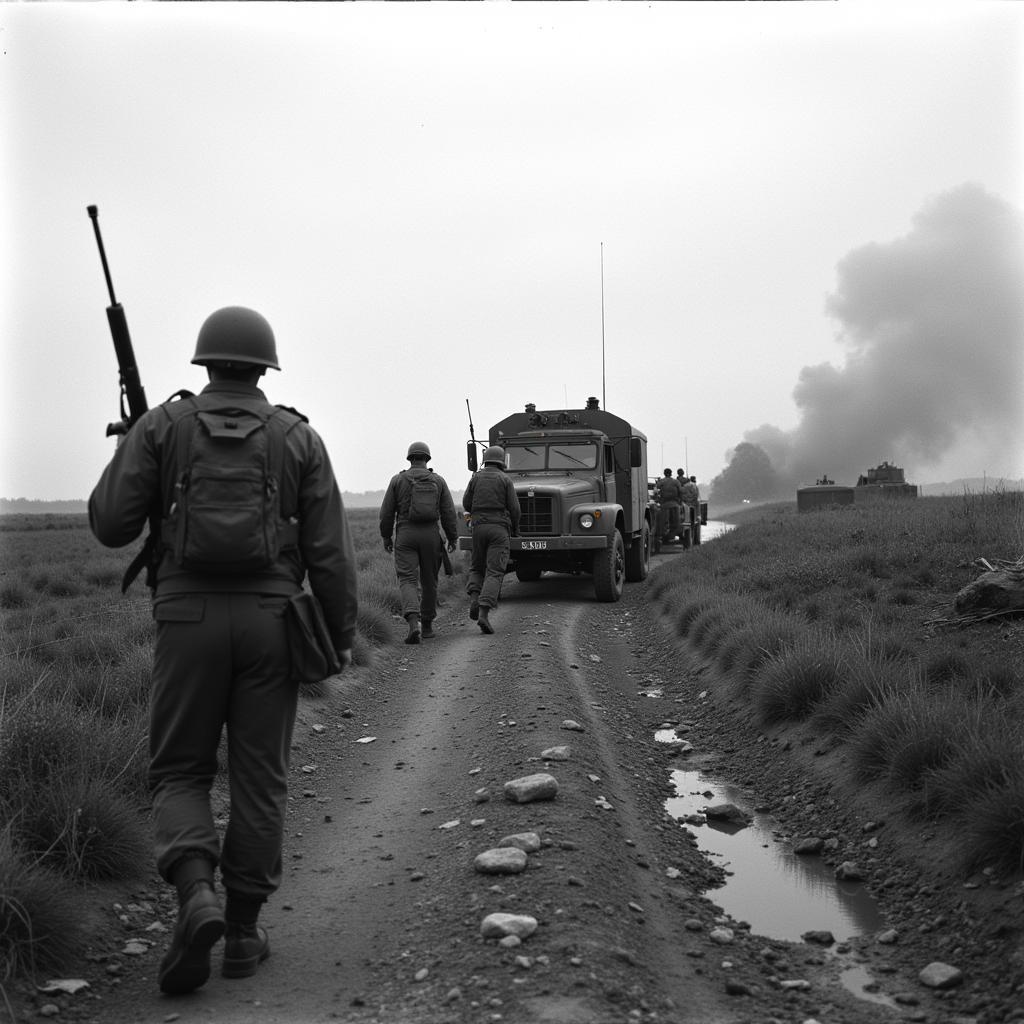
The US Cold War policy was fundamentally driven by the goal of containing the spread of communism globally. This article delves into various aspects of this policy, from the containment doctrine to the arms race and military interventions.
The Containment Doctrine and US Cold War Policy
The containment doctrine, considered the bedrock of US Cold War policy, arose from fears of Soviet expansion and the influence of communism. The US committed to supporting nations resisting Soviet pressure, through both economic and military aid. The formation of NATO stands as a clear testament to this commitment. Immediately following World War II, the US implemented the Marshall Plan, a large-scale economic aid program for Western European countries, aimed at facilitating their post-war recovery and preventing the spread of communism.
US policy in the South China Sea after the Cold War
The Arms Race and Global Tensions
The US Cold War policy was also inextricably linked to the arms race with the Soviet Union. Both superpowers amassed enormous nuclear arsenals, creating a state of perpetual tension across the globe. The Cuban Missile Crisis of 1962 exemplifies the perilous nature of this confrontation. The arms race not only consumed vast resources but also brought the world to the brink of nuclear war.
Military Intervention and US Cold War Policy
US Cold War policy extended beyond diplomatic and economic containment. The US engaged in military interventions in numerous conflicts worldwide, from the Korean War to the Vietnam War. These interventions were often justified as necessary to prevent the spread of communism, yet they also generated considerable controversy and lasting consequences.
US military intervention during the Cold War
The Vietnam War and its Impact on US Foreign Policy
The Vietnam War stands as one of the most prominent conflicts illustrating US Cold War policy. The protracted and costly US military intervention in Vietnam sparked widespread domestic and international controversy, profoundly impacting US foreign policy for decades to come.
Franklin Roosevelt, the Great Depression, and the New Deal
The Domino Theory and American Fears
The Domino Theory, which posited that the fall of one nation to communism would lead to the collapse of neighboring countries, played a significant role in shaping US Cold War policy. Fear of the domino effect fueled US intervention in numerous conflicts worldwide.
The Role of the CIA in the Cold War
The CIA, the US central intelligence agency, played a crucial, and sometimes controversial, role in executing US Cold War policy. From covert operations to supporting anti-communist regimes, the CIA engaged in numerous activities aimed at containing the spread of communism.
 The CIA's role in the Cold War
The policy of using Vietnamese to fight Vietnamese
Conclusion
The US Cold War policy coincided with a period of intense global turmoil and tension. From the containment doctrine to the arms race and military interventions, this policy shaped the global landscape during the latter half of the 20th century. Understanding this policy is crucial for accurately assessing history and contemporary international affairs.
What was not a foreign policy of the Soviet Union?
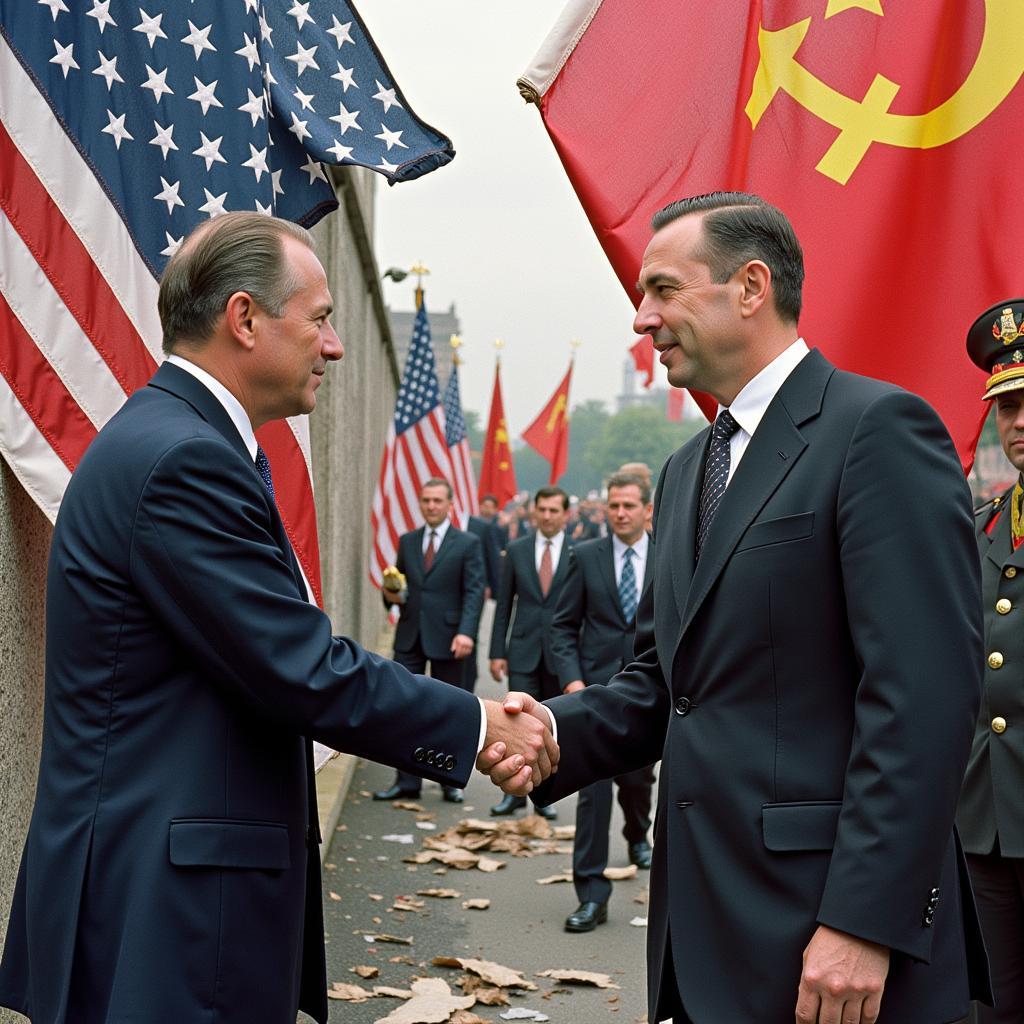 Conclusion on the Cold War Policy
FAQ
- What was the containment doctrine?
- How did the arms race impact the world?
- What was the role of the CIA in the Cold War?
- What was the Domino Theory?
- How did the US Cold War policy affect Vietnam?
- What were the lasting consequences of the Cold War?
- Which countries did the US support during the Cold War?
Common Questions and Scenarios
Customers often inquire about the policy of using Vietnamese to fight Vietnamese, US policy in the South China Sea after the Cold War, and what was not a foreign policy of the Soviet Union.
Suggested Related Questions and Articles
You can learn more about Facebook spam policies and Franklin Roosevelt, the Great Depression, and the New Deal.









