
Population policy is a system of measures and regulations implemented by the government to manage and regulate issues related to population, including demographics, labor, employment, and other social matters. This policy plays a crucial role in ensuring the sustainable development of a nation. Below, we will delve deeper into the importance of population policy and its impact on society.
The Role of Population Policy in Society
Population policy impacts many aspects of social life, from economics, culture, and education to healthcare and social welfare. An effective population policy helps balance population growth, improve quality of life, and create favorable conditions for socio-economic development. Refer to the specific content of ethnic policies for a more comprehensive understanding of specific policies.
Impact on the Economy
A sound population policy helps regulate population size and structure, creating a workforce that meets the needs of economic development. Controlling population growth reduces pressure on resources and social infrastructure, while facilitating investment in education and training, enhancing the quality of human resources.
Impact of population policy on the economy
Impact on Culture and Society
Population policy also influences culture and society. For example, policies encouraging smaller families can shift traditional views on family and the role of women in society. This policy also helps improve reproductive health and reduce maternal and child mortality rates.
Improving Quality of Life
An effective population policy contributes to improving the quality of life for citizens. By controlling population growth, the government can focus on investing in public services such as healthcare, education, and housing, creating a better living environment. See examples of population policy directions for further details.
Common Challenges in Implementing Population Policy
Implementing population policy faces numerous challenges, especially in developing countries. Some common issues include:
- Limited public awareness of population policies.
- Lack of resources and infrastructure to implement policies effectively.
- Difficulties in monitoring and evaluating policy effectiveness.
Solutions for the Future
For population policy to be effective, close coordination between the government, social organizations, and citizens is necessary. Increased public awareness campaigns and education are needed to highlight the importance of population policy. Simultaneously, investing in resources and infrastructure is crucial for effective policy implementation. Consult the development of civil policies for more information.
Population Policy and Employment
Population policy directly impacts the labor market. A young and dynamic population creates an abundant labor supply, driving economic growth. However, if not managed well, rapid population growth can lead to unemployment and underemployment. Refer to the essay on population policy and employment for a deeper understanding of this relationship.
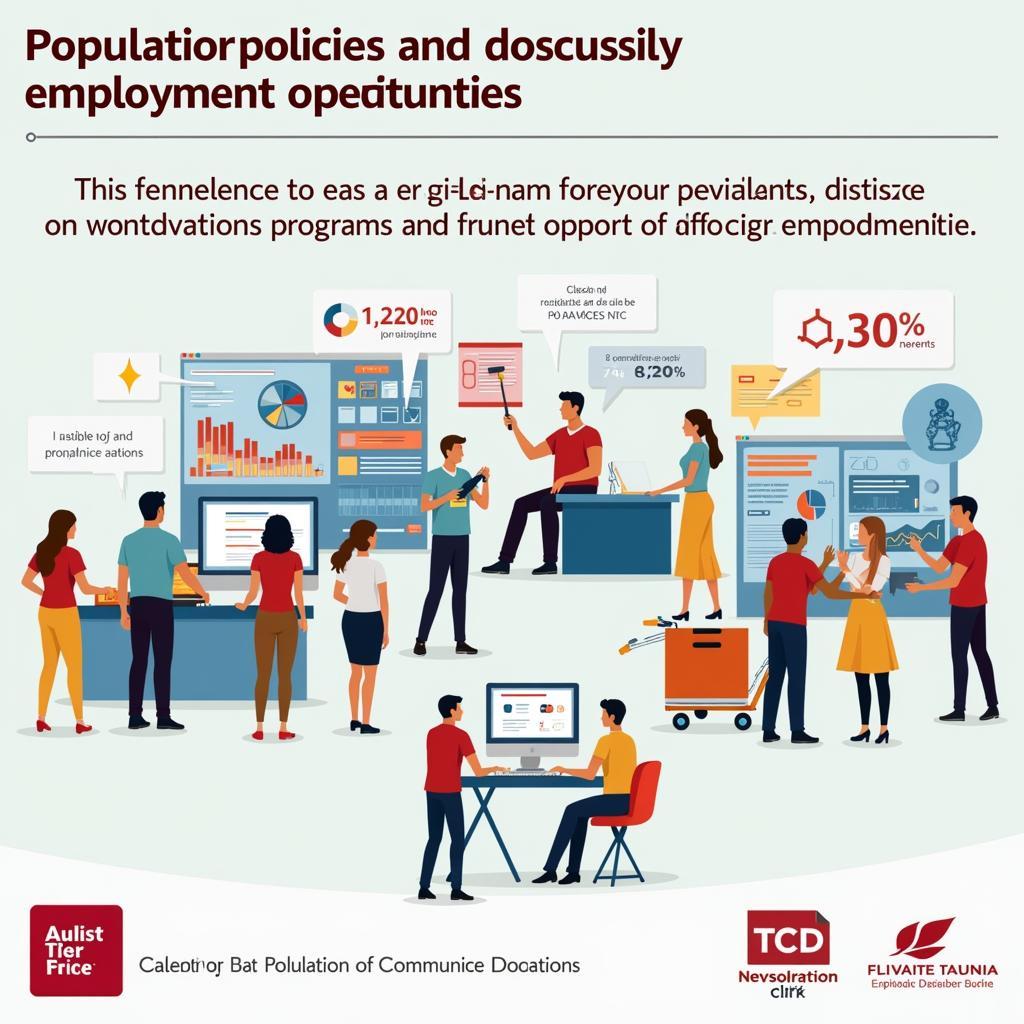 Population policy and employment in Vietnam
Conclusion
Population policy is a critical component of each nation’s sustainable development strategy. Developing and implementing effective population policies requires a society-wide effort. Close collaboration between the government, social organizations, and citizens is essential to achieve the goals of population control, improved quality of life, and socio-economic development. Stay updated on new regulations regarding population policy for the latest information.
FAQ
- What is population policy?
- What is the importance of population policy?
- How does population policy affect the economy?
- What are the challenges in implementing population policy?
- What are the solutions for the future of population policy?
- How does population policy affect employment?
- Where can I learn more about population policy?
Common Scenarios and Questions
Clients are often interested in how population policy affects their job opportunities, livelihoods, and future. They also want to know about government support policies for family planning and related healthcare services.
Suggested Related Questions and Articles
You can learn more about related topics such as social policy, social security, and sustainable development on our website.









