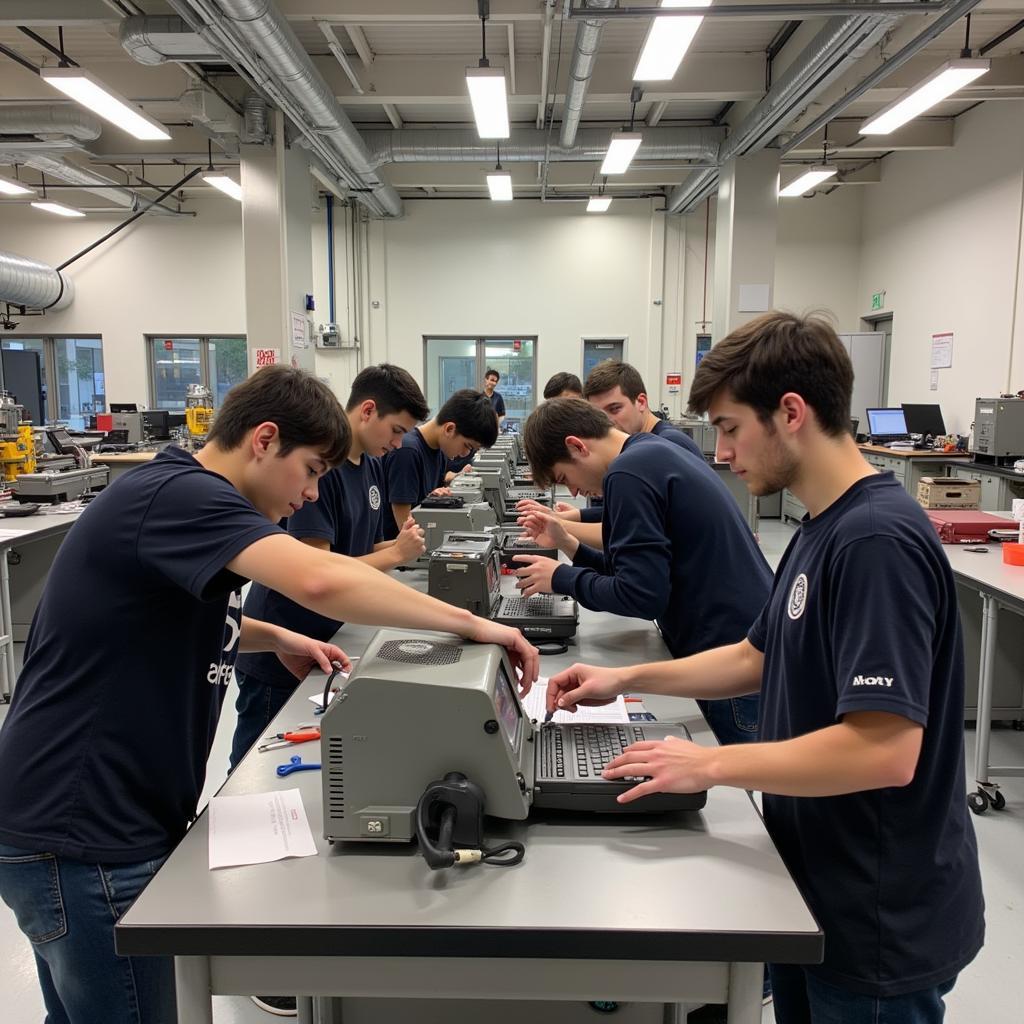
Investment policies in vocational education play a crucial role in developing a high-quality workforce that meets the demands of the labor market. Effective and targeted investments can enhance labor productivity, stimulate economic growth, and improve people’s lives.
The Importance of Investment in Vocational Education
Vocational education bridges the gap between training and employment, equipping individuals with the necessary skills and knowledge to meet market demands. Investment policies in this sector require comprehensive consideration, encompassing infrastructure development, teacher training, and collaboration with businesses. A robust vocational education system contributes to reducing unemployment, increasing worker income, and enhancing national competitiveness. This requires close cooperation between the government, businesses, and training institutions. Policies are needed to encourage businesses to participate in the training process, from financial contributions and equipment provision to accepting students for internships and employment.
Aspects of Investment Policies in Vocational Education
Investment policies in vocational education cover various aspects, from curriculum development to student support. Clear investment objectives, target beneficiaries, and required resources must be defined. Investment in modern facilities and equipment is crucial for improving training quality. Furthermore, training and developing a highly qualified teaching staff with strong pedagogical skills is paramount. Scholarship policies and financial aid for disadvantaged students should also be prioritized to ensure equal access to vocational education for all.
Investing in Facilities and Equipment
Investing in modern facilities and equipment is a prerequisite for enhancing the quality of vocational training. Vocational schools need to be equipped with the latest technologies aligned with labor market demands. This allows students to gain practical experience, improve their skills, and meet industry requirements.
Modern equipment for vocational schools
Enhancing Teacher Quality
Teachers play a key role in imparting knowledge and skills to students. Investment policies in vocational education must focus on training, developing, and improving the quality of the teaching staff. Specialized training programs, updates on new knowledge, pedagogical skills development, and practical experience opportunities for teachers are essential.
Similar to tax administration policies, investment policies in vocational education must be managed transparently and effectively.
Student Support
Student support, particularly for disadvantaged students, is a vital component of vocational education investment policies. Scholarship programs, financial aid, accommodation assistance, and job placement support after graduation will attract students and ensure social equity.
 Vocational student support
Conclusion
Investment in vocational education is crucial for socio-economic development. Effective and targeted investments benefit individuals, businesses, and the nation. Close collaboration among stakeholders is necessary to build a vocational education system that meets labor market needs and contributes to improving the quality of life for all citizens.
FAQ
- What are investment policies in vocational education?
- What is the importance of investing in vocational education?
- What are the key aspects of these investment policies?
- Who benefits from these policies?
- How can the effectiveness of investment policies be evaluated?
- What is the role of businesses in developing vocational education?
- What are the future trends in vocational education?
This shares similarities with the younger generation and education and training policies as both focus on human resource development. A detailed example regarding policies for commune police chiefs is… For those interested in Singapore’s immigration policies, this content will be helpful… To understand more about the implementation of state laws and policies, you can…
For assistance, please contact us at Phone: 0968239999, Email: [email protected] or visit us at: TT36 – CN9 Road, Tu Liem Industrial Zone, Phuong Canh Ward, Nam Tu Liem District, Hanoi. We have a 24/7 customer service team.