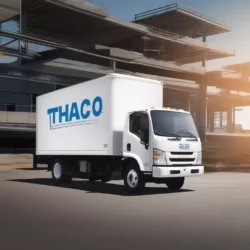
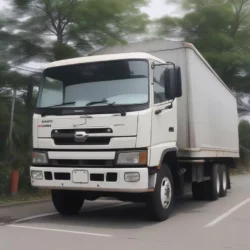
Push strategy is a crucial factor influencing trucking businesses, especially those operating box trucks, light trucks, vans, and trucks with capacities of 1 ton, 2 tons, 3.5 tons, and 8 tons. This article will delve into push strategy, its benefits, challenges, and effective coping mechanisms.
What is Push Strategy?
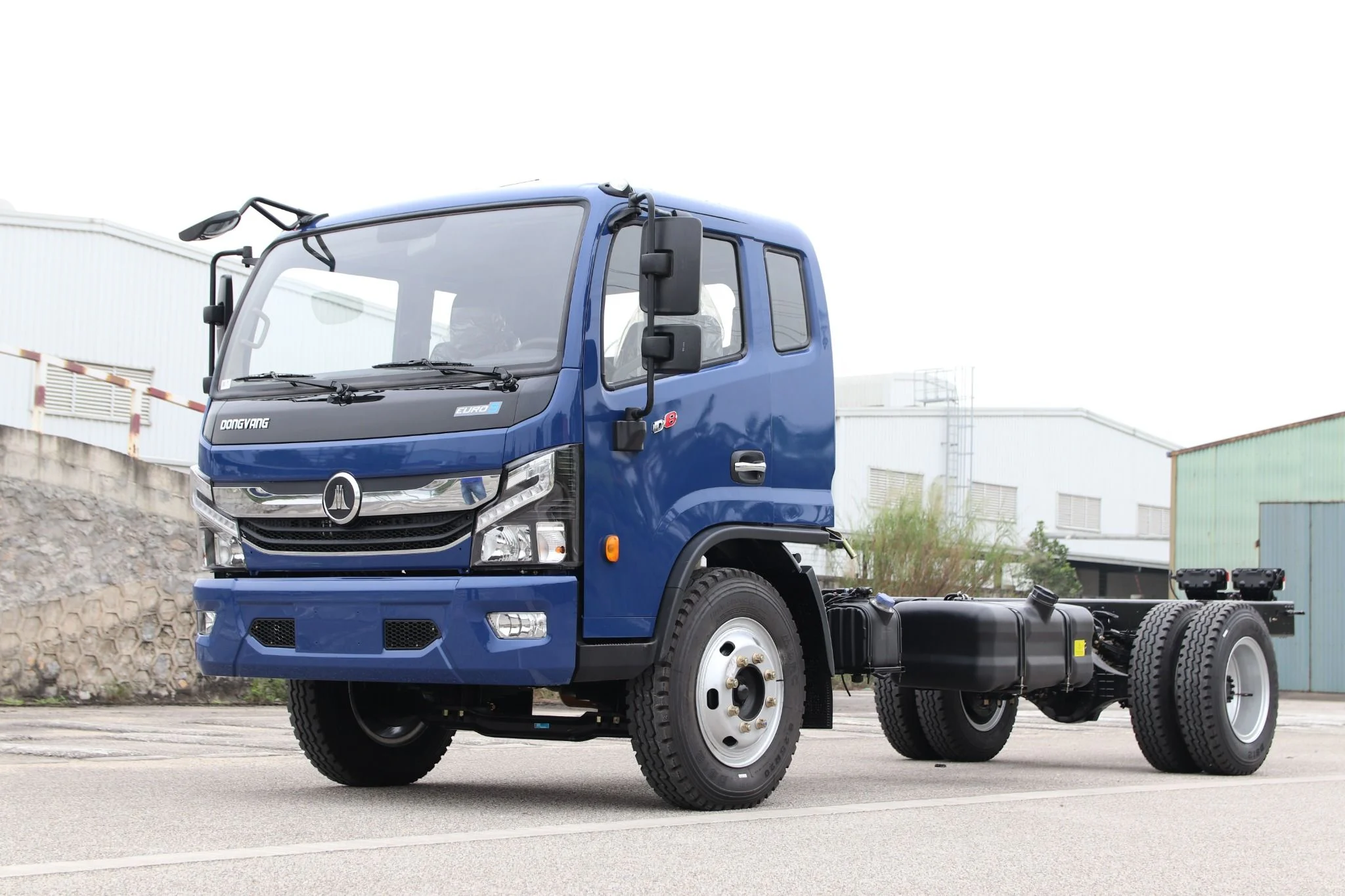
Push strategy, also known as a push promotional strategy, focuses on pushing a product through distribution channels to consumers. In the trucking industry, it involves transportation companies proactively seeking and collaborating with manufacturers and distributors to transport goods. This requires a diverse fleet, ranging from light to heavy-duty trucks, to meet various cargo needs. For instance, 1-ton and 2-ton trucks are suitable for inner-city deliveries, while 3.5-ton and 8-ton trucks cater to long-haul routes and bulk transportation.
Push Strategy and Light Trucks: Efficient Goods Transportation
Benefits of Push Strategy in the Trucking Industry
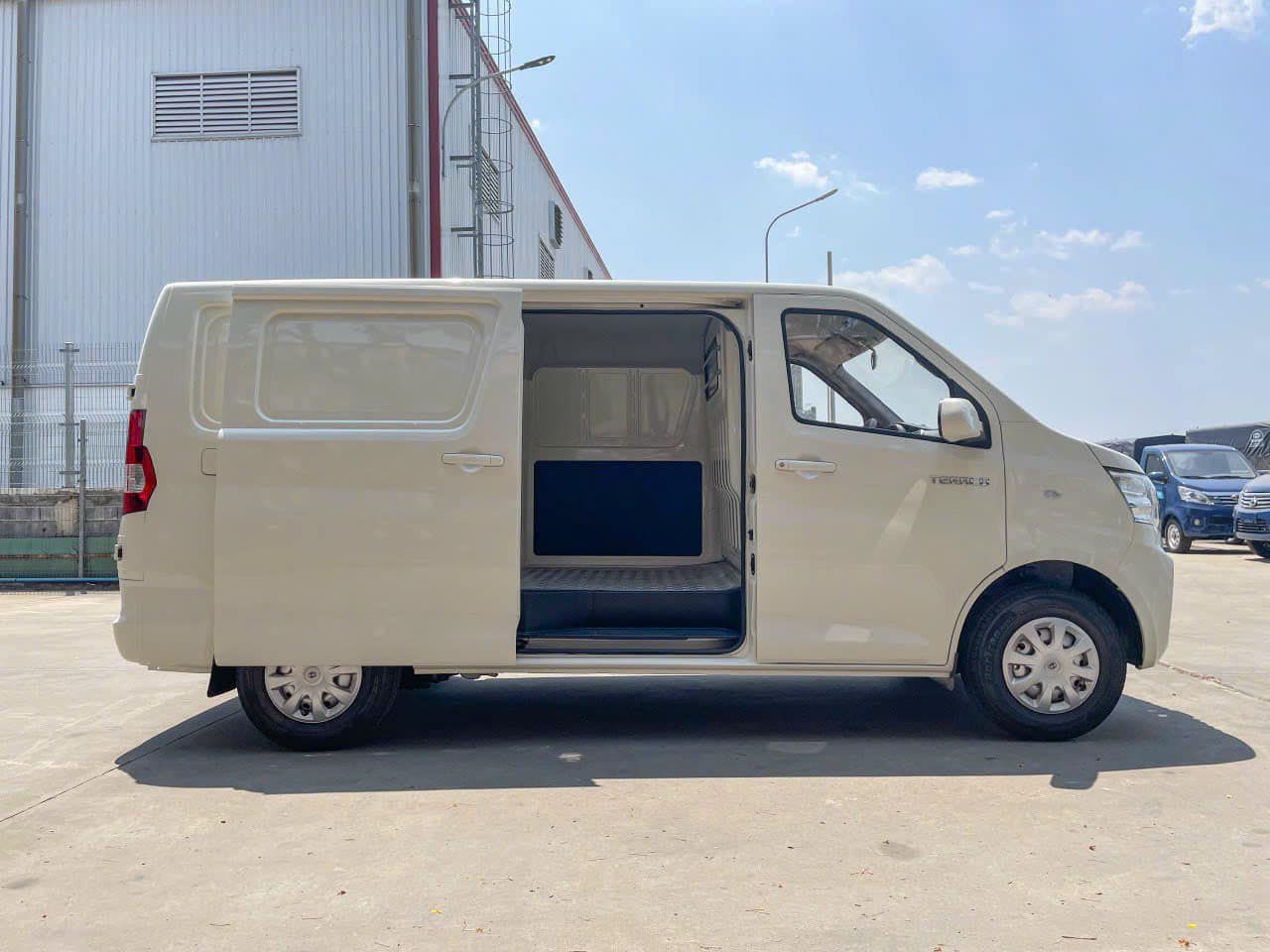
Push strategy offers numerous benefits to trucking companies. Firstly, it ensures a stable flow of goods, increasing revenue and profit. Secondly, it helps expand the customer base and strengthen partnerships. The diverse payload capacities of vans and box trucks enhance the flexibility and effectiveness of push strategy implementation. Finally, it elevates the company’s competitiveness in the market.
Similar to Adayroi’s policy, push strategy focuses on promoting products/services to consumers.
Challenges of Push Strategy
Besides the benefits, push strategy presents challenges for trucking companies. One major challenge is the cost of fleet operation and maintenance. For trucks like 1-ton, 2-ton, 3.5-ton, and 8-ton vehicles, maintenance, repairs, and fuel costs can be substantial. Furthermore, competition with other trucking companies poses a significant hurdle.
 Competition in Truck Push Strategy: Trucking Companies Competing
How to Address the Challenges of Push Strategy?
To overcome these challenges, trucking companies need a clear strategy. Firstly, optimizing operational processes to minimize costs is crucial. Secondly, investing in technology to enhance service quality is essential. For example, using intelligent transportation management systems enables efficient vehicle monitoring and coordination. Thirdly, building sustainable relationships with customers and partners is vital. This aligns with the non-retaliation policy in fostering long-term collaborations.
Optimizing Push Strategy for Different Truck Types
Optimizing push strategy should be tailored to each truck type. For light trucks like vans, 1-ton, and 2-ton vehicles, the strategy should focus on inner-city deliveries and fast shipping. For 3.5-ton and 8-ton trucks, it should target long-haul transportation and bulk cargo.
To understand more about the night-time economy promotion policy, you can refer here.
Conclusion
Push strategy is a vital strategy for sustainable growth in the trucking industry. However, for effective implementation, companies must understand its benefits, challenges, and have appropriate coping strategies. Choosing the right truck type, from vans, box trucks, 1-ton, 2-ton, 3.5-ton to 8-ton trucks, plays a crucial role in optimizing push strategy.
FAQ
- What is push strategy?
- What are the benefits of push strategy in the trucking industry?
- What are the challenges of push strategy?
- How to address the challenges of push strategy?
- How to optimize push strategy for different truck types?
- Is push strategy suitable for vans?
- Does push strategy affect freight rates?
A detailed example of the Black Friday program policy is…
For those interested in the policy to promote agricultural mechanization, this content will be helpful…
For assistance, please contact Phone Number: 0968239999, Email: [email protected] Or visit us at: TT36 – CN9 Road, Tu Liem Industrial Park, Phuong Canh Ward, Nam Tu Liem District, Hanoi. We have a 24/7 customer service team.