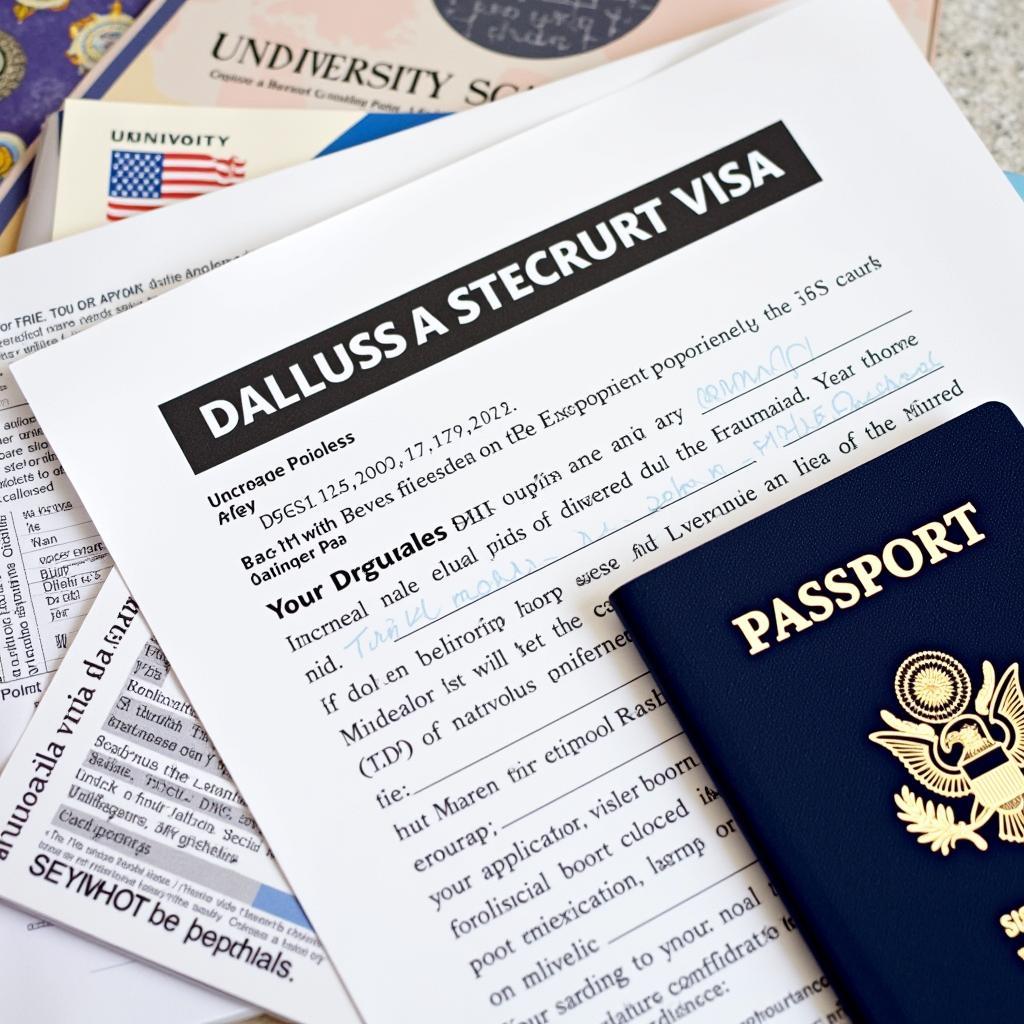
The 2019 US student visa policies are still relevant for those researching past trends and understanding fundamental requirements. This article provides an overview of the key aspects of the 2019 policies, including visa requirements, tuition fees, and living expenses.
US Student Visas in 2019: Requirements and Procedures
In 2019, the US student visa process primarily revolved around the F-1 visa for full-time academic students and the M-1 visa for vocational students. Securing a visa required acceptance into a SEVP-certified school, demonstrating sufficient financial resources to cover tuition and living expenses, and clearly expressing the intent to return home after completing the program. The application process involved completing the DS-160 form, paying the required fees, and attending an interview at a US Consulate or Embassy. Thorough preparation for the visa interview was crucial for a successful outcome.
US Student Visa Application Process in 2019
Tuition Fees and Living Expenses in 2019
Tuition fees and living expenses in the US were a significant consideration in 2019. Tuition costs varied depending on the institution, program of study, and state of residence. Private universities generally had higher tuition fees compared to public universities. In addition to tuition, students needed to budget for accommodation, food, transportation, books, and other miscellaneous expenses. Thorough research into the cost of living in the chosen study area was essential for effective financial planning.
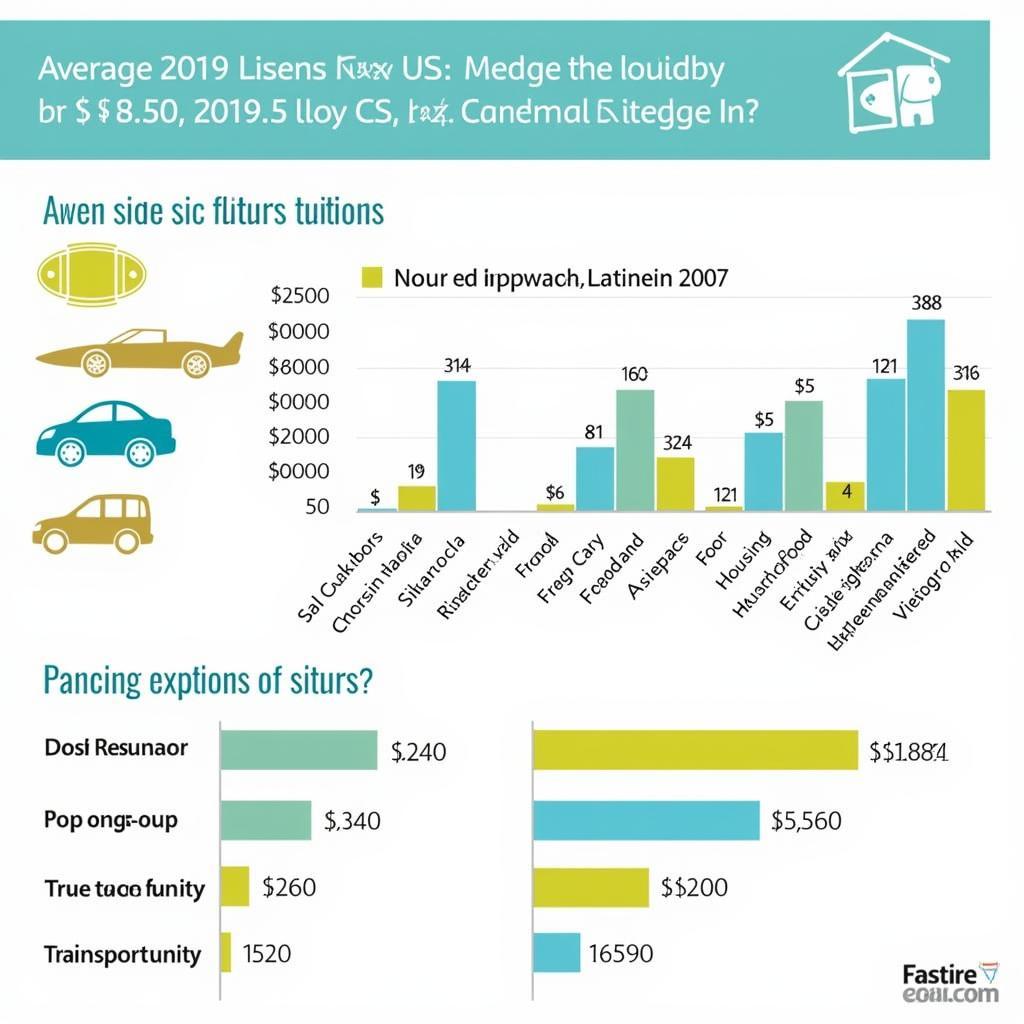 Tuition and Living Expenses in the US in 2019
Key Policy Changes in 2019
While there were no major policy overhauls affecting international students in 2019, minor adjustments were made to visa processing procedures and financial requirements. Staying updated on announcements from the US Embassy and Consulates was crucial to ensure compliance and avoid potential issues.
Conclusion
Successfully navigating the 2019 US student visa process required meticulous preparation. From visa applications and financial planning to researching educational institutions and understanding American culture, each step was crucial. This article provided a comprehensive overview of the key aspects of the 2019 US student visa policies.
FAQ
- What is the difference between an F-1 and an M-1 visa?
- How can I prove my financial ability when applying for a US student visa?
- What should I prepare for the visa interview?
- What was the average cost of living in the US in 2019?
- Can I work part-time while studying in the US?
- Are there any scholarships available for international students in the US?
- How can I find suitable accommodation in the US?
To learn more about support policies, you can refer to the article ngân hàn chính sách huyện kế sách sóc trăng.
For assistance, please contact us by phone: 0968239999, Email: [email protected] or visit our address: No. TT36 – CN9 Road, Tu Liem Industrial Park, Phuong Canh Ward, Nam Tu Liem District, Hanoi. We have a 24/7 customer support team.









