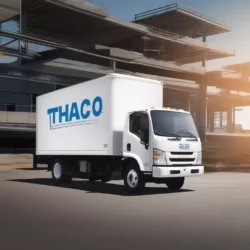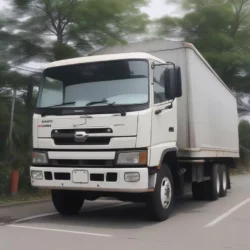
Evidence-based decision-making plays a crucial role in selecting the right truck for your business needs. This article will analyze how to apply a data-driven approach to make effective truck purchasing decisions, from box trucks and light trucks to vans and trucks with capacities of 1 ton, 2 tons, 3.5 tons, and 8 tons.
Understanding Data-Driven Decision-Making in the Transportation Industry
Data-driven decision-making, in the context of truck selection, means using data, analysis, and factual information to make optimal purchasing decisions. This method helps businesses avoid waste, maximize operational efficiency, and increase profitability. Careful consideration of factors such as payload, cargo type, transportation distance, and operating costs is essential.
Applying a Data-Driven Approach to Different Truck Types
Box Trucks
For box trucks, determining the appropriate box size for the type of cargo is a key factor. Data on the daily volume of goods transported, cargo dimensions, and shipping frequency will help you choose the right box truck.
Light Trucks and Vans
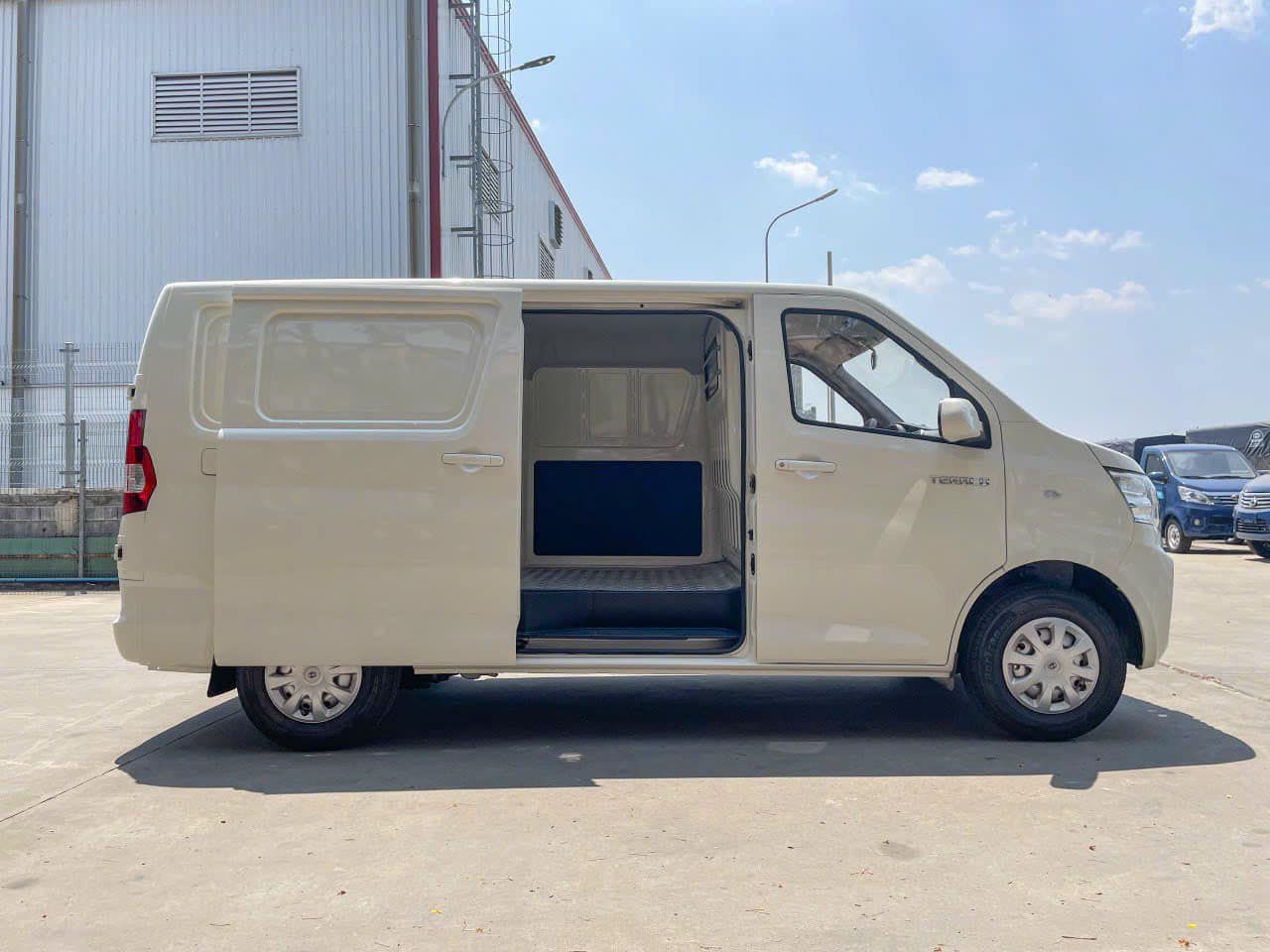
Light trucks and vans are commonly used for urban transportation. A data-driven approach will help you analyze factors such as maneuverability in narrow streets, fuel consumption, and maintenance costs to select the optimal vehicle.
1 Ton, 2 Ton, 3.5 Ton, and 8 Ton Trucks
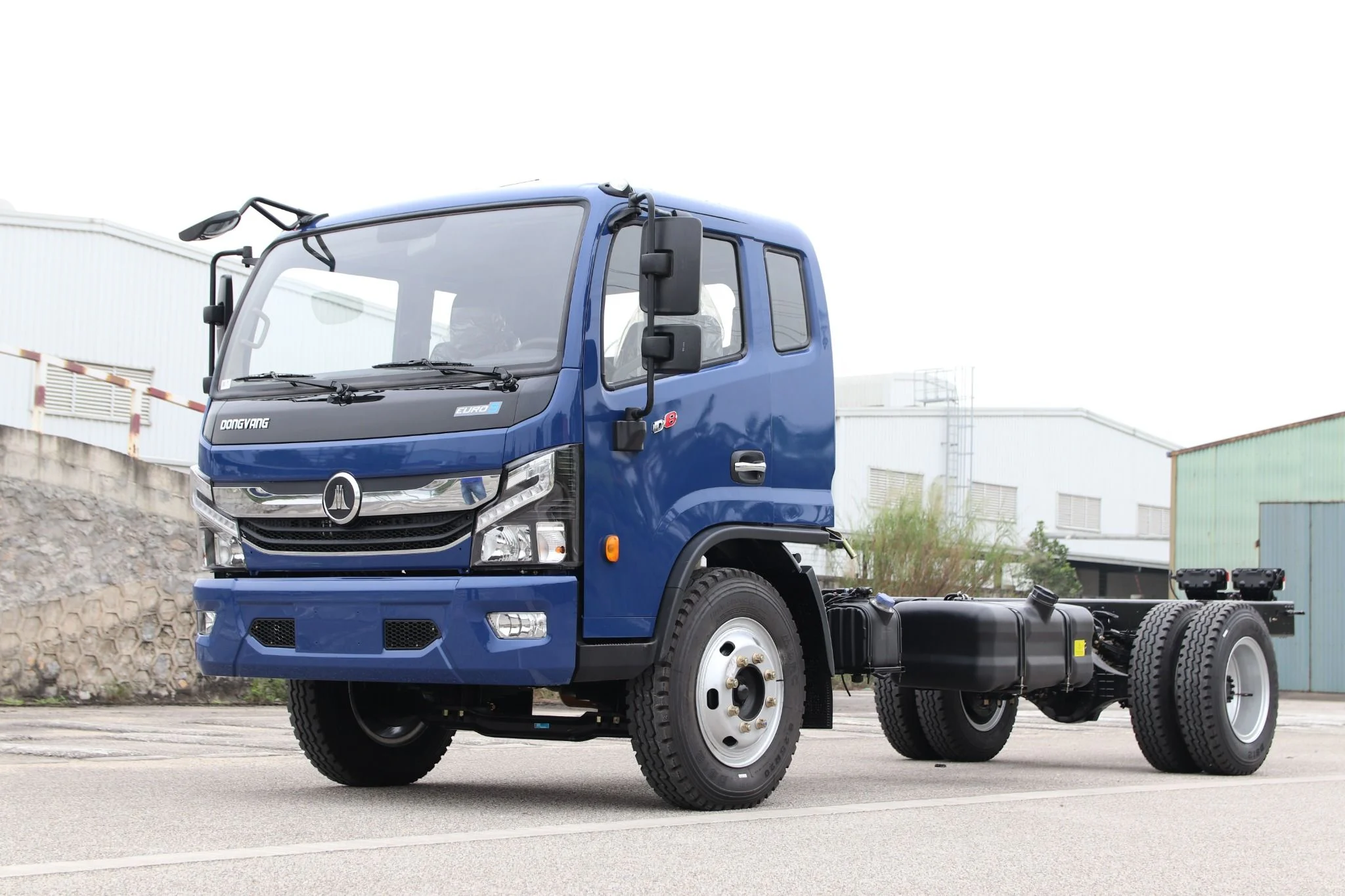
Depending on the cargo weight, you can choose a 1-ton, 2-ton, 3.5-ton, or 8-ton truck. Analyzing data on average cargo weight, operating costs, and transportation distance will help you make the right decision.
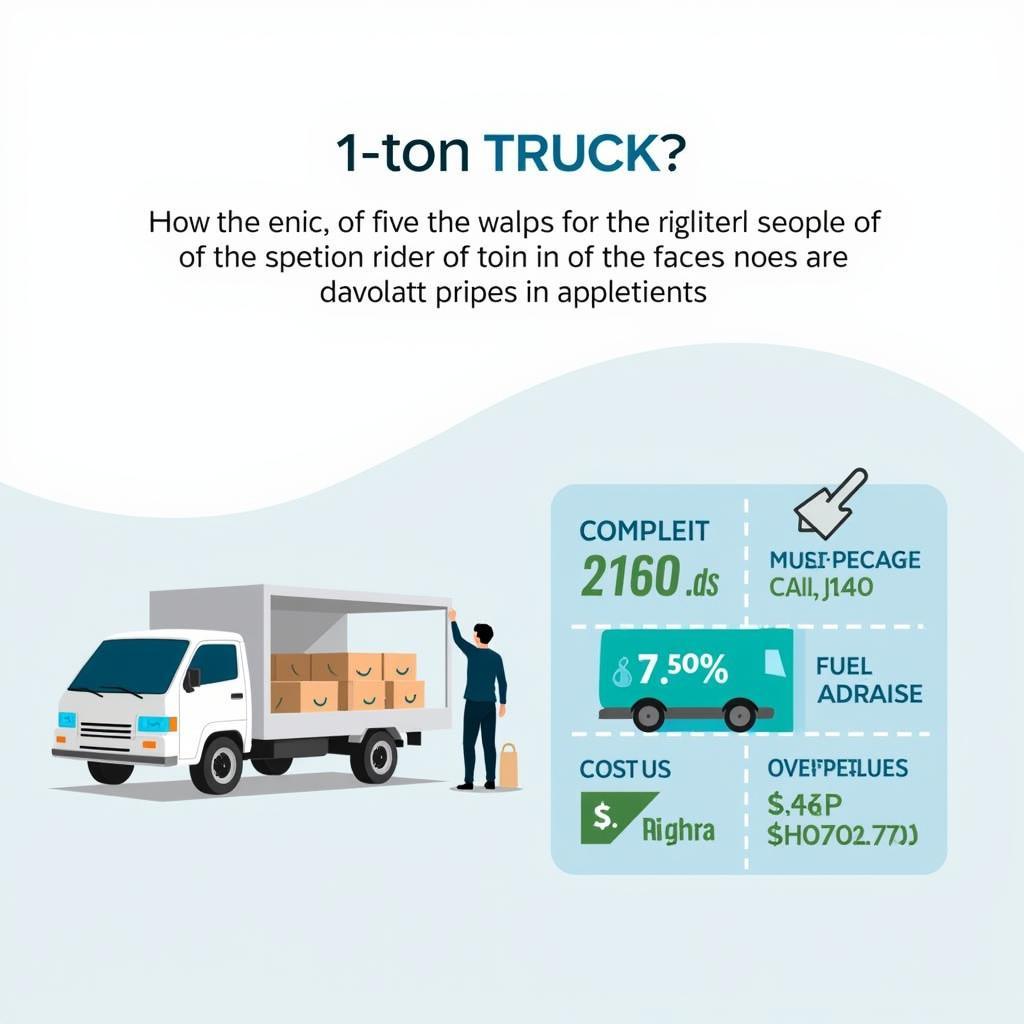
Data-driven approach to choosing a 1-ton truck
Optimizing Operating Costs
A data-driven approach not only helps you choose the right type of truck but also optimizes operating costs. By collecting data on fuel consumption, maintenance costs, and maintenance schedules, you can minimize expenses and increase operational efficiency.
Factors to Consider When Applying a Data-Driven Approach
When applying a data-driven approach, you need to consider the following factors:
- Cargo Type: Fragile goods, dry goods, frozen goods, etc.
- Cargo Volume: Weight and dimensions of the transported goods.
- Transportation Distance: Distance of cargo transportation.
- Road Conditions: Flat roads, mountainous roads, urban roads.
Benefits of Applying a Data-Driven Approach
Applying a data-driven approach offers many benefits, including:
- Cost Optimization: Minimizing operating and maintenance costs.
- Increased Efficiency: Increasing transportation productivity and reducing delivery times.
- Accurate Decision-Making: Selecting the most suitable truck for business needs.
Conclusion
A data-driven approach is crucial for businesses to choose smart and efficient trucks. By analyzing data and factual information, you can optimize transportation operations and enhance profitability.
 Applying a data-driven approach to truck selection
FAQ
- What is a data-driven approach?
- How to apply a data-driven approach when choosing a truck?
- What factors should be considered when applying a data-driven approach?
- What are the benefits of applying a data-driven approach?
- Where can I find more information about data-driven decision making?
- Does Xe Tai Ha Noi offer truck selection consulting services?
- What is the warranty policy of Xe Tai Ha Noi?
For assistance, please contact Phone Number: 0968239999, Email: [email protected] Or visit us at: TT36 – CN9 Road, Tu Liem Industrial Zone, Phuong Canh Ward, Nam Tu Liem District, Hanoi. We have a 24/7 customer service team.