Electricity pricing policies are crucial, impacting economies and people’s lives significantly. This article analyzes these policies across different countries, comparing similarities and differences, and drawing lessons for Vietnam.
Comparing International Electricity Pricing Policies
Each nation’s electricity pricing reflects its economic and social context, as well as its energy resources. Some countries embrace free market mechanisms, while others maintain government control. Comparing these policies globally illuminates the challenges and opportunities within the energy sector.
Electricity Pricing Mechanisms
Various pricing mechanisms exist worldwide. Some nations utilize fixed pricing, while others adopt market-based models. Each mechanism has its pros and cons. For instance, fixed pricing ensures consumer stability but may not incentivize energy conservation. Conversely, market-based pricing fosters competition and efficiency but can lead to price volatility.
Impact of Electricity Pricing Policies on the Economy
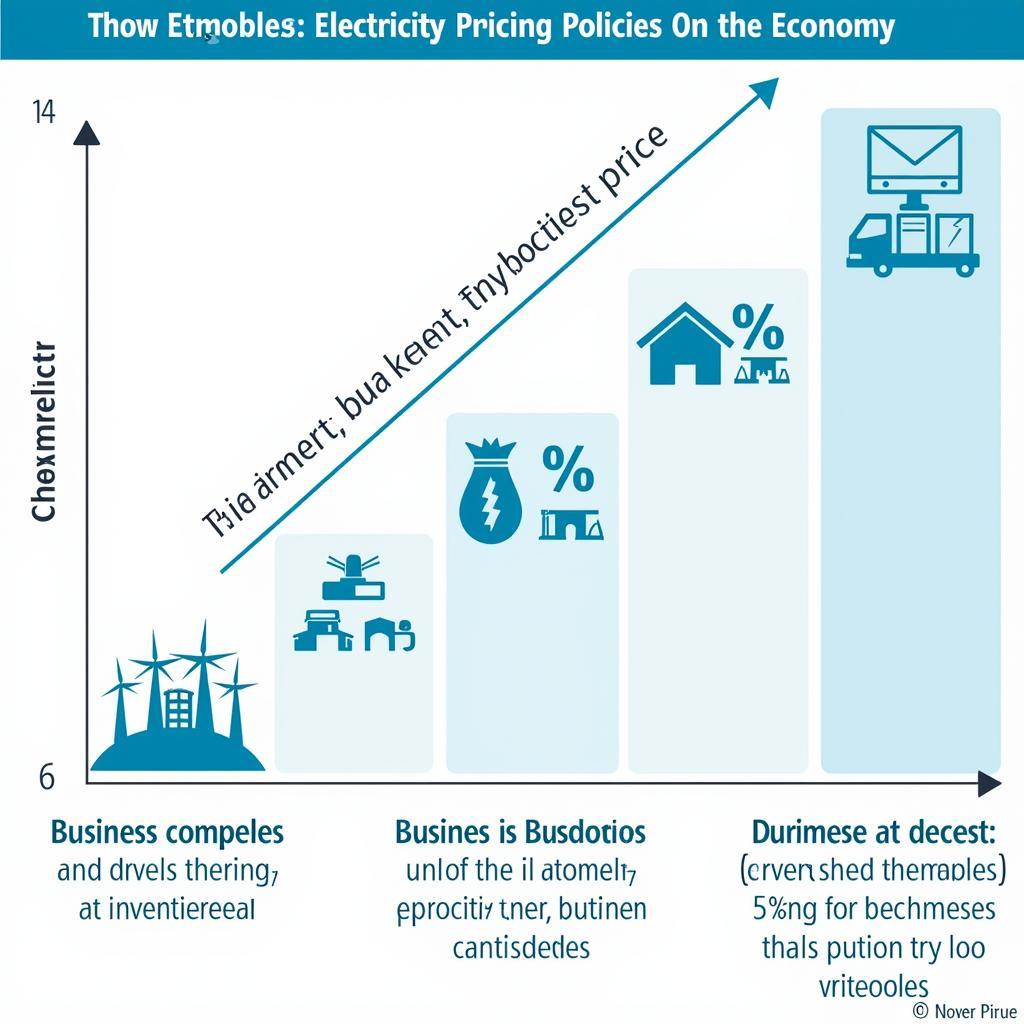
Electricity pricing significantly impacts economies. High prices can reduce business competitiveness, while low prices can stimulate investment and economic growth. However, excessively low prices can lead to energy waste and strain national budgets. For example, electricity subsidies can impose a substantial financial burden on governments. A sound electricity pricing policy must balance the interests of consumers, businesses, and the state.
Impact of Electricity Pricing Policies on the Economy
Lessons for Vietnam
Vietnam can learn from other countries’ experiences in formulating electricity pricing policies. Thorough research into various pricing models is crucial to select one that aligns with Vietnam’s socio-economic conditions. Diversifying energy sources and promoting renewable energy are also vital lessons. Similar to Vietnam’s green agriculture development policy, developing renewable energy requires government investment and support.
Trends in Renewable Energy Development
The global trend towards renewable energy is accelerating. Many countries have set targets to increase the proportion of renewable energy in their energy mix. Investing in renewable energy not only reduces greenhouse gas emissions but also creates jobs and drives economic growth. Like Vietnam’s foreign investment policy, attracting investment in renewable energy requires attractive incentive policies.
Conclusion
Global electricity pricing policies are complex and multifaceted. Developing an effective policy requires careful consideration of various factors. Vietnam should learn from international experience and formulate a policy tailored to its specific context. Similar to Vietnam’s monetary policy implementation, implementing electricity pricing policies requires flexibility and adjustments to align with real-world situations.
FAQ
- How do electricity pricing policies affect consumers?
- What factors influence electricity prices?
- What can Vietnam learn from other countries’ electricity pricing policies?
- What role does renewable energy play in electricity pricing policies?
- How can we balance the interests of consumers, businesses, and the government in electricity pricing policies?
- What challenges does Vietnam face in developing electricity pricing policies?
- What are the current global trends in electricity prices?
For assistance, please contact us at Phone: 0968239999, Email: [email protected] or visit us at: TT36 – CN9 Road, Tu Liem Industrial Zone, Phuong Canh Ward, Nam Tu Liem District, Hanoi. We have a 24/7 customer service team.









