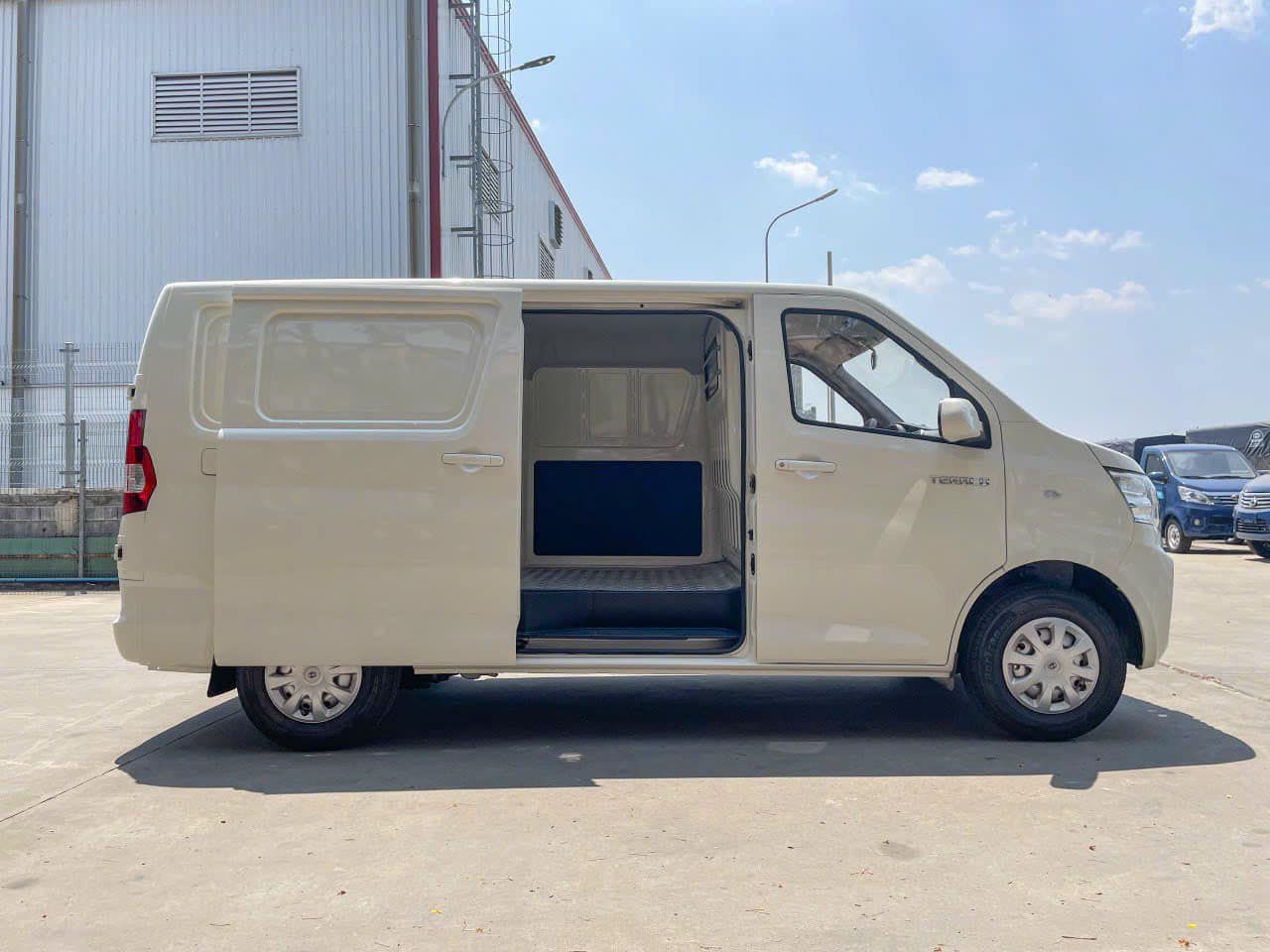
Trade fraud significantly impacts businesses, especially in the transportation sector. Understanding regulations and preventive measures helps companies avoid legal and financial risks.
What is Trade Fraud? Common Practices
Trade fraud involves deceptive practices in business for illegal gain. Common examples include: counterfeit goods; tax evasion; misleading customers about product quality, quantity, or origin; using inaccurate scales; contract fraud; and bribery. These actions harm consumers, legitimate businesses, and the economy.
Counterfeit goods and trade fraud
Impact of Trade Fraud on Transportation Businesses
Transportation companies can be victims of or inadvertently facilitate trade fraud. Transporting counterfeit goods can lead to fines, vehicle seizures, and reputational damage. Tax evasion in transportation is a serious offense, resulting in lost government revenue.
Vietnam’s Trade Fraud Prevention Policies
The Vietnamese government has implemented policies and laws to combat trade fraud. The Commercial Law, Competition Law, and Intellectual Property Law address fraudulent activities and penalties. Understanding and complying with these regulations is every business’s responsibility.
 Trade fraud prevention policies
How Can Transportation Businesses Avoid Trade Fraud?
To avoid trade fraud issues, transportation companies should:
- Thoroughly inspect goods before accepting them for transport.
- Require clients to provide documentation proving product origin and authenticity.
- Comply with cargo transportation regulations, especially for regulated goods.
- Train employees to recognize and prevent trade fraud.
- Cooperate with authorities in combating trade fraud.
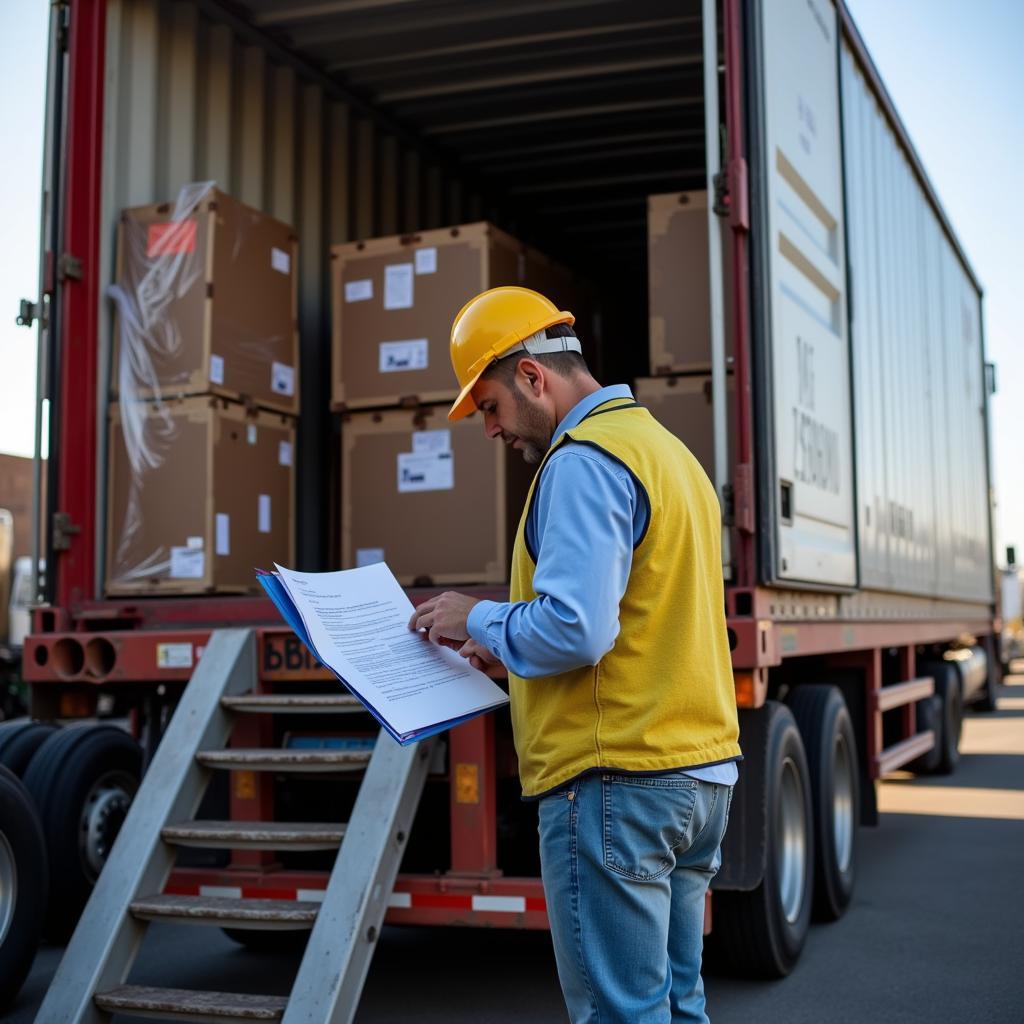 Transportation companies avoiding trade fraud
Conclusion
Trade fraud policies are crucial for all transportation businesses. Understanding regulations and implementing preventive measures protects companies and contributes to a fair business environment.
FAQ
- What is trade fraud?
- What are common trade fraud schemes in transportation?
- What are the consequences of trade fraud for transportation businesses?
- How can transportation businesses prevent trade fraud?
- Which agencies are responsible for handling trade fraud cases?
- Where can I find more information about trade fraud policies?
- What are the penalties for trade fraud?
For assistance, call 0968239999, email [email protected], or visit us at TT36 – CN9 Road, Tu Liem Industrial Zone, Phuong Canh Ward, Nam Tu Liem District, Hanoi. We have 24/7 customer support.