
Vietnam’s family planning policy plays a crucial role in the country’s socio-economic development. This article provides an overview of the policy, including its history, key components, and impact.
History of Vietnam’s Family Planning Policy
Vietnam was one of the first Asian countries to implement a population policy.
Vietnam's Population Policy – Family Planning
- 1963: Family planning was first introduced into the national program in North Vietnam.
- 1989: The Law on Protection of Mothers and Children marked a new development in this policy.
- 2001-2010: The policy focused on reducing birth rates and improving population quality.
- 2011-2020: The policy shifted towards stabilizing population size and achieving a reasonable population distribution.
Key Components of Vietnam’s Family Planning Policy
Vietnam’s family planning policy includes the following key components:
- Communication and Education: Raising public awareness about the importance of having the right number of children at the right spacing and time.
- Service Provision: Ensuring access to safe, effective, and appropriate family planning services.
- Policy Support: Providing support to couples implementing family planning through health, education, and labor policies.
- Scientific Research: Promoting scientific research on population and reproductive health to inform policy development and improvement.
Impact of Vietnam’s Family Planning Policy
The family planning policy has achieved significant positive results, contributing to:
- Controlling Population Growth: Reducing birth rates and bringing population growth to a reasonable level.
- Improving Population Quality: Creating favorable conditions for investment in education and healthcare, improving the quality of life for the population.
- Promoting Socio-Economic Development: Contributing to labor liberation, increased labor productivity, and economic growth.
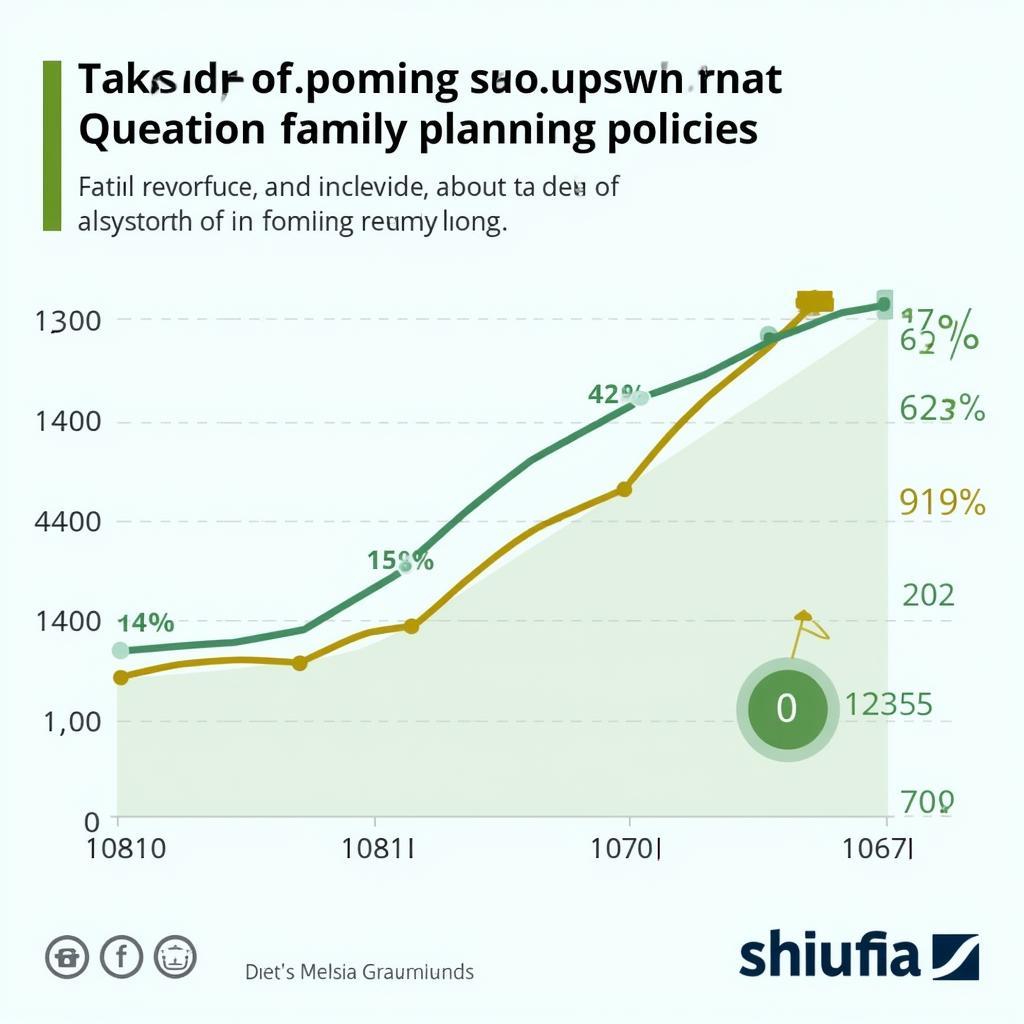 Vietnam Economic Growth Chart
However, despite these achievements, Vietnam’s family planning policy still faces some challenges, such as:
- Gender Inequality: Women still bear the primary burden of family planning.
- Lack of Information: Some people, especially in remote areas, still lack access to adequate information about family planning.
- Service Quality: The quality of family planning services in some areas does not meet the required standards.
Conclusion
Family planning policy is crucial for Vietnam’s socio-economic development. To further enhance its effectiveness, it is necessary to improve its content, enhance service quality, and strengthen communication and education efforts within the community.
Frequently Asked Questions
1. What is the legal marriage age in Vietnam?
2. What is the policy support for couples having a second child?
3. What are the common contraceptive methods used in Vietnam?
4. Where can I find family planning counseling services?
5. What is Vietnam’s policy on surrogacy?
Need Assistance?
Contact us now:
Phone Number: 0968239999
Email: [email protected]
Address: No. TT36 – CN9 Road, Tu Liem Industrial Zone, Phuong Canh Ward, Nam Tu Liem District, Hanoi.
We have a 24/7 customer service team.









