Kerberos policy in Windows Server 2012 is crucial for network security. This article delves into Kerberos, its workings, and how to configure it effectively for enhanced enterprise security.
What is Kerberos?
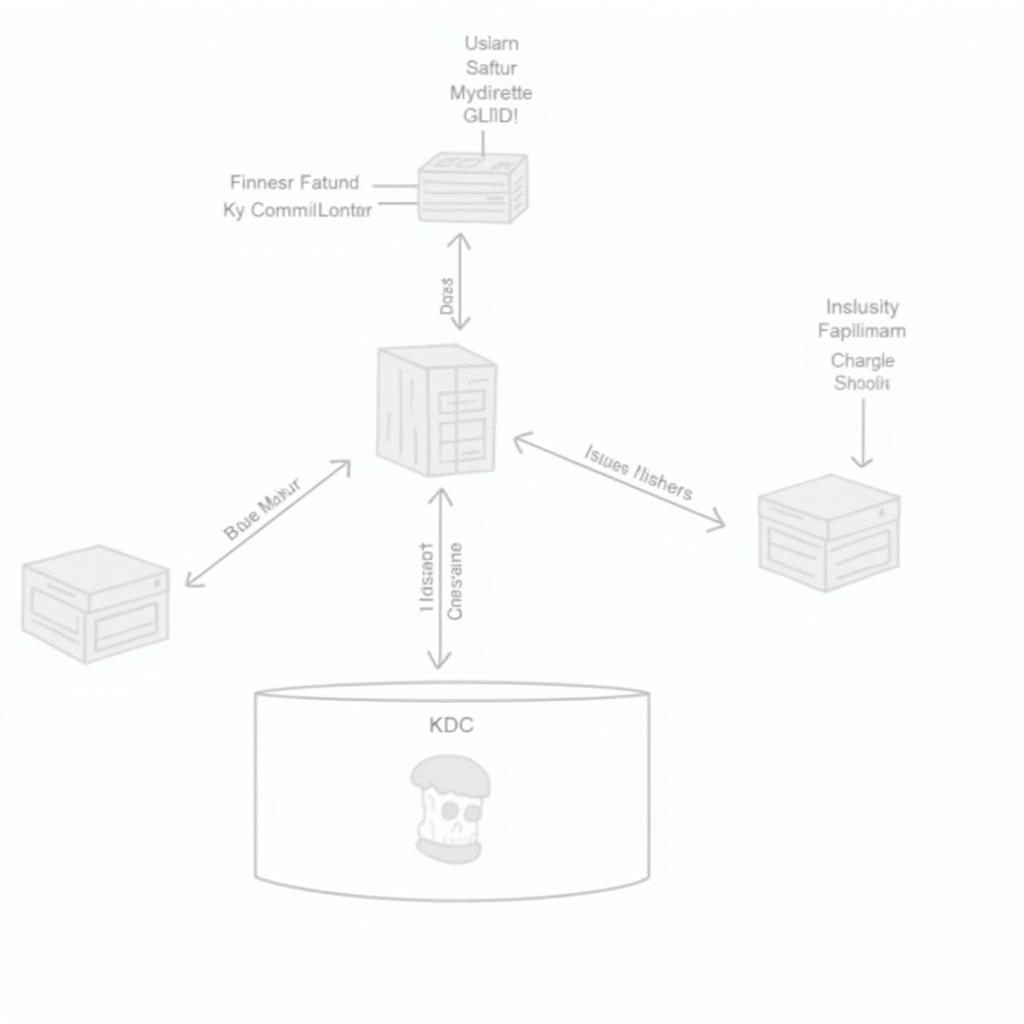
Kerberos is a network authentication protocol that securely verifies user and service identities. It uses encryption to protect credentials and prevent unauthorized access. Kerberos relies on “tickets” issued by a trusted Key Distribution Center (KDC). Windows Server 2012’s Kerberos policy dictates ticket lifespans, password requirements, and other crucial security aspects.
How Kerberos Works in Windows Server 2012
When a user requests access to a service, they send a request to the KDC. The KDC verifies the user’s identity and grants a ticket. The user then presents this ticket to the desired service. The service validates the ticket and grants access if valid. Windows Server 2012 utilizes Active Directory as its KDC, enabling centralized Kerberos policy management.
Kerberos Key Distribution Center in Windows Server 2012
Configuring Kerberos Policy in Windows Server 2012
You can configure Kerberos policy using Group Policy Management. Key settings include:
- Maximum lifetime for user ticket: Defines the maximum validity period for user tickets.
- Maximum lifetime for service ticket: Defines the maximum validity period for service tickets.
- Maximum tolerance for computer clock synchronization: Specifies the maximum allowable time difference between clients and servers.
Proper Kerberos policy configuration balances security with user experience. Short ticket lifespans enhance security but can inconvenience users, while long lifespans increase vulnerability.
Benefits of Using Kerberos
Kerberos offers significant security advantages:
- Strong Authentication: Kerberos employs encryption to protect credentials.
- Replay Attack Prevention: Kerberos tickets have limited validity, preventing attackers from reusing stolen tickets.
- Centralized Management: Kerberos policy is centrally managed through Active Directory.
Optimizing Kerberos Policy for Windows Server 2012
To optimize Kerberos policy:
- Assess your system’s security risks.
- Set appropriate ticket lifetimes.
- Ensure accurate time synchronization between clients and servers.
- Monitor Kerberos logs for unusual activity.
Conclusion
Kerberos policy in Windows Server 2012 is vital for network security. Understanding and properly configuring this policy strengthens security and protects your organization’s data.
FAQ
- What is Kerberos? Kerberos is a network authentication protocol using encryption to protect login information.
- What is a KDC? A KDC is the Key Distribution Center, the server that issues Kerberos tickets.
- How do I configure Kerberos policy? You configure Kerberos policy using Group Policy Management.
- Why is time synchronization important for Kerberos? Time synchronization ensures Kerberos tickets are valid.
- What are the benefits of using Kerberos? Kerberos provides strong authentication, prevents replay attacks, and offers centralized management.
- How can I optimize Kerberos policy? Assess risks, set appropriate ticket lifetimes, and monitor logs.
- Where can I find more detailed information about Kerberos? Microsoft TechNet provides comprehensive Kerberos documentation.
For assistance, contact us at Phone: 0968239999, Email: [email protected] or visit us at: TT36 – CN9 Road, Tu Liem Industrial Zone, Phuong Canh Ward, Nam Tu Liem District, Hanoi. We offer 24/7 customer support.