A fixed asset depreciation policy is crucial for trucking businesses, directly impacting financial performance and competitiveness. Understanding and correctly applying this policy helps companies optimize costs, manage assets effectively, and make sound investment decisions. Let’s delve deeper into this topic. Policy for High-Tech Enterprises.
What is Fixed Asset Depreciation?
Fixed asset depreciation is the process of allocating the cost of a tangible fixed asset (such as trucks, machinery, and equipment) over its useful life. This process reflects the wear and tear, decline in value due to usage, technological obsolescence, or other factors. Depreciating assets allows businesses to accurately account for expenses and reflect the true value of assets on their balance sheets.
Fixed Asset Depreciation Methods in the Trucking Industry
Several depreciation methods exist, and trucking companies must choose the method that best suits their operations and asset types. Some common methods include:
- Straight-Line Method: Evenly distributes the depreciation expense over the asset’s useful life.
- Declining Balance Method: Depreciates faster in the early years and slower in later years.
- Units of Production Method: Depreciates based on the actual output of the asset.
Fixed Asset Depreciation Methods
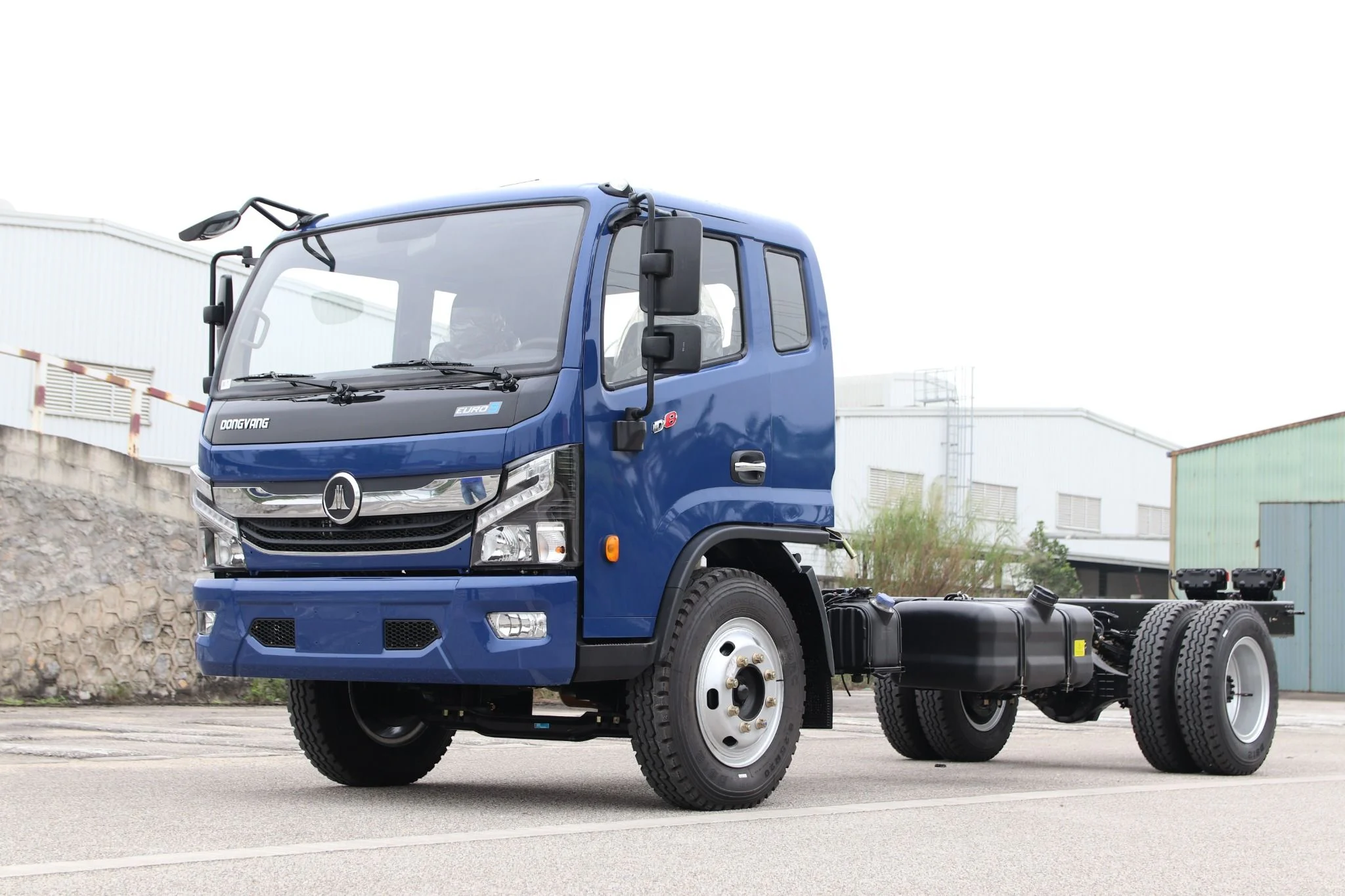
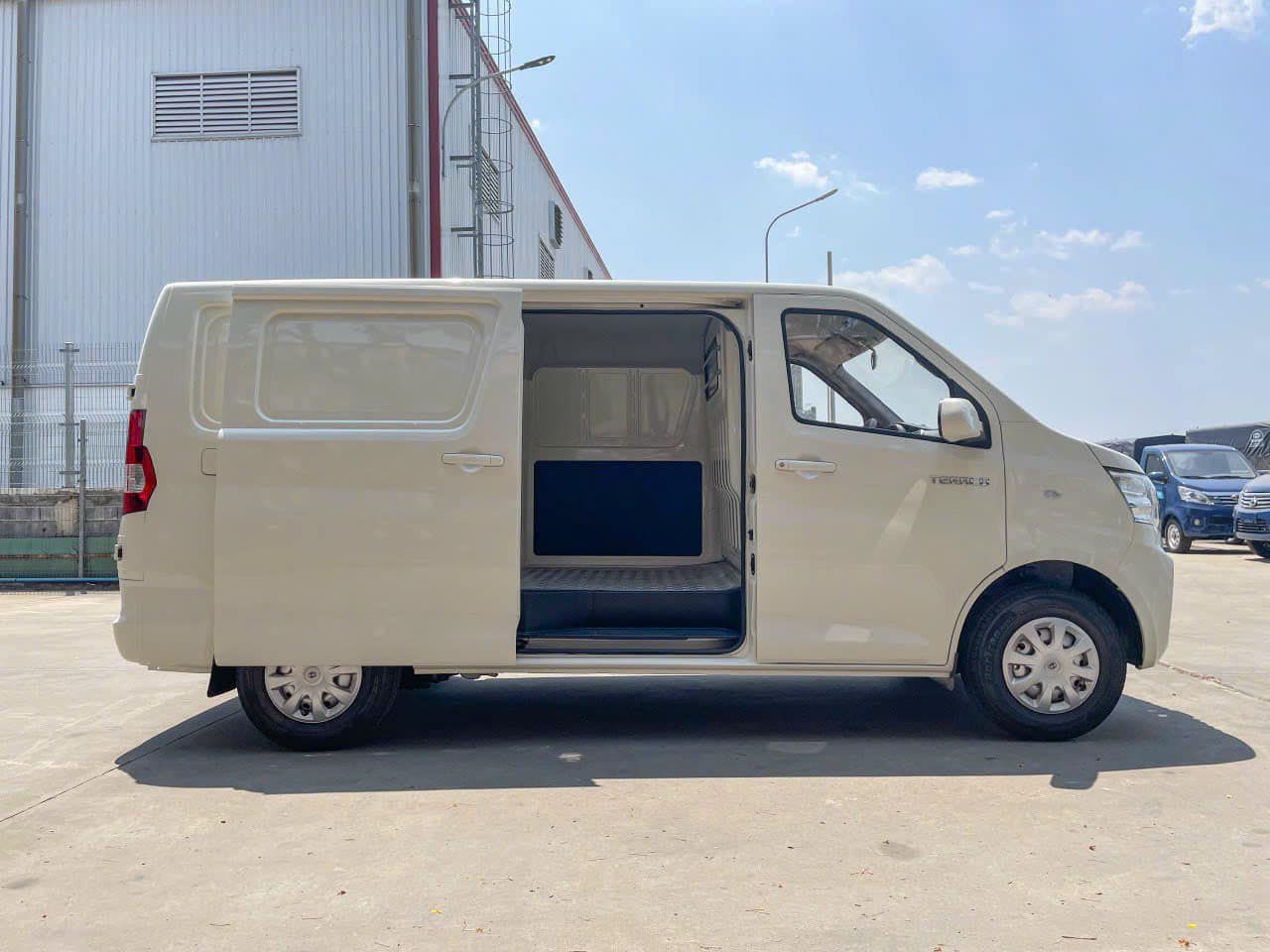
For trucking companies, the choice of depreciation method depends on the type of truck and its intended use. For example, for a heavily used cargo truck, the units of production or declining balance method might be more appropriate. Conversely, for a van used for light deliveries, the straight-line method might be optimal.
Depreciation Policy and Taxes
The fixed asset depreciation policy directly impacts a company’s tax obligations. Depreciation expense is considered a legitimate business expense, reducing taxable income and saving the company money. Circular 20 Changes in Accounting Policy. Businesses must understand the legal regulations regarding depreciation to apply them correctly and avoid tax risks.
Impact of Depreciation Policy on Profit
Depreciation policy affects a company’s profit by allocating the cost of fixed assets over their useful life. Choosing the appropriate depreciation method helps businesses accurately reflect their operational efficiency and make informed investment decisions.
Truck Depreciation Example
A company purchases an 8-ton truck for 1 billion VND with an estimated useful life of 10 years. Using the straight-line method, the annual depreciation expense would be 100 million VND.
Conclusion
Fixed asset depreciation policy is a crucial aspect of financial management for trucking companies. Understanding and correctly applying this policy helps optimize costs, manage assets effectively, and ensure legal compliance. Border Trade Policy.
FAQ
- What is fixed asset depreciation?
- What are the common depreciation methods?
- How does depreciation policy affect taxes?
- How do I choose the right depreciation method?
- How is the useful life of a fixed asset determined?
- Does fixed asset depreciation affect profit?
- Which documents regulate fixed asset depreciation policy?
Common Scenarios and FAQs
Customers often ask about choosing the most appropriate depreciation method for different truck types (1 ton, 2 tons, 3.5 tons, 8 tons) and how to calculate depreciation expenses. They are also interested in the impact of depreciation policy on tax obligations and company profits.
 Common Depreciation Scenarios
Related Articles and Resources
You can learn more about Rice Price Floor Policy and Nam Long Apartment Selection Policy on our website.