Agricultural extension policies in Vietnam play a crucial role in agricultural and rural development, and improving the livelihoods of farmers. This article delves into these policies, examining their objectives, content, challenges, and future development directions.
Objectives of Agricultural Extension Policies
Agricultural extension policies aim to transfer scientific and technological advancements, enhance agricultural productivity and product quality, and promote sustainable agricultural practices. These policies also contribute to increasing farmers’ incomes, improving their living standards, and building new rural areas. Vietnam’s agricultural extension policies share similarities with rice cultivation support policies.
Core Content of Agricultural Extension Policies
Agricultural extension policies encompass a wide range of activities, from training and technical guidance for farmers to supporting the application of high technology in production. Specifically, these policies focus on the following key areas:
- Technology Transfer: Supporting farmers in accessing new scientific and technological advancements in agriculture, including crop varieties, livestock breeds, cultivation techniques, processing, and product preservation.
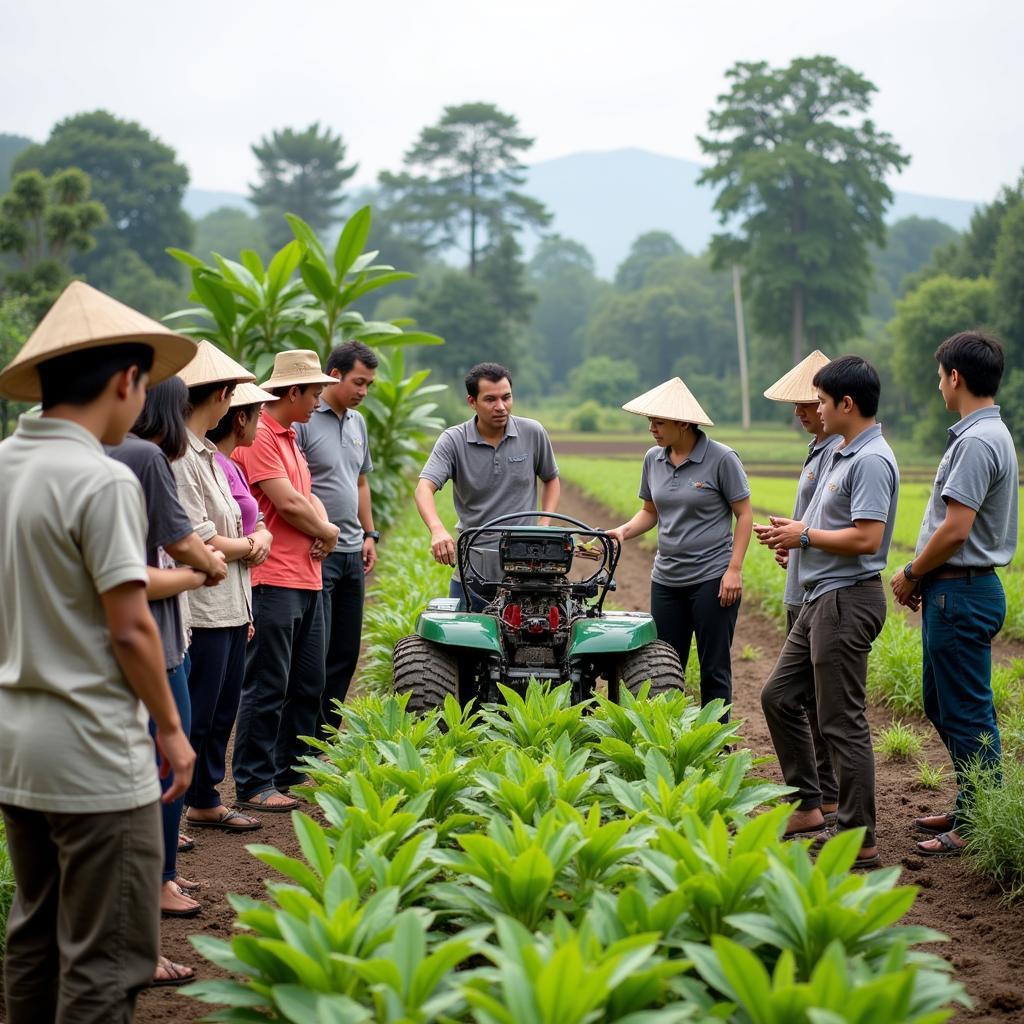
- Training and Capacity Building: Organizing training courses, workshops, seminars, and model farm visits for farmers and agricultural extension workers.
- Financial Support: Providing capital and interest rate subsidies for agricultural extension projects and investing in infrastructure to support agricultural production.
- Information and Communication: Providing market information, policies, and technical guidance to farmers through various communication channels.
- Pilot Model Development: Establishing advanced agricultural production models for farmers to learn from and replicate. Learn more about the Party’s economic policies to understand the link between agricultural extension policies and overall economic policies.
Agricultural extension training for farmers
Challenges and Future Development Directions
Despite significant achievements, agricultural extension policies in Vietnam still face numerous challenges, including:
- Limited Resources: The budget allocated for agricultural extension is limited and does not meet actual needs.
- Quality of Extension Workers: The agricultural extension workforce lacks both quantity and quality, especially in remote and disadvantaged areas.
- Technology Application: The application of high technology in agricultural production remains slow and uneven.
To overcome these challenges, it is necessary to focus on the following solutions:
- Increased Investment: Increasing the budget for agricultural extension, particularly investment in training, capacity building, and technology transfer.
- Improving the Quality of Extension Workers: Providing training and professional development to enhance the expertise of agricultural extension workers.
- Applying Information Technology: Utilizing information technology to provide information, training, and consulting services to farmers more effectively. This is similar to Vinamilk’s fresh milk purchasing price policy in applying technology to manage and connect with farmers.
Nguyen Van A, an agricultural expert, stated: “Agricultural extension policies need to be innovative and aligned with practical realities to enhance their effectiveness and meet the requirements of sustainable agricultural development.”
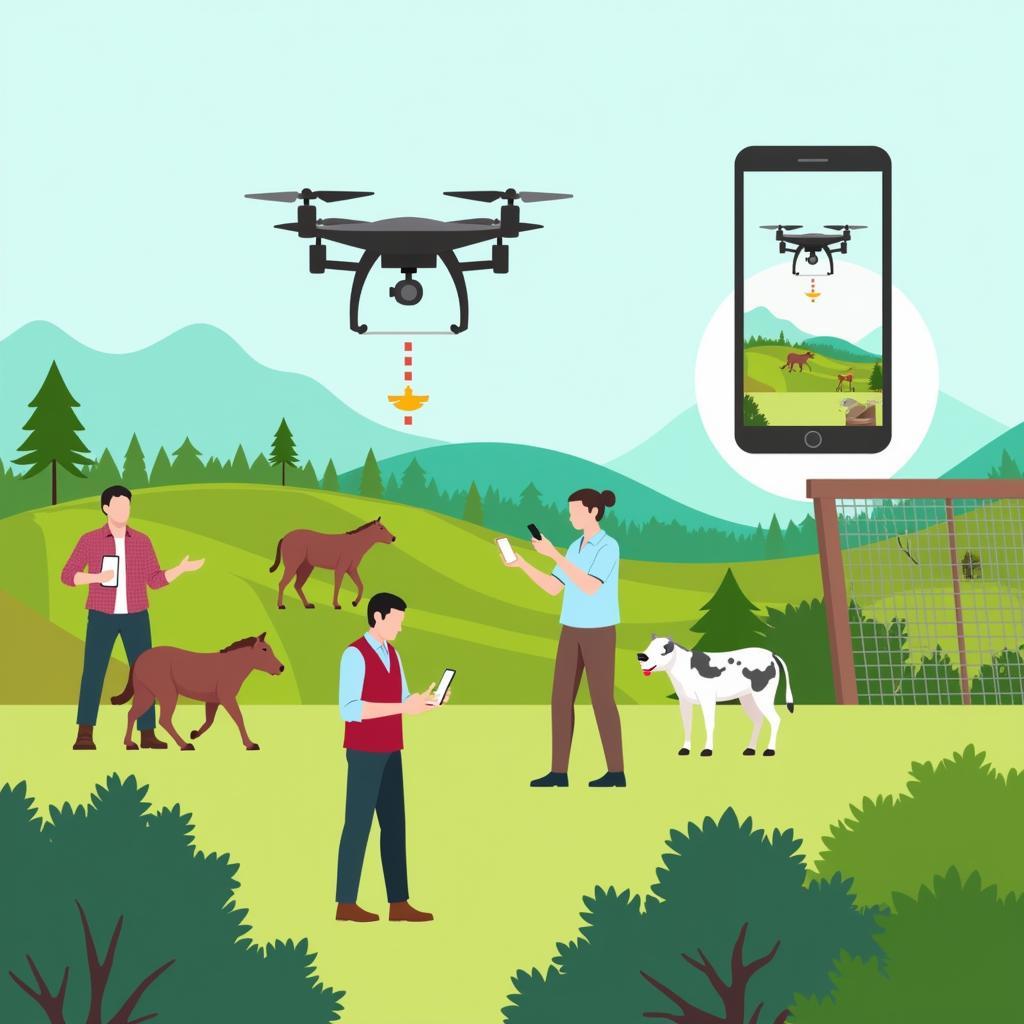 High-tech application in agricultural extension
Conclusion
Agricultural extension policies in Vietnam are crucial for agricultural and rural development. Innovating and improving these policies will significantly contribute to enhancing agricultural productivity and product quality, increasing farmers’ incomes, and building new rural areas. Read more about Thailand’s economic policies for comparison and to learn from the experiences of other countries.
FAQ
- What are agricultural extension policies?
- What are the objectives of agricultural extension policies?
- What are the main components of agricultural extension policies?
- What are the current major challenges of agricultural extension policies?
- What are the future development directions of agricultural extension policies?
- What is the role of technology in agricultural extension policies?
- How can I participate in agricultural extension programs?
Tran Thi B, a farmer in Hai Duong province, shared: “Thanks to agricultural extension policies, I have learned many new farming techniques, which have significantly increased my rice yield.”
You can also refer to other articles about the foreign policy of Emperor Quang Trung foreign policy of emperor quang trung
For assistance, please contact Phone Number: 0968239999, Email: [email protected] Or visit us at: No. TT36 – CN9 Road, Tu Liem Industrial Park, Phuong Canh Ward, Nam Tu Liem District, Hanoi. We have a 24/7 customer support team.









