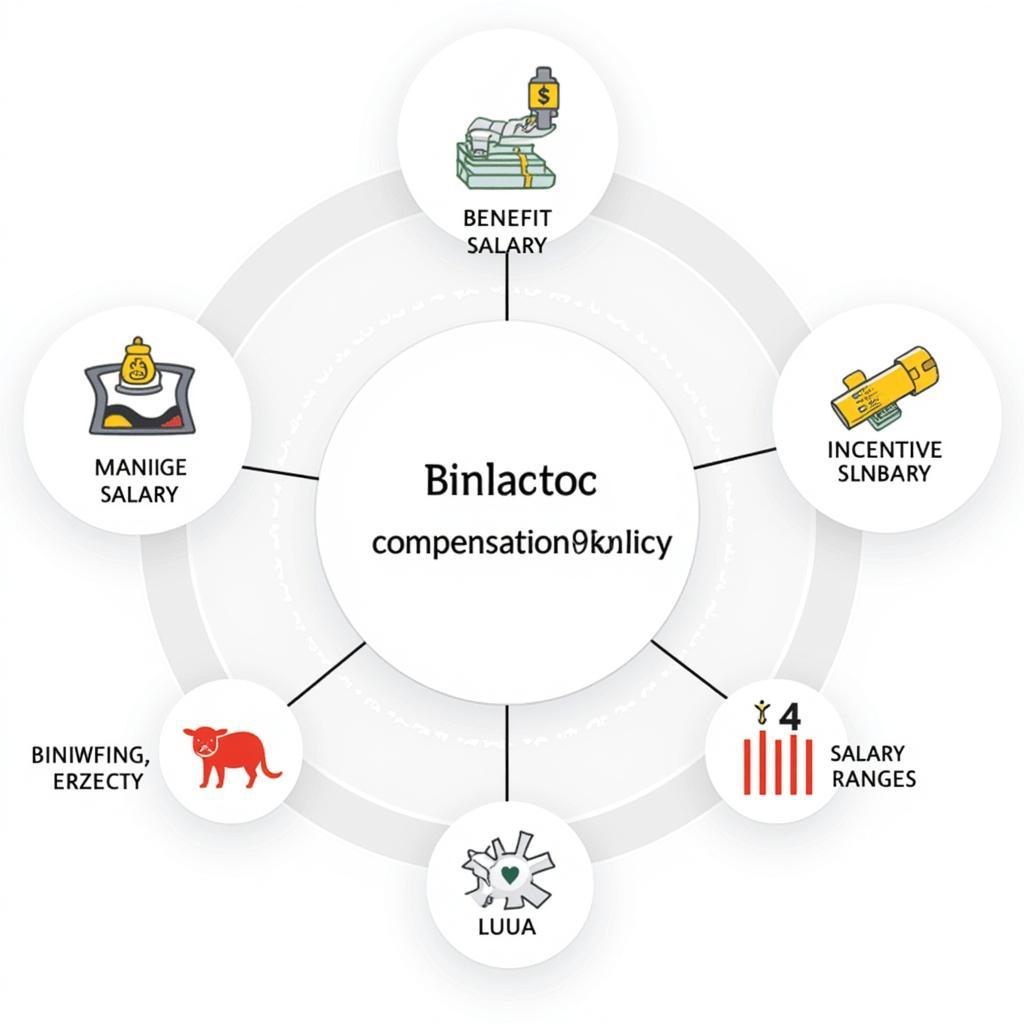
Salary and compensation policies are crucial for attracting, retaining, and motivating employees. Understanding these policies, especially in international contexts or when working with English-speaking companies, is essential. This article explores key aspects of salary and compensation policies.
Understanding Salary and Compensation Policies
A comprehensive salary and compensation policy outlines how an organization determines and administers employee pay. It encompasses base salary, benefits, incentives, and other forms of compensation. These policies should be fair, transparent, and competitive to ensure employee satisfaction and organizational success. Understanding these policies helps employees understand their worth and how their performance is rewarded.
Key Components of a Compensation Policy
A well-structured compensation policy typically includes:
- Base Salary: The fixed amount an employee receives regularly, usually annually or hourly.
- Benefits: Non-salary compensation like health insurance, retirement plans, paid time off, and other perks. Benefits significantly impact an employee’s overall compensation.
- Incentives: Performance-based rewards like bonuses, commissions, and profit sharing, designed to motivate employees.
- Salary Ranges and Grades: A structured system defining different salary levels based on job responsibilities, skills, and experience.
- Pay Increase Policies: Guidelines for how and when salaries are reviewed and adjusted, often linked to performance.
- Overtime Pay: Regulations for compensating employees for work beyond regular hours.
Components of a Salary and Compensation Policy
Importance of Clear Communication
Clear communication of salary and compensation policies is paramount. Employees need to understand how their pay is determined and advancement opportunities. Transparency builds trust and fosters a positive work environment. Clear English communication ensures all employees understand this critical information, especially in multinational companies or those operating in English-speaking countries.
Communicating Effectively in English
Effective communication requires clear, concise language. Avoid confusing jargon. Visual aids like charts and graphs enhance understanding. Regular training and Q&A opportunities clarify any doubts.
Legal and Regulatory Compliance
Salary and compensation policies must comply with applicable laws and regulations, including minimum wage, equal pay, and tax withholding requirements. Staying informed about legal changes and updating policies is crucial to avoid legal issues and maintain a fair compensation system. Navigating different legal landscapes internationally requires expert advice and consideration of local regulations.
Staying Up-to-Date
Regularly reviewing and updating policies ensures compliance with changing legislation and reflects best compensation management practices. Consulting legal and HR professionals helps navigate legal compliance complexities, especially across jurisdictions.
 Compliance with Salary and Compensation Regulations
Conclusion
Salary and compensation policies are fundamental to human resource management. A well-designed and communicated policy significantly contributes to employee satisfaction, motivation, and retention. Understanding key components, ensuring transparency, and maintaining legal compliance are essential for a fair and competitive compensation system. Investing in a robust policy is investing in organizational success, creating a positive work environment that attracts and retains top talent. A clear and comprehensive salary and compensation policy is a cornerstone of a successful organization.
FAQs
- What is the difference between salary and compensation?
- How are salary ranges determined?
- What are the legal requirements for overtime pay?
- How can I negotiate my salary effectively?
- What are some common benefits offered by companies?
- How often are performance reviews conducted?
- What is the purpose of a compensation policy?
Need Help?
Contact us at Phone Number: 0968239999, Email: [email protected] Or visit us at: So TT36 – Duong CN9, KCN Tu Liem, Phuong Phuong Canh, Quan Nam Tu Liem, Ha Noi. We have a 24/7 customer service team.
You might also be interested in company benefits in Japanese companies or learning more about public policy schools. For opportunities abroad, explore new policies in Australia and European immigration policies. Students seeking financial aid can benefit from understanding ISB scholarship policies.









