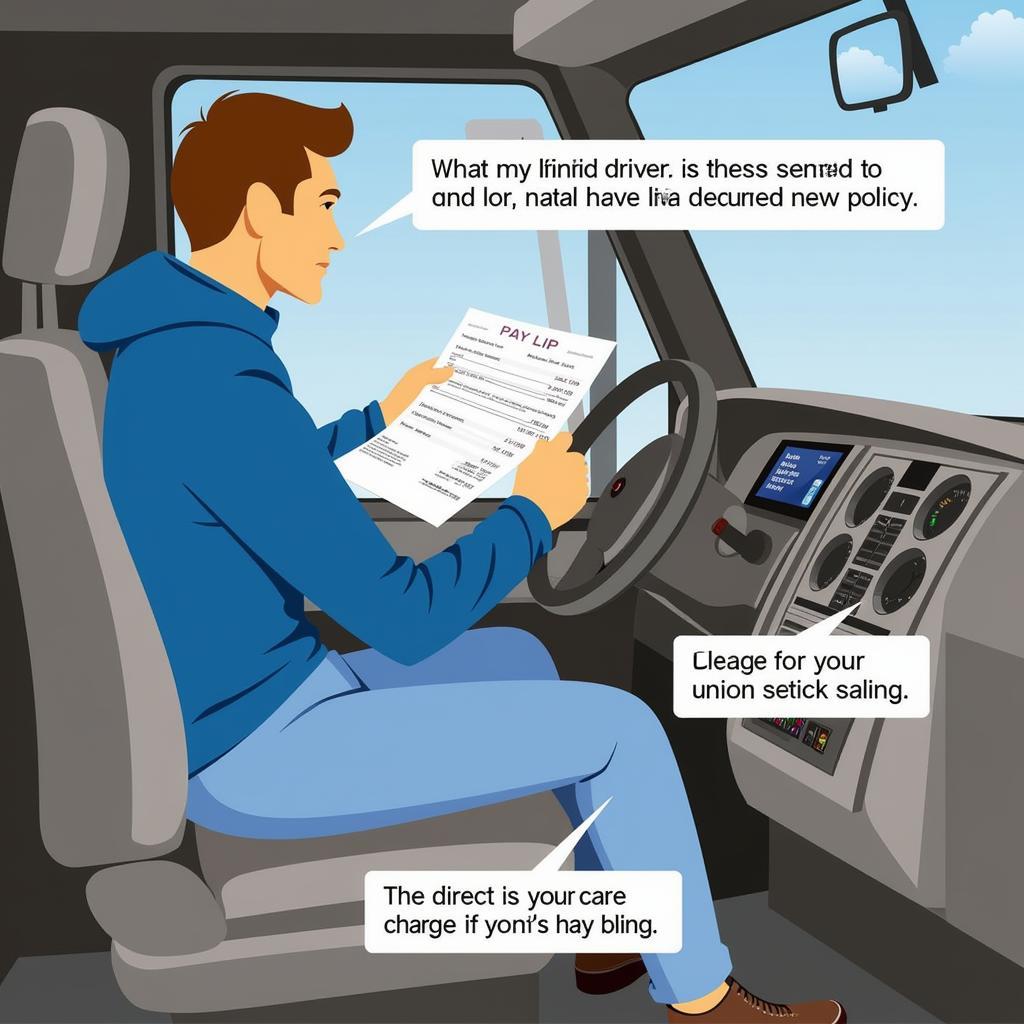
The wage policy implemented on July 1, 2019, significantly impacted various industries in Vietnam, including the trucking sector. Adjustments to the minimum wage directly affected the income of drivers, logistics personnel, and other employees, consequently influencing operational costs and freight rates. This article analyzes the impact of the July 1, 2019, wage policy on the trucking industry, particularly concerning box trucks, light trucks, vans, and trucks with capacities of 1 ton, 2 tons, 3.5 tons, and 8 tons.
Impact on Driver Income
The new wage policy directly impacted truck driver income. With the increase in the minimum wage, trucking companies had to adjust driver salaries, affecting operational costs. This was particularly significant for companies with a large workforce, such as those specializing in freight transport using box trucks. Understanding cultural policy analysis can also help trucking companies build a better working environment, attract, and retain talent.
Truck driver affected by wage policy changes
Impact on Freight Rates
Increased salaries for drivers and logistics personnel resulting from the July 1, 2019, wage policy contributed to higher operating costs for trucking companies. Companies might have had to adjust freight rates to offset these increased expenses. The extent of the price increase depended on the type of truck, the transportation distance, and the type of goods. Light trucks and vans are typically used for inner-city transportation, while 1-ton, 2-ton, 3.5-ton, and 8-ton trucks serve longer routes. This also impacts the discussion on the Tran Dynasty and its policies for the people in the modern economic context, where ensuring social security for workers, including truck drivers, is crucial.
Factors Influencing Freight Rates
- Truck Type: Larger trucks generally have higher operating costs.
- Distance: Longer distances increase fuel and labor costs.
- Goods Type: Special or fragile goods require higher storage and transportation costs.
Solutions for Trucking Companies
To adapt to the July 1, 2019, wage policy, trucking companies needed to find solutions to optimize operating costs. Some solutions include:
- Improved Management Efficiency: Utilizing transportation management software, optimizing routes, and minimizing waiting times.
- Driver Training: Training drivers in safe driving practices, fuel efficiency, and proper cargo handling.
- Technology Investment: Employing modern technology for fleet monitoring and management, reducing risks, and increasing operational efficiency. This relates to knowledge found in Nguyen Thi Canh’s financial management book which can help trucking companies manage their finances more effectively.
Mr. Nguyen Van A, Director of XYZ Transportation Company, stated: “The new wage policy requires us to change our operational methods. We are focusing on improving management efficiency and driver training to mitigate the impact of rising costs.”
Conclusion
The wage policy implemented on July 1, 2019, significantly impacted the trucking industry. The increase in the minimum wage affected driver income and operating costs, leading to adjustments in freight rates. Trucking companies need to proactively seek solutions to adapt to these changes and maintain efficient business operations. Understanding social policy exam questions can also help trucking companies grasp relevant policies and formulate appropriate business strategies.
Ms. Tran Thi B, Economist, commented: “The transportation industry needs to adapt to the new wage policy by improving labor productivity and adopting modern technology.”
For assistance, please contact us by phone at 0968239999, email at [email protected], or visit us at TT36 – CN9 Road, Tu Liem Industrial Zone, Phuong Canh Ward, Nam Tu Liem District, Hanoi. We have a 24/7 customer service team.









