Vietnam’s foreign policy from 1945 to 1990 underwent significant shifts, reflecting a complex and challenging historical context. From the struggle for independence to the Cold War and international integration, Vietnam’s foreign policy consistently aimed to protect national independence, sovereignty, and reunification, while building socialism.
1945-1954: The Struggle for Independence
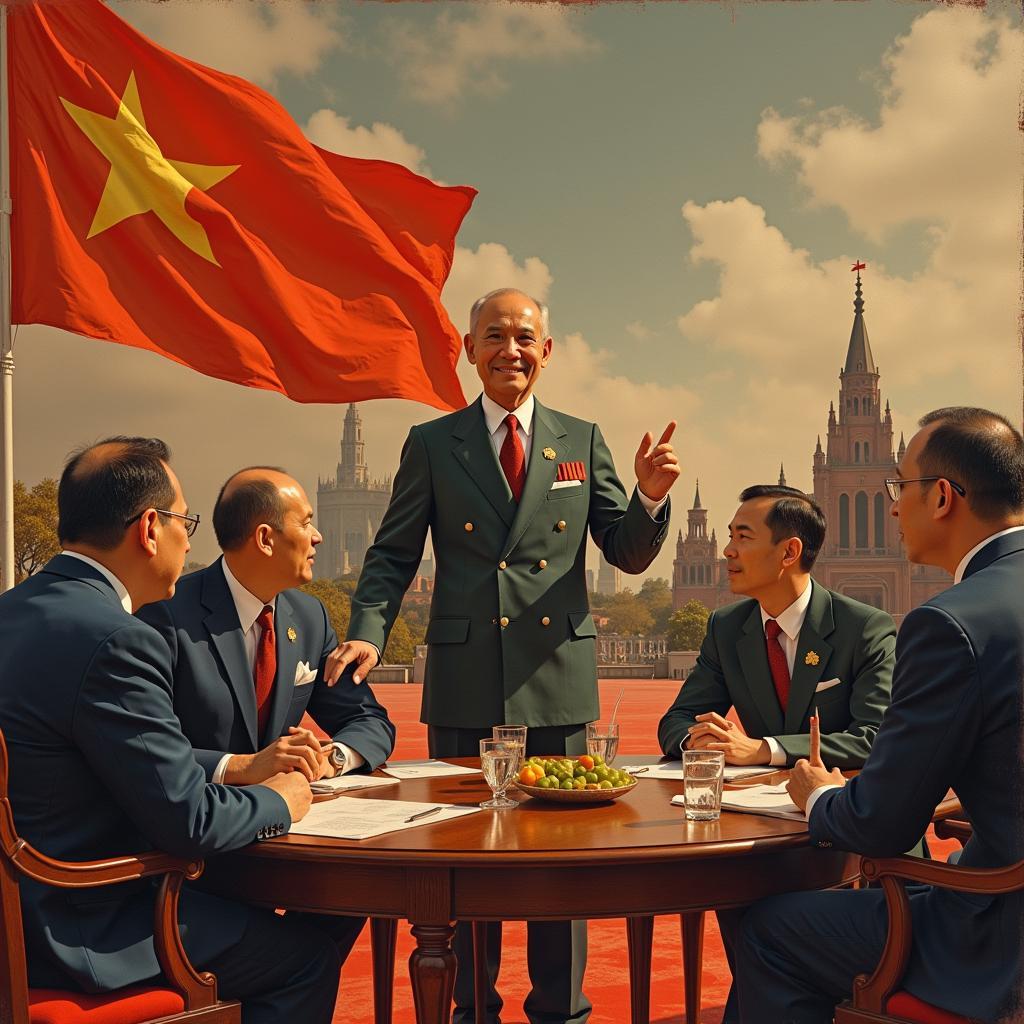
During this period, Vietnam’s foreign policy focused on garnering international support for the resistance against French colonialism. The establishment of the Democratic Republic of Vietnam in 1945 marked a crucial turning point, asserting the nation’s right to self-determination. The nascent government strived to establish diplomatic relations with socialist countries and nations supporting national liberation movements.
Vietnam's foreign policy during the struggle for independence (1945-1954)
1954-1975: The American War and National Division
Following the Geneva Accords, Vietnam was divided into two. Foreign policy aimed at achieving national reunification and securing support from socialist countries and the global peace movement. North Vietnam embarked on building socialism, while South Vietnam continued its struggle against the United States.
The support of the Soviet Union, China, and other socialist countries played a crucial role in the Vietnamese people’s resistance war against the US.
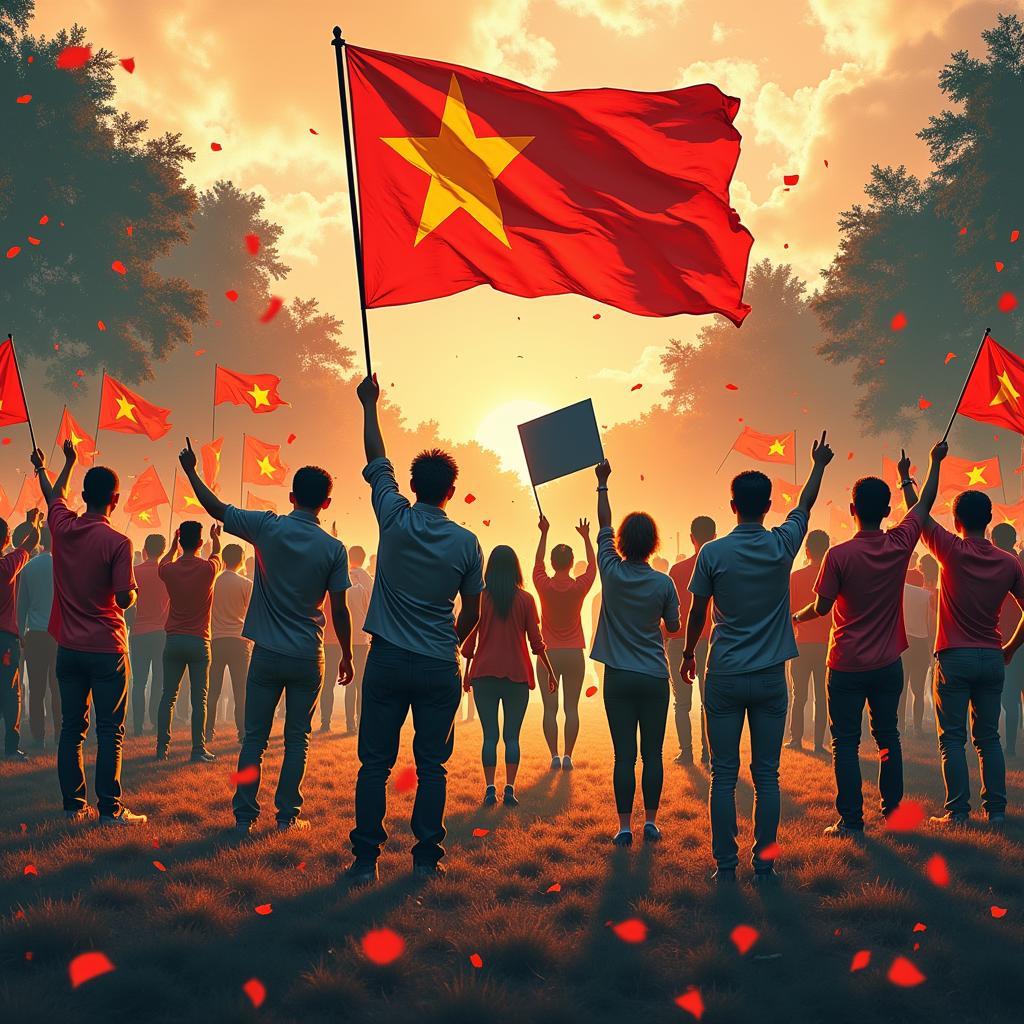 Vietnam's foreign policy during the American War (1954-1975)
1975-1990: Reunification and International Integration
After 1975, Vietnam entered a period of reunification and faced numerous economic and political challenges. Foreign policy focused on economic recovery and development, and establishing peaceful and friendly relations with countries worldwide. Vietnam joined the United Nations in 1977, affirming its position on the international stage.
However, this period also witnessed tensions in relations with China and isolation from some Western countries. Vietnam faced economic embargoes, hindering its development process.
Conclusion
Vietnam’s foreign policy from 1945 to 1990 was a long and tumultuous journey. From the struggle for independence to the era of international integration, foreign policy consistently reflected the historical context and served national interests. Vietnam successfully asserted its position and role in the international arena.
FAQ
- What was Vietnam’s foreign policy during the period 1945-1954? Focused on gaining international support for the resistance against French colonialism.
- When did Vietnam join the United Nations? In 1977.
- What was the biggest challenge for Vietnamese diplomacy after 1975? Economic recovery and international integration amidst isolation.
- What was the role of the Soviet Union and China in Vietnam’s resistance against the US? Providing crucial economic and military aid.
- What has always been the main goal of Vietnam’s foreign policy? Protecting national independence, sovereignty, and reunification.
- What was the significance of the 1954 Geneva Accords for Vietnam? Led to the division of the country into two.
- What did Vietnam do to integrate internationally after 1975? Joined the United Nations and established relations with many countries.
For support, please contact us by phone: 0968239999, Email: [email protected] Or visit us at: No. TT36 – CN9 Road, Tu Liem Industrial Park, Phuong Canh Ward, Nam Tu Liem District, Hanoi. We have a 24/7 customer service team.