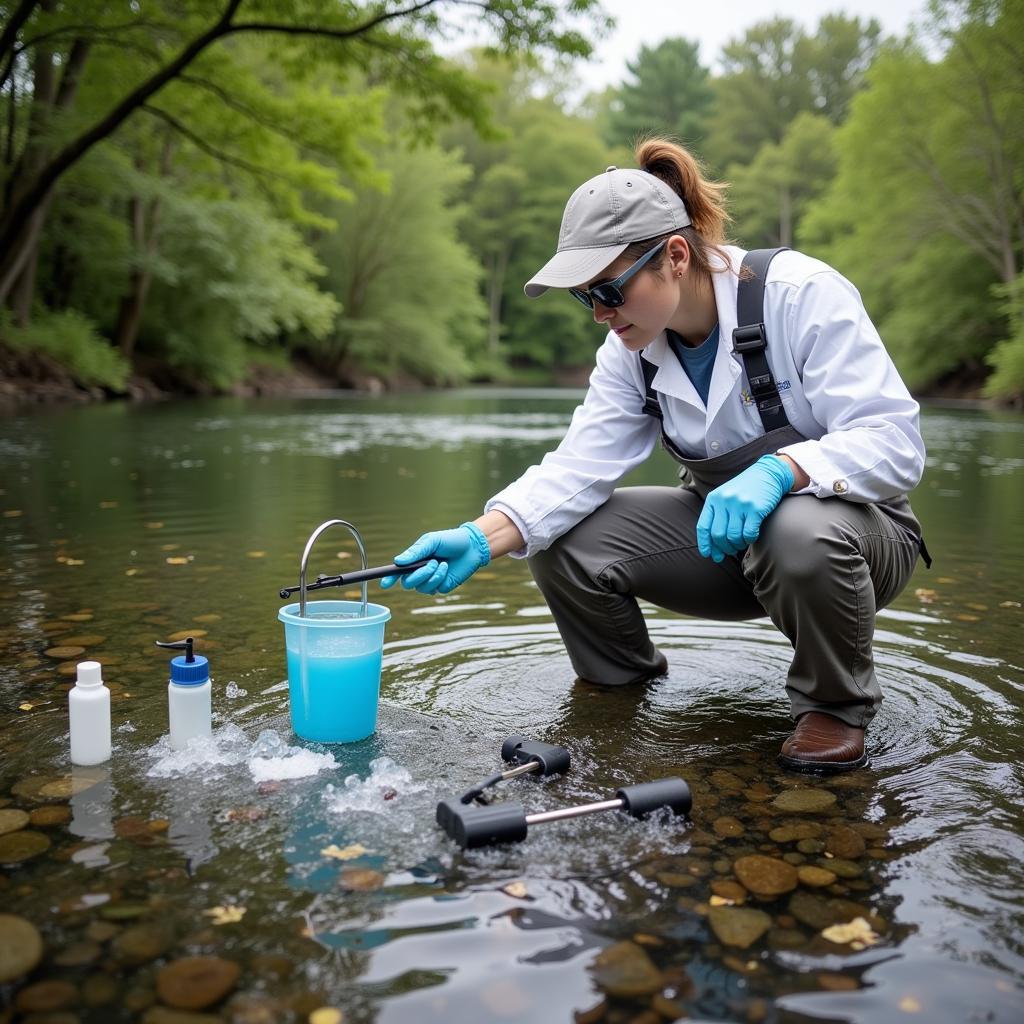
Water pollution control policies play a crucial role in protecting water resources, public health, and sustainable development. Controlling water pollution is a significant challenge requiring close collaboration between the government, businesses, and citizens.
The Importance of Water Pollution Control Policies
Water pollution poses severe consequences for the environment and human health. Contaminated water can lead to infectious diseases, cancer, and other health problems. Water pollution control policies aim to prevent and minimize pollution, safeguarding clean water resources for the present and future. These policies also contribute to protecting biodiversity and maintaining ecological balance. An effective policy requires a combination of legal, economic, and technical measures.
Key Components of Water Pollution Control Policies
Water pollution control policies typically include the following key components:
- Water quality standards: Establishing limits for pollutants in water.
- Discharge permits: Regulating the discharge of wastewater into water sources.
- Source control: Minimizing pollution from sources such as industrial, agricultural, and domestic activities.
- Wastewater treatment: Constructing and operating wastewater treatment systems.
- Monitoring and enforcement: Monitoring water quality and enforcing pollution regulations.
Challenges in Implementing Water Pollution Control Policies
Implementing water pollution control policies faces numerous challenges, including:
- Lack of resources: Significant investment is needed for wastewater treatment infrastructure and water quality monitoring.
- Public awareness: Raising public awareness about the importance of water resource protection.
- Coordination among stakeholders: Close collaboration is required between the government, businesses, and the community. Directive 40 on Social Policy Bank
The Role of Technology in Water Pollution Control
Technology plays a vital role in controlling water pollution. Advanced technologies enable more efficient wastewater treatment and minimize pollution from the source. Examples include membrane filtration technology and biological wastewater treatment. QNTNLĐ Policy Water quality monitoring technologies also help track and evaluate policy effectiveness.
Water quality monitoring
Conclusion
Water pollution control policies are crucial for protecting water resources and public health. Effective implementation of these policies requires the collective effort of all stakeholders. What Does Foreign Policy Include? Investing in technology and raising public awareness are essential factors in achieving the goal of protecting clean water for the future. Party Policy on Ethnicity and Religion Directive 20 on Political Books
FAQ
- What is water pollution?
- What are the causes of water pollution?
- What are the consequences of water pollution?
- What is the government’s role in controlling water pollution?
- What can individuals do to contribute to water protection?
- What modern wastewater treatment technologies are being used?
- How can you tell if a water source is polluted?
Common Scenario Questions:
- Scenario 1: The river near the industrial zone is black and smells foul. Question: How to report this pollution?
- Scenario 2: The domestic well is contaminated with salt. Question: Are there any solutions for treating saline water?
Suggested Related Articles and Questions:
- Read more about Directive 40 on Social Policy Bank.
- Learn more about foreign policy.
- Are you interested in the Party’s policy on ethnicity and religion?









