Public administration law and policy plays a crucial role in building a transparent, efficient, and citizen-centric government. Understanding these regulations not only helps citizens protect their rights but also contributes to improving the quality of public services. This article will delve into the key aspects of public administration law and policy in Vietnam.
The Importance of Public Administration Law and Policy
Public administration law and policy forms the foundation for all activities of state administrative agencies. It defines the powers and responsibilities of agencies, organizations, and officials in carrying out their duties to serve the people. Strict adherence to these regulations helps prevent corruption, waste, and enhances the efficiency of the administrative apparatus. A transparent and effective public administration system is crucial for attracting investment, promoting socio-economic development, and improving people’s lives.
Fundamental Principles of Public Administration Law and Policy
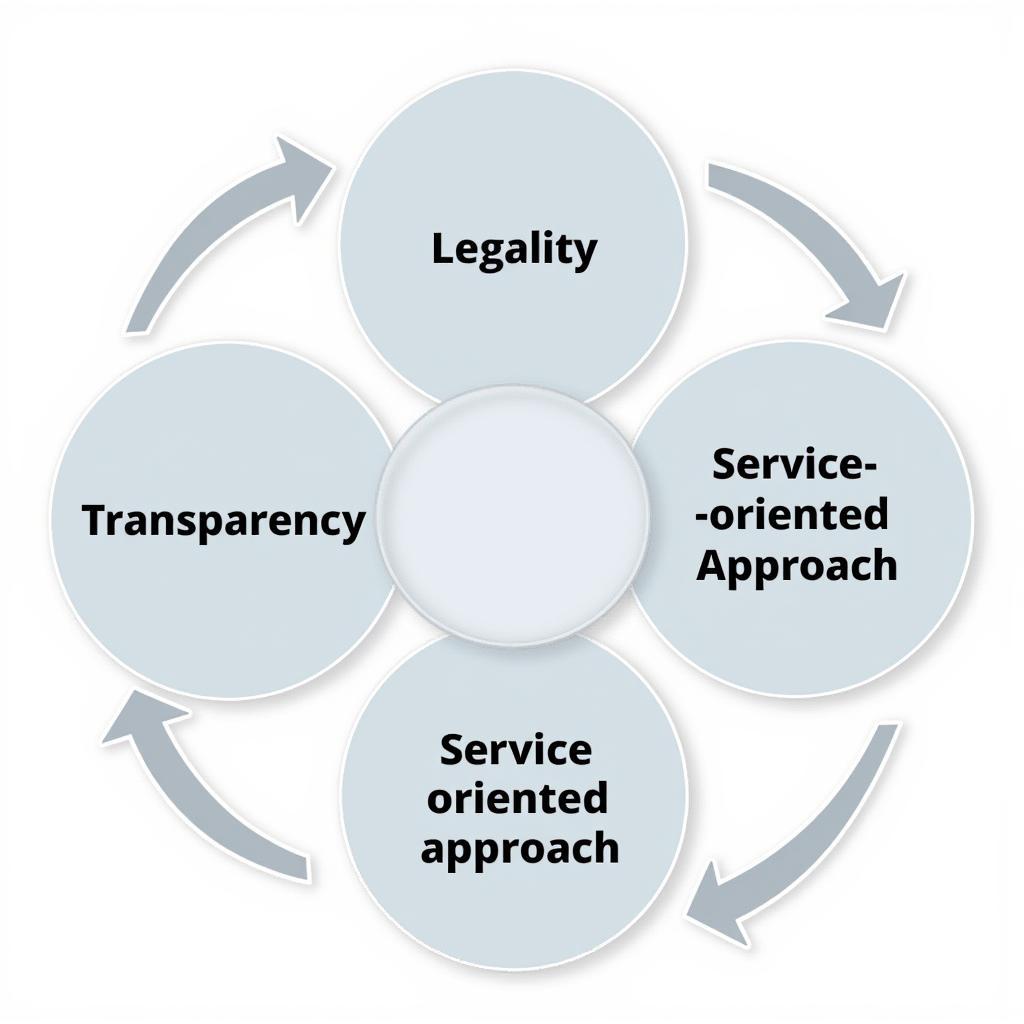
Public administration law and policy is built upon several fundamental principles, including: legality, publicity, transparency, accountability, efficiency, service orientation, and democracy. These principles ensure that all administrative activities comply with the law, are carried out publicly and transparently, and are accountable to the people. Applying these principles helps build trust and satisfaction among citizens towards state administrative agencies. Fundamental principles of public administration law
Key Contents of Public Administration Law and Policy
Public administration law and policy encompasses various important contents, such as: regulations on the organization of the administrative apparatus, administrative procedure regulations, regulations on the responsibilities of officials, mechanisms for monitoring and inspecting administrative activities, as well as regulations on administrative complaints and denunciations. Understanding these contents helps citizens understand their rights and obligations when participating in administrative activities. See more Partnership Policy.
Administrative Procedures
One crucial aspect of public administration law and policy is the regulation of administrative procedures. Administrative procedures are the sequence of steps that citizens and businesses must follow when interacting with state administrative agencies. Simplifying administrative procedures is a key government objective to minimize time, costs, and inconvenience for citizens and businesses. You might be interested in Religious Policy of the Philippines.
Accountability
Public administration law and policy also clearly defines the accountability of administrative agencies and officials. Accountability is the obligation of administrative agencies and officials to explain and take responsibility for their decisions and actions before the people and supervisory bodies. This ensures transparency and responsibility in administrative activities. Learn more about Public Policy Lecture.
Conclusion
Public administration law and policy is a critical area that directly impacts people’s lives. Understanding these regulations helps citizens protect their rights and contribute to building a transparent, efficient, and citizen-serving public administration. See more Personal Income Tax Exemption for Policy Beneficiaries and Diplomacy Policy.
FAQ
- What is public administration policy?
- What is the role of public administration policy?
- What are the fundamental principles of public administration policy?
- What are the key contents of public administration policy?
- How can I learn more about public administration policy?
- How does public administration policy affect citizens?
- Who is responsible for developing and implementing public administration policy?
For assistance, please contact us by phone: 0968239999, Email: [email protected] or visit us at: TT36 – CN9 Road, Tu Liem Industrial Zone, Phuong Canh Ward, Nam Tu Liem District, Hanoi. We have a 24/7 customer service team.









