The development policy for small and medium-sized enterprises (SMEs) in the Central Highlands plays a crucial role in improving the economic lives of people in mountainous areas, preserving traditional culture, and promoting sustainable development. This article will delve into this policy, its impact on the local economy, and the challenges that need to be overcome.
The Role of Handicraft Development Policy
Handicrafts in the Central Highlands are not merely production activities; they are deeply intertwined with the cultural identity of ethnic communities. The Central Highlands handicraft development policy aims to support traditional craft villages, create opportunities for people to access markets, increase income, and improve their quality of life. Developing this sector also contributes to diversifying the economy, reducing reliance on agriculture and natural resource exploitation.
Impact on the Local Economy
The Central Highlands handicraft development policy brings numerous benefits to the local economy. Firstly, it creates jobs and stable incomes for people, especially women and ethnic minorities. Secondly, the development of distinctive handicraft products contributes to attracting tourists, generating new revenue streams for the community. Finally, this policy also promotes the development of supporting industries such as transportation, packaging, and services.
Challenges in Central Highlands Handicraft Development
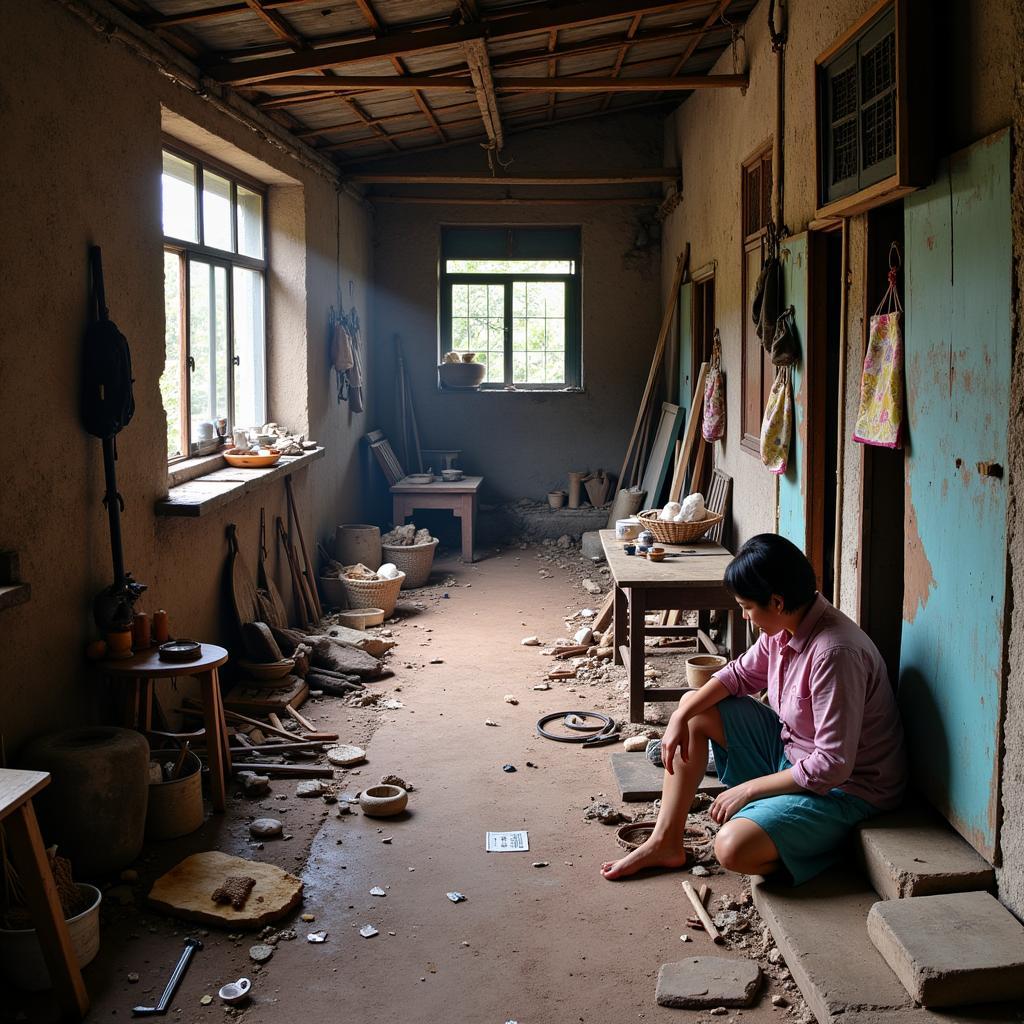
Despite its potential, the development of handicrafts in the Central Highlands still faces many challenges. One of the biggest difficulties is the lack of investment capital and infrastructure. Many craft villages still produce using manual methods, lacking modern machinery, leading to low productivity and inconsistent product quality.
Challenges in handicraft development in the Central Highlands
Difficulties in Market Access
In addition, market access is also a complex issue. Many craft villages lack effective distribution channels, and their products struggle to compete with imported goods. Lack of market information, marketing skills, and e-commerce knowledge also limits the development of handicrafts in the Central Highlands.
“Supporting people to access markets, build brands, and improve product quality is key to the sustainable development of handicrafts in the Central Highlands,” shared Mr. Nguyen Van A, an economic expert.
Solutions for Sustainable Development
To sustainably develop handicrafts in the Central Highlands, close coordination between the government, businesses, and communities is needed. It is necessary to increase investment in infrastructure, support vocational training, technology transfer, and brand building for handicraft products.
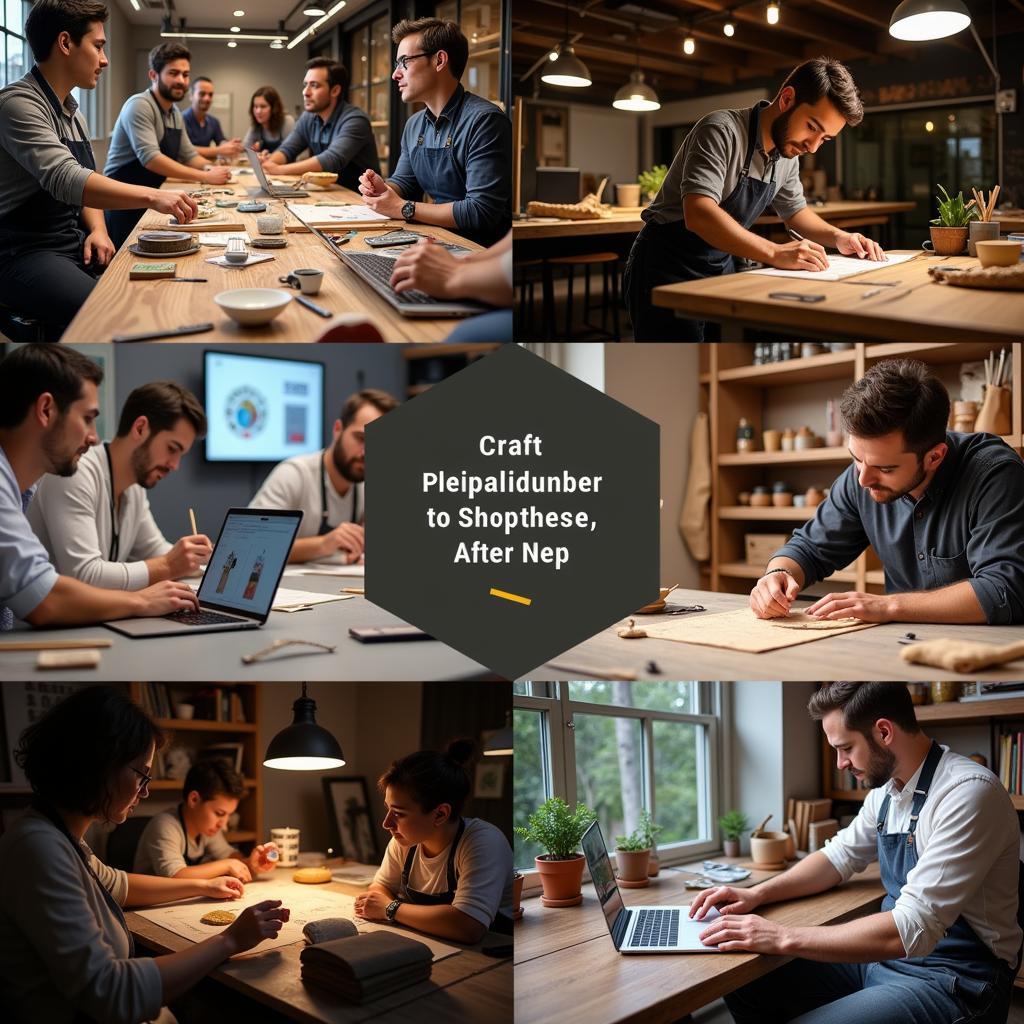 Solutions for sustainable handicraft development in the Central Highlands
Cooperatives and Supporting Roles
“Cooperatives play an important role in linking production households, improving competitiveness, and expanding markets,” commented Ms. Tran Thi B, chairwoman of a textile cooperative.
In conclusion, the Central Highlands handicraft development policy is of significant importance for the socio-economic development of the highlands. By addressing current challenges and focusing on sustainable solutions, we can maximize the potential of this sector, contributing to building a prosperous Central Highlands.
FAQ
- What is the Central Highlands handicraft development policy?
- What is the role of this policy in the local economy?
- What are the main challenges in developing handicrafts in the Central Highlands?
- What are the solutions for the sustainable development of this sector?
- What role do cooperatives play in supporting handicrafts?
- How to access support policies for handicrafts?
- Where does investment capital for handicrafts in the Central Highlands come from?
Description of common question scenarios.
Customers often ask about the procedures and conditions to benefit from support policies, as well as the difficulties in accessing capital and markets.
Suggested other questions, other articles on the website.
See more articles about: “Trucks suitable for transporting handicrafts”, “Affordable light trucks”, “Consulting on choosing trucks for SMEs”.









