China’s aircraft management policy is a complex and evolving topic, especially given the rapid growth of the country’s aviation industry. This article delves into the policy, covering regulations, laws, and their impact.
Overview of China’s Aircraft Management Policy
The Chinese government has heavily invested in the aviation sector, leading to a significant increase in aircraft numbers and air traffic. This necessitates a robust and efficient management system to ensure safety and sustainable development. China’s aircraft management policy encompasses various aspects, from licensing and registration to safety inspections, airspace management, and flight operations.
Key Regulations and Laws
The Chinese government has enacted numerous laws and regulations to govern aircraft, including the Civil Aviation Law and related provisions. These regulations cover safety standards, licensing procedures, and aircraft maintenance requirements. Strict adherence to these regulations is crucial for ensuring aviation safety.
Aircraft Safety Management
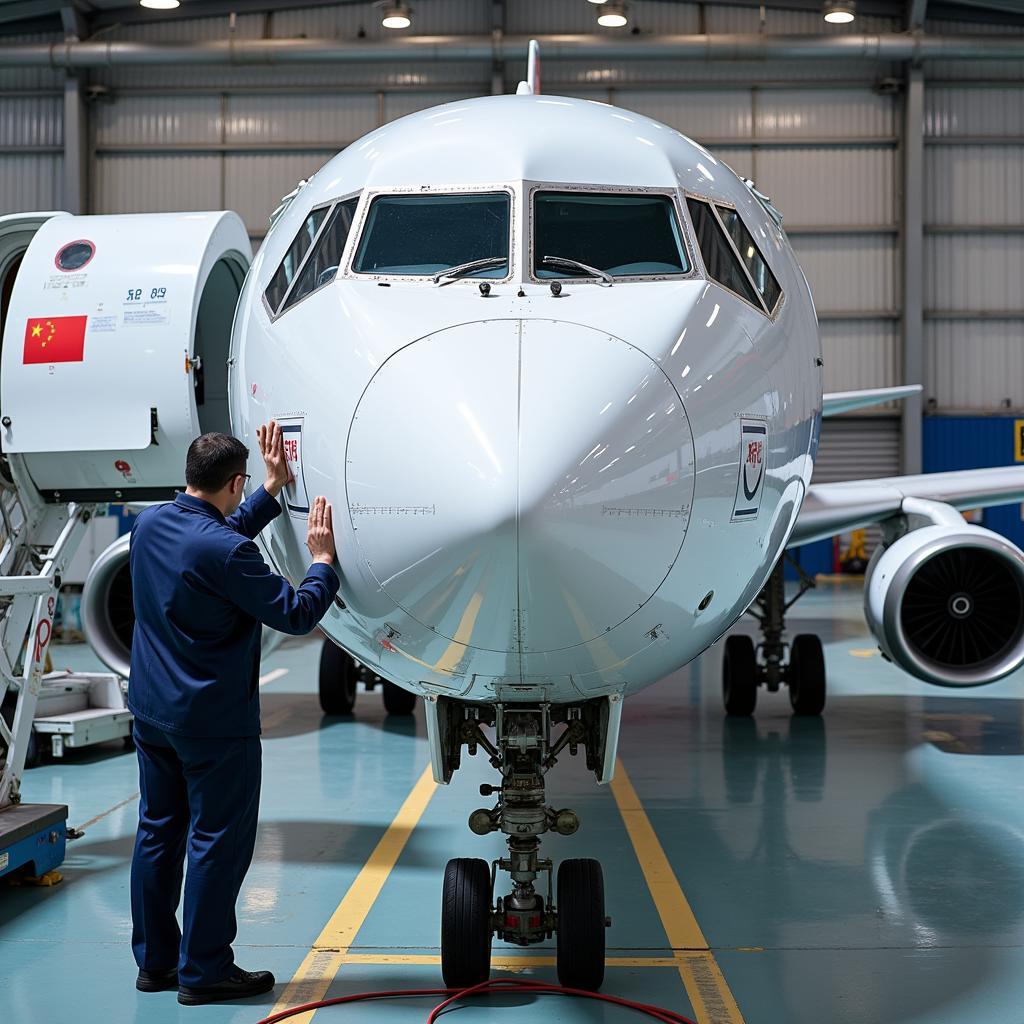
Aviation safety is paramount in China’s aircraft management policy. Aviation authorities conduct regular inspections to ensure all aircraft meet international safety standards.
Chinese aircraft undergoing safety inspection
Airspace and Flight Operations Management
Managing airspace and flight operations is another integral part of China’s aircraft management policy. Air traffic control authorities are responsible for coordinating flights, ensuring the safety and efficiency of air traffic.
Impact of the Policy
China’s aircraft management policy significantly impacts the country’s aviation industry’s development. Stringent regulations enhance aviation safety while creating a stable business environment for airlines.
Impact on the Aviation Industry
The aircraft management policy directly affects the operations of Chinese airlines. Adhering to safety and operational regulations enhances the reputation and competitiveness of these airlines.
Impact on the Economy
The aviation industry contributes significantly to China’s economic growth. An effective aircraft management policy fosters economic growth by creating jobs, attracting investment, and promoting tourism. Similar to China’s tourism policy, the aircraft management policy positively impacts the economy.
Challenges and Opportunities
Despite significant achievements, China’s aircraft management policy faces challenges, including rapid air traffic growth, infrastructure needs, and human resource management. However, these challenges also present opportunities for development and innovation.
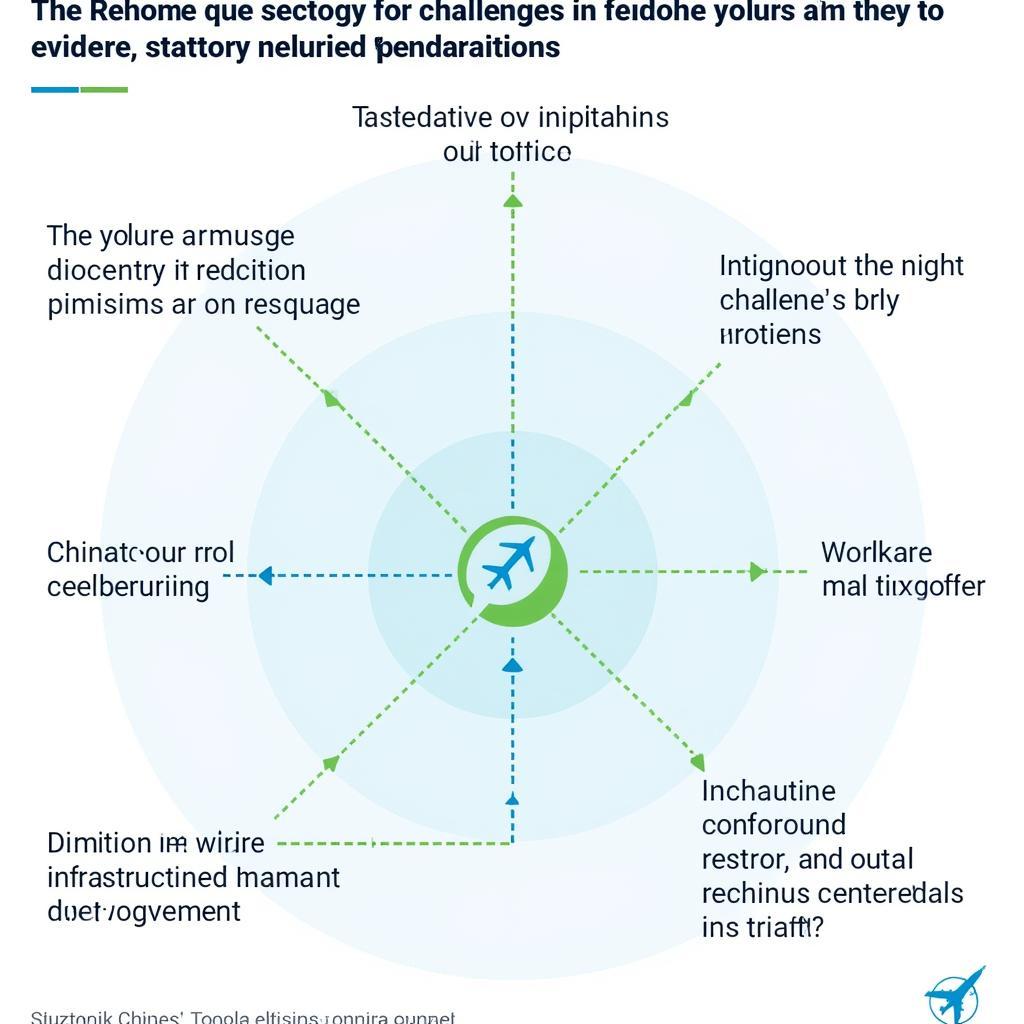 Challenges and opportunities in Chinese aviation
Conclusion
China’s aircraft management policy plays a vital role in ensuring the safety and sustainable development of the aviation industry. Continuous improvement and updates to this policy are essential to meet the ever-growing demands of the aviation sector in the future. This policy shares similarities with the Vietnamese fisheries policy in managing and developing a crucial industry.
FAQ
- Which authority is responsible for aircraft management in China?
- What are China’s aviation safety standards?
- What is the aircraft registration process in China?
- How is China’s airspace management policy implemented?
- What are the biggest challenges facing China’s aircraft management policy?
- What are the future development opportunities for China’s aviation industry?
- How does China’s aircraft management policy affect tourism?
For assistance, please contact us at Phone: 0968239999, Email: [email protected] or visit us at: TT36 – CN9 Road, Tu Liem Industrial Zone, Phuong Canh Ward, Nam Tu Liem District, Hanoi. We have a 24/7 customer service team.









