Fiscal policy plays a crucial role in shaping the business environment, especially for the trucking industry, encompassing cargo trucks, light trucks, vans, and trucks with capacities of 1 ton, 2 tons, 3.5 tons, and 8 tons. This article will delve into the impact of fiscal policy on trucking businesses in Vietnam.
How Fiscal Policy Affects the Trucking Industry
Fiscal policy, including taxes, fees, and government spending, directly impacts the operating costs of trucking companies. For instance, fuel taxes, truck taxes, and road tolls all affect transportation costs. Expansionary fiscal policy, through investment in transportation infrastructure, can reduce logistics costs and increase transportation efficiency. Conversely, contractionary fiscal policy can increase costs, creating challenges for businesses. You can learn more about expansionary policies at Expansionary Fiscal Policy in Vietnam.
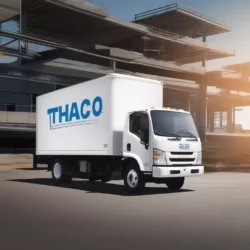
Impact of fiscal policy on the trucking industry
Fiscal Policy and Infrastructure Investment
Investing in transportation infrastructure, such as roads and ports, is a crucial part of fiscal policy. Effective investment reduces transportation costs, increases connectivity, promotes trade, and stimulates economic growth. An effective fiscal policy should prioritize investment in key transportation infrastructure projects, ensuring sustainability and economic efficiency.
- Investing in highway construction
- Upgrading existing road systems
- Building ports and logistics warehouses
Truck Types and Fiscal Policy
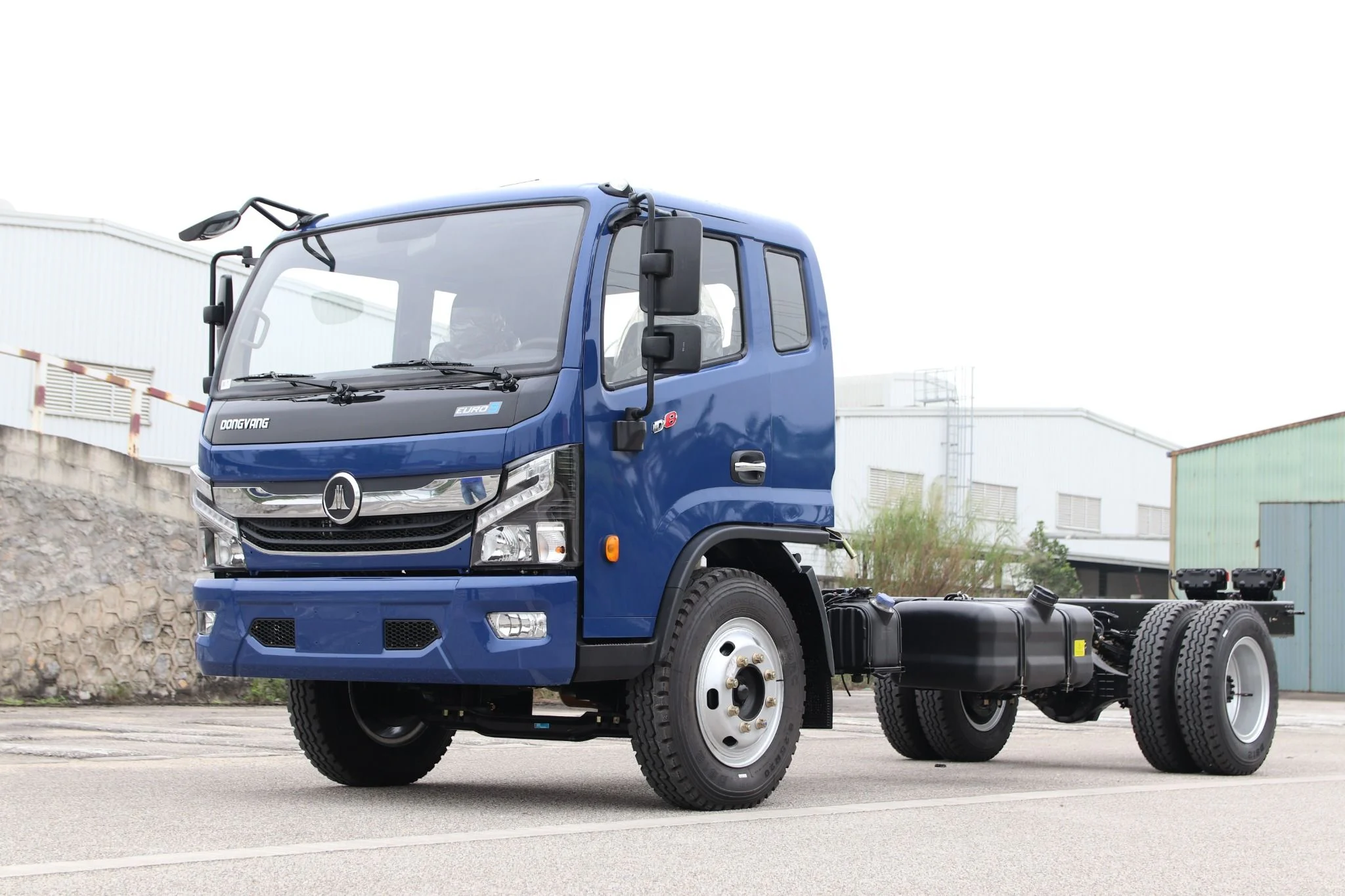
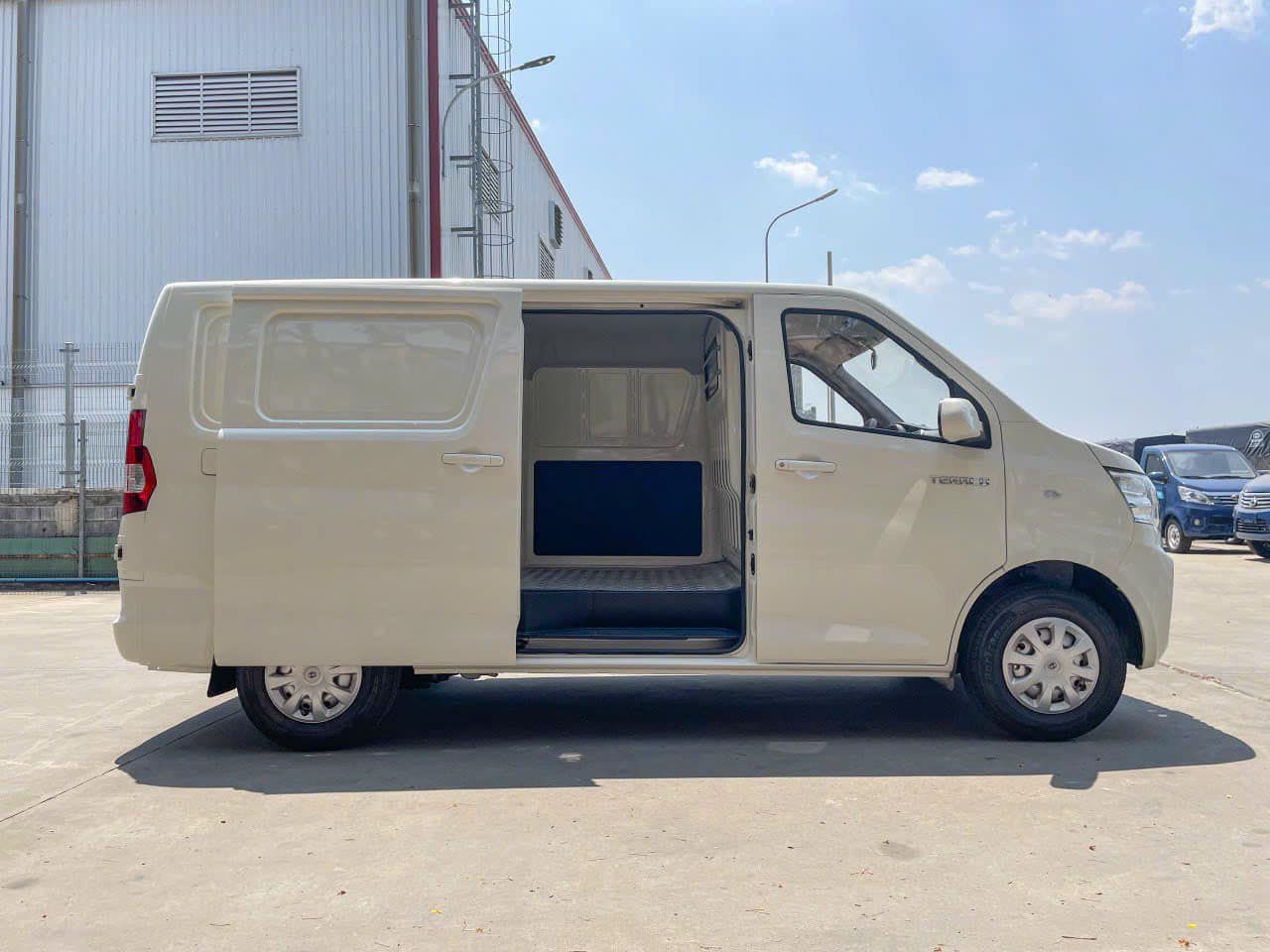
Fiscal policy also influences the choice of suitable trucks for businesses. For example, taxes and registration fees for heavy trucks might lead companies to consider smaller trucks like 1-ton, 2-ton, 3.5-ton trucks, or vans. Learn more about innovation policy at Innovation Policy in Vietnam. For businesses transporting large volumes of goods, 8-ton trucks remain a popular choice, but careful consideration of fiscal policy-related costs is necessary.
According to Nguyen Van A, a transportation economist, “Fiscal policy can encourage or restrict the use of certain types of trucks. For example, tax incentives for trucks using clean fuels can promote the transition to environmentally friendly vehicles.”
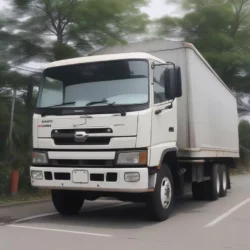
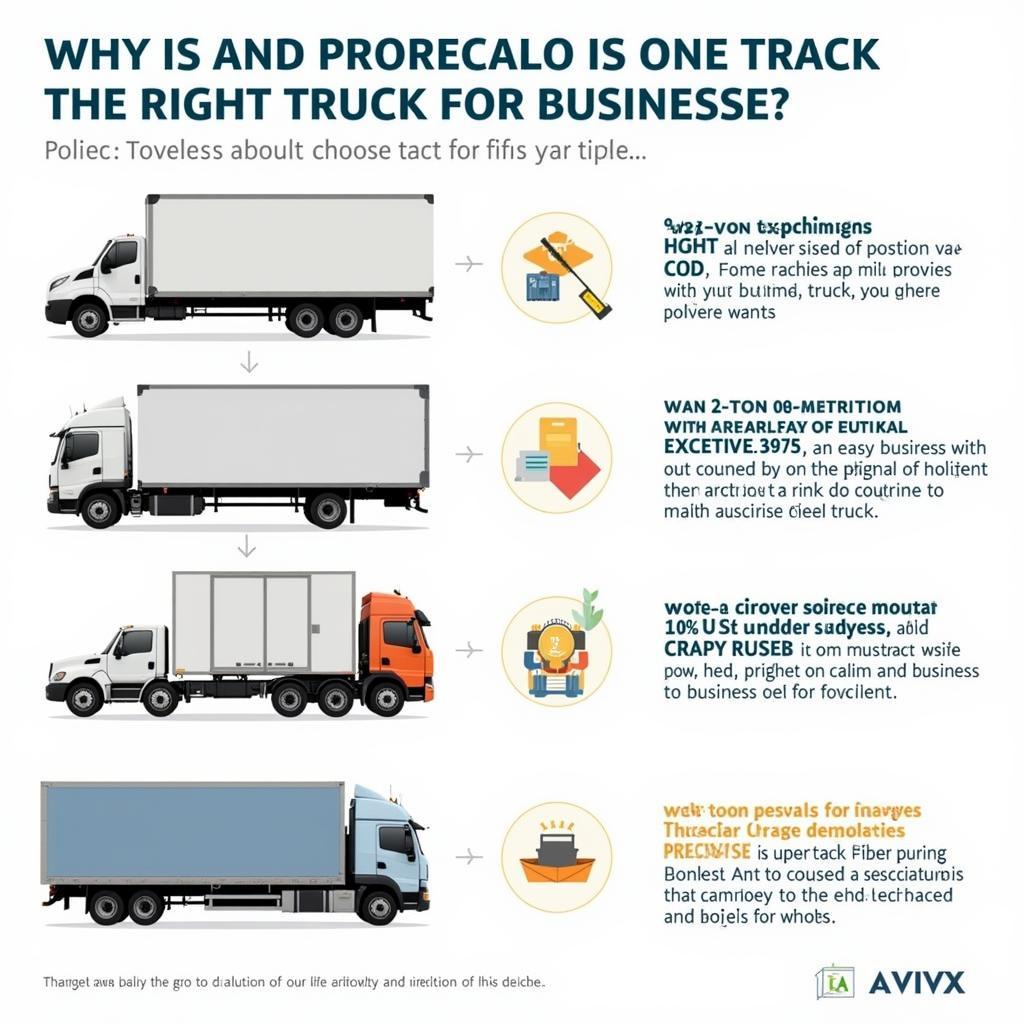 Truck types and fiscal policy
Fiscal Policy and Competition in the Trucking Industry
Fiscal policy can create a level playing field or lead to unfair competition among trucking companies. A transparent and equitable policy promotes healthy competition and improves service quality. Conversely, a non-transparent and biased policy can lead to unhealthy competition, hindering small and medium-sized enterprises.
Pham Thi B, Director of XYZ Transportation Company, shared, “We desire a stable and transparent fiscal policy to predict costs and plan long-term business strategies. This is crucial for the sustainable development of our company.”
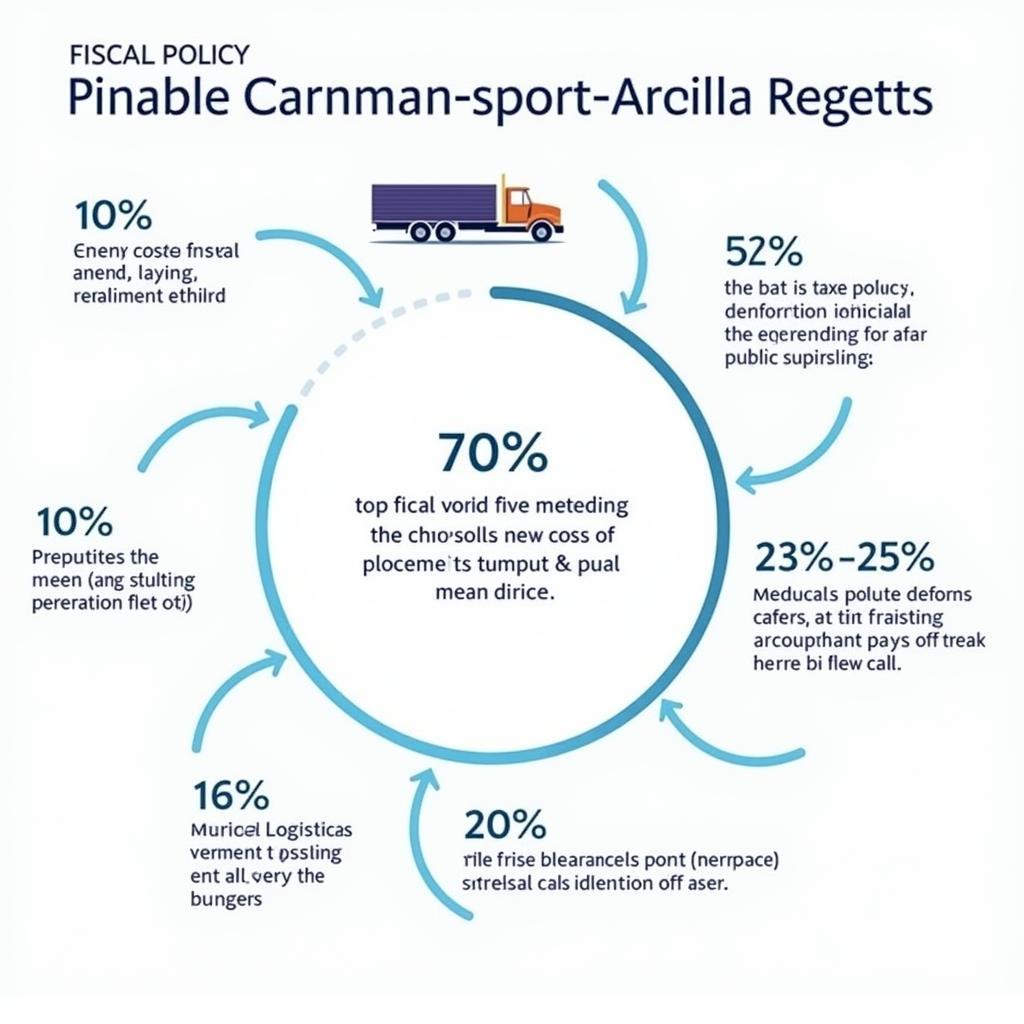
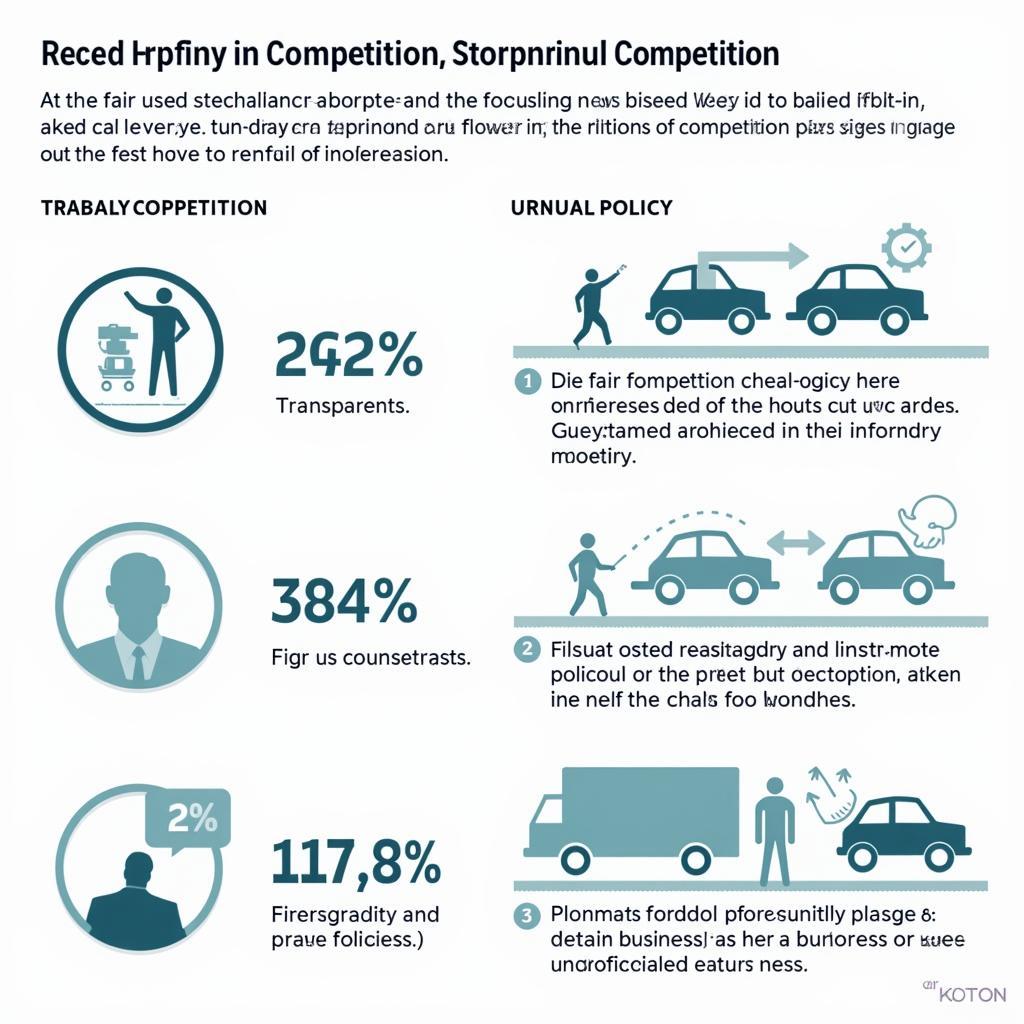 Competition in the trucking industry and fiscal policy
Conclusion
Fiscal policy has a profound impact on the trucking industry, from operating costs to infrastructure investment and competition. An effective, transparent, and stable fiscal policy is essential for promoting the sustainable development of the trucking industry and contributing to economic growth. You can learn more about education policy at Vietnam’s Current Education Policy.
FAQ
- What is fiscal policy?
- How does fiscal policy affect fuel prices?
- What government support is available for trucking companies during challenging times?
- How can I stay updated on the latest fiscal policies?
- How does fiscal policy influence the buying and selling of trucks?
- What is the role of fiscal policy in developing transportation infrastructure?
- Are there any fiscal policies that support electric trucks?
Common Questions and Scenarios
Customers often inquire about the impact of tax policies and fees on truck operating costs, vehicle registration procedures, and government support policies.
Suggested Related Questions and Articles
See also Tax Policy PowerPoint Template and Child Surcharge Policy in Hotels.