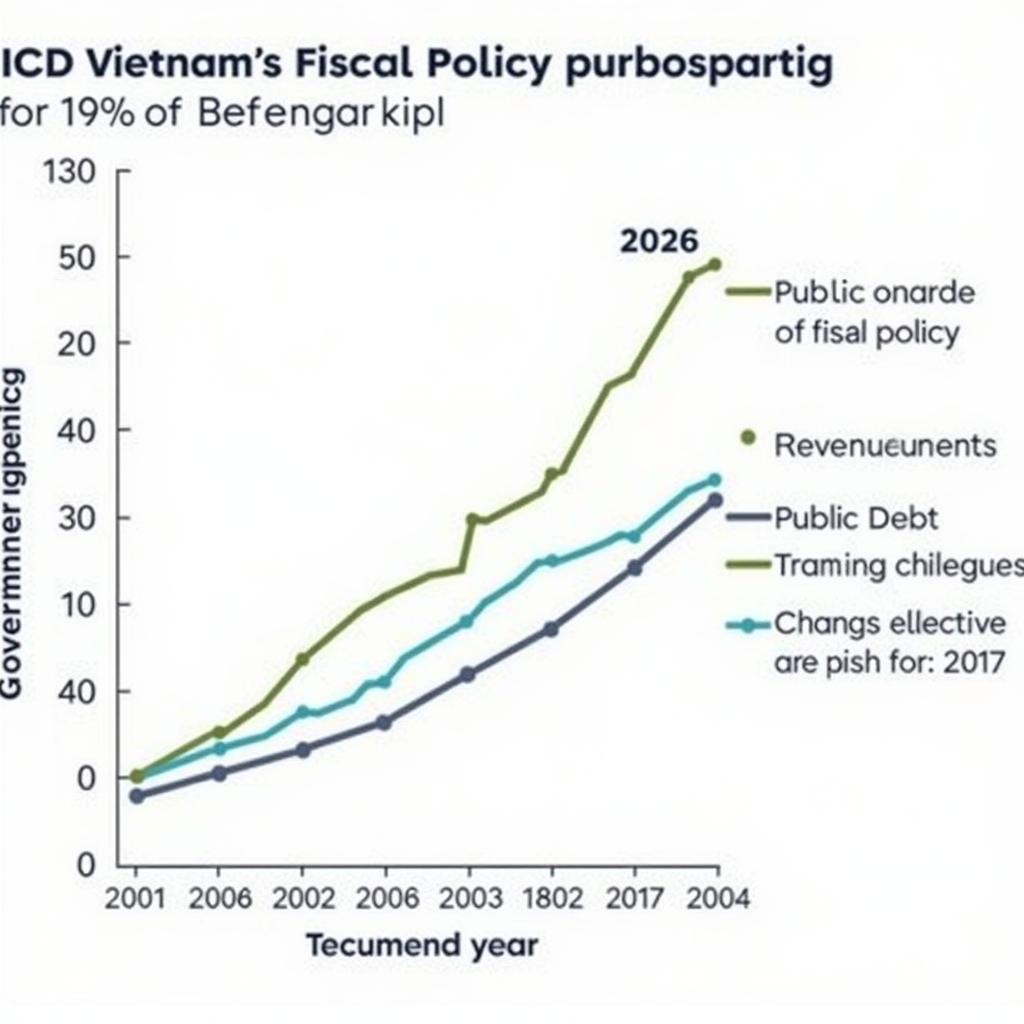
Vietnam’s fiscal policy in 2017 focused on macroeconomic stability, inflation control, and sustainable economic growth. The government implemented various measures to improve the investment and business environment, support businesses, and enhance the efficiency of state budget management.
Overview of Vietnam’s Fiscal Policy in 2017
The 2017 fiscal policy was formulated against a backdrop of numerous domestic and global economic challenges. The government prioritized controlling public spending, increasing budget revenue, and promoting administrative reforms to facilitate economic development. The implementation of the 2017 fiscal policy played a crucial role in maintaining macroeconomic stability and laying the foundation for economic growth in subsequent years. Learn more about startup support policies.
Overview of Vietnam's fiscal policy in 2017
Key Measures in the 2017 Fiscal Policy
Key measures in Vietnam’s 2017 fiscal policy included: adjusting tax rates on certain goods, strengthening tax administration, combating tax evasion, saving public spending, and prioritizing investment in key sectors such as education, healthcare, and science and technology. These measures aimed to ensure a balanced state budget and stimulate economic growth. Find out more about Traphaco’s policies in 2017.
State Budget Revenue Management
The government strengthened state budget revenue management, combating tax evasion and expanding the tax base. This helped increase revenue for the state budget, ensuring resources for public spending and development investment. You can refer to the draft policy template for a better understanding of the policy-making process.
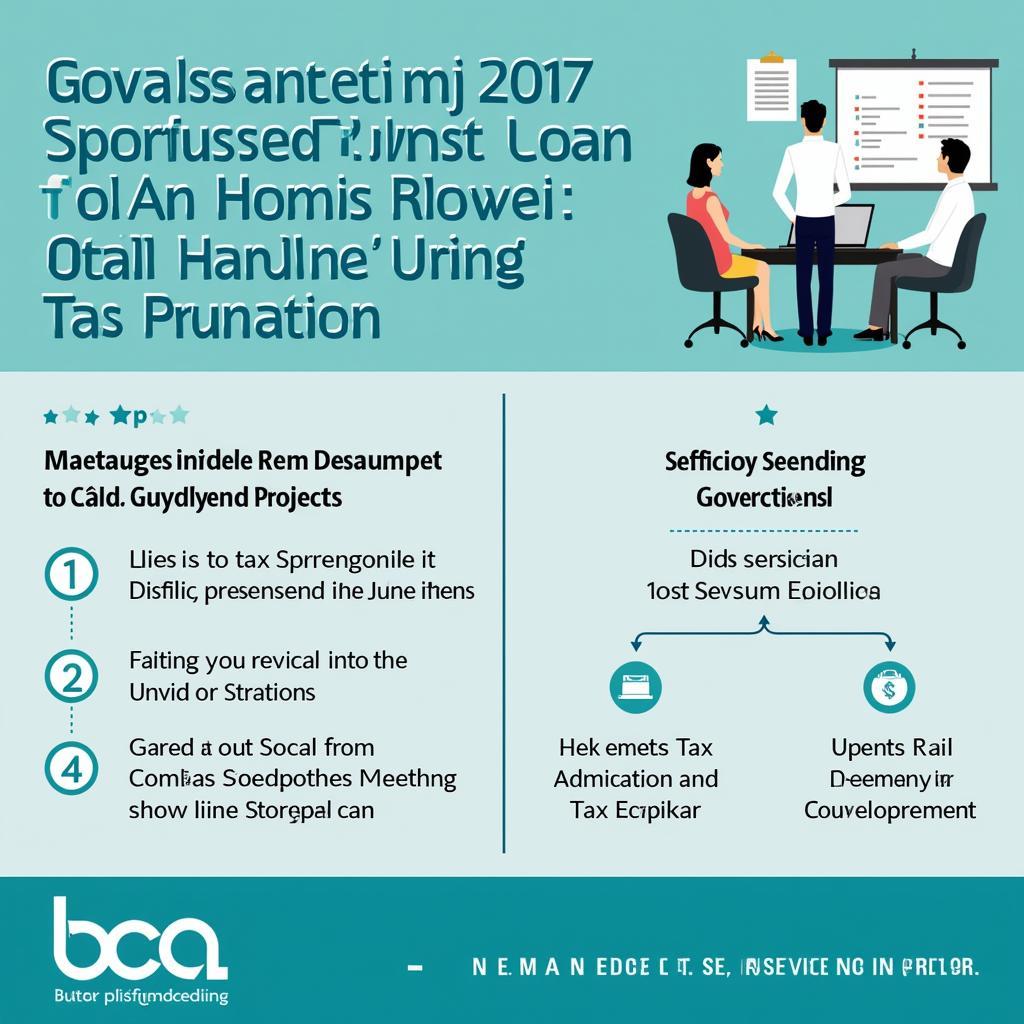 State budget revenue management in 2017
Public Spending Control
Public spending was strictly controlled, with savings in recurrent expenditures and prioritization of investment in key areas. This helped improve the efficiency of state budget utilization and focus resources on critical sectors, contributing to sustainable economic growth. Learn more about dealer training policies.
Prioritizing Development Investment
The government prioritized investment in key sectors such as education, healthcare, science and technology, and transportation infrastructure. This aimed to create a solid foundation for socio-economic development and improve the quality of life for citizens. Nuclear policy was also a focus; see more on Vietnam’s nuclear policy.
 Prioritizing development investment in 2017
Conclusion
Vietnam’s fiscal policy in 2017 contributed positively to macroeconomic stability, inflation control, and economic growth. Effective implementation of fiscal policy is crucial for ensuring the country’s sustainable development.
For support, please contact us by phone: 0968239999, Email: [email protected] or visit us at: TT36 – CN9 Road, Tu Liem Industrial Zone, Phuong Canh Ward, Nam Tu Liem District, Hanoi. We have a 24/7 customer service team.









